

Logo
  • Balcony Law
  • About us
  • Inspection services
  • FAQ
  • Blog
  • Call us ‪+1 818-806-7885
  • Book now

Tag: hoa reserve study requirements

Preventative Maintenance vs Reactive Repairs for HOAs

Posted on September 21, 2026 by Apex Balcony admin
Preventative Maintenance vs Reactive Repairs for HOAs

Table of Contents

  • Preventative Maintenance vs Reactive Repairs: Core Differences
  • Financial Impact: Comparing Costs and Budget Implications
  • SB 326 Balcony Inspection Compliance and Proactive Planning
  • Deferred Maintenance Risks for HOAs and Liability Exposure
  • HOA Reserve Study Requirements and Long-Term Planning
  • Technology and Vendor Management for Maintenance Scheduling
  • Making the Transition: Building Your Preventative Strategy
  • Frequently Asked Questions

Last Updated: September 20, 2026

Preventative Maintenance vs Reactive Repairs: Core Differences

Understanding preventative maintenance vs reactive repairs comes down to timing and cost. Preventative maintenance involves scheduled inspections and planned repairs before problems become emergencies. Reactive repairs happen after something breaks, forcing you to scramble for emergency contractors and emergency labor at premium rates.

For HOAs managing multi-unit properties, this distinction matters enormously. A preventative maintenance approach identifies wear and tear early, before a balcony develops structural cracks or a roof leak damages multiple units. Reactive repair models wait until residents report problems or safety hazards emerge.

Apex Balcony has worked with hundreds of building owners who discovered too late that reactive repair strategies cost far more than proactive planning. The math is straightforward: catching a structural issue during a routine inspection costs a fraction of what an emergency repair costs when a component fails suddenly.

Consider the practical reality: a licensed inspector conducting a scheduled balcony inspection under SB 326 compliance can identify early signs of structural failure in elevated exterior elements. That early detection lets you plan repairs, budget properly, and avoid the chaos of emergency service calls. Without that proactive step, you’re betting that nothing will fail until you have time to address it.

Key Takeaway
Preventative maintenance catches problems early through scheduled inspections. Reactive repairs address failures after they occur, typically at higher cost and greater risk to residents.

Financial Impact: Comparing Costs and Budget Implications

The financial case for preventative maintenance is compelling. What property managers consistently report is that emergency repairs cost significantly more than scheduled maintenance.

Emergency labor commands premium pricing. When a contractor must mobilize crews on short notice, drop other jobs, or work outside normal hours, those costs accumulate fast. A repair that might cost a certain amount on a planned schedule can double or triple when it becomes an emergency.

Preventative maintenance also protects your reserve fund. A well-maintained reserve study, which documents the condition of capital assets and projects long-term funding needs, allows your board to budget for component replacement systematically. Without that planning, major repairs hit the reserve fund unpredictably, sometimes forcing special assessments on residents.

Consider the ripple effects: emergency repairs often cause property damage during the work itself. Scaffolding, temporary barriers, and urgent structural work can damage landscaping, parking areas, or resident access. Planned maintenance lets you coordinate work, minimize disruption, and protect surrounding property.

The transition to preventative maintenance requires upfront investment in inspections and planning. But that investment prevents the far costlier scenario of deferred maintenance accumulating until system failure forces reactive, expensive repairs.

Maintenance TypeCost ProfilePredictabilityImpact on Reserve Fund
PreventativePlanned, distributed over timeBudgetableManageable, scheduled funding
ReactiveEmergency rates, concentratedUnpredictableSudden drain, special assessments

SB 326 Balcony Inspection Compliance and Proactive Planning

California’s SB 326 requires apartment buildings with three or more units to conduct structural inspections of balconies, decks, and exterior stairs. This law exists because reactive repair models have failed to prevent balcony collapses that injured and killed residents.

The Malibu balcony collapse in May 2021 and the Berkeley incident in 2015 that killed six people underscore why proactive structural oversight matters. These weren’t isolated failures, they were the predictable result of deferred maintenance and reactive repair approaches that waited until catastrophic failure.

SB 326 compliance mandates that building owners conduct inspections by licensed professionals every six years. The law essentially forces a shift from purely reactive repairs toward at least periodic preventative assessment. But many property owners treat SB 326 inspections as a box-checking exercise rather than the foundation of a preventative maintenance strategy.

The compliance inspection identifies structural issues in elevated exterior elements. From there, your board can plan repairs systematically, budget appropriately, and avoid the liability exposure of ignoring known hazards. This is preventative maintenance in its most concrete form: scheduled professional assessment leading to planned remediation.

Properties that integrate SB 326 inspections into a broader preventative maintenance framework gain a significant advantage. They know what needs fixing, when, and at what cost. Reactive repair models leave that information gap open, risking both resident safety and board liability.

Watch Out
Delaying SB 326 compliance inspections doesn’t reduce costs, it increases liability. Each month of deferred inspection is a month your board knew or should have known about potential structural hazards. That exposure compounds if an incident occurs.

Deferred Maintenance Risks for HOAs and Liability Exposure

Deferred maintenance is the deliberate or inadvertent postponement of necessary repairs. For HOAs, it creates compounding liability and financial risk.

When a board defers maintenance on capital assets, balconies, roofs, mechanical equipment, stairways, those components continue to deteriorate. A small crack becomes structural failure. A minor leak becomes water damage and mold. The longer the deferral, the more expensive the eventual repair and the greater the risk of asset downtime, resident injury, or property damage.

Board members have a fiduciary duty to the community. That duty includes maintaining common property in safe, functional condition. Knowingly deferring maintenance on critical structural elements, especially elevated exterior elements like balconies, exposes the board to liability claims if an incident occurs.

Consider the legal exposure: if a resident is injured on a balcony that failed due to known, deferred maintenance, the board’s liability extends beyond repair costs to personal injury claims, legal fees, and potential punitive damages. Insurance may not cover incidents resulting from negligent maintenance decisions.

Book inspection →

Deferred maintenance also affects property value and curb appeal. Properties with visible signs of neglect, cracked balconies, deteriorating decks, failing mechanical equipment, lose market value. Prospective buyers and renters assess property condition, and deferred maintenance signals poor management.

The reactive repair model, by definition, accepts deferred maintenance until failure forces action. Preventative maintenance eliminates that risk by addressing wear and tear before it becomes dangerous or expensive.

HOA Reserve Study Requirements and Long-Term Planning

A reserve study is a professional assessment of your property’s capital assets, their remaining useful life, and the funding required to replace or repair them over time. For HOAs, it’s the foundation of any preventative maintenance strategy.

Reserve studies document the condition of mechanical equipment, roofing systems, structural components, and other major assets. They project when each component will need replacement and estimate the cost. From that data, your board calculates how much to fund annually in reserves to cover planned replacements without special assessments.

The reserve study transforms maintenance planning from guesswork to data-driven budgeting. Instead of hoping nothing major fails before you have money set aside, you know exactly what’s coming and when. That knowledge enables preventative maintenance scheduling, vendor coordination, and resident communication.

A comprehensive reserve study also identifies deferred maintenance, repairs already overdue. This gives your board a baseline understanding of the backlog and a roadmap for addressing it systematically through preventative repairs rather than emergency interventions.

Many HOAs treat reserve studies as periodic compliance documents rather than active planning tools. The most effective boards integrate reserve study findings into their maintenance schedule, use the data to prioritize repairs, and adjust reserve funding based on updated assessments.

The reserve study is also critical for board transparency. When you can show residents that maintenance spending aligns with a professional assessment of asset lifecycle, special assessments feel justified rather than arbitrary.

Technology and Vendor Management for Maintenance Scheduling

Managing preventative maintenance at scale requires coordination across inspections, repairs, vendor relationships, and budget tracking. Software platforms designed for property management can centralize this work.

Apex Balcony focuses specifically on the structural inspection component critical to preventative maintenance in California properties. Our licensed inspectors conduct comprehensive assessments of balconies, decks, and stairways under SB 326 and SB 721 compliance standards, identifying early signs of structural failure before they become emergencies. That inspection data becomes the foundation for preventative repair planning.
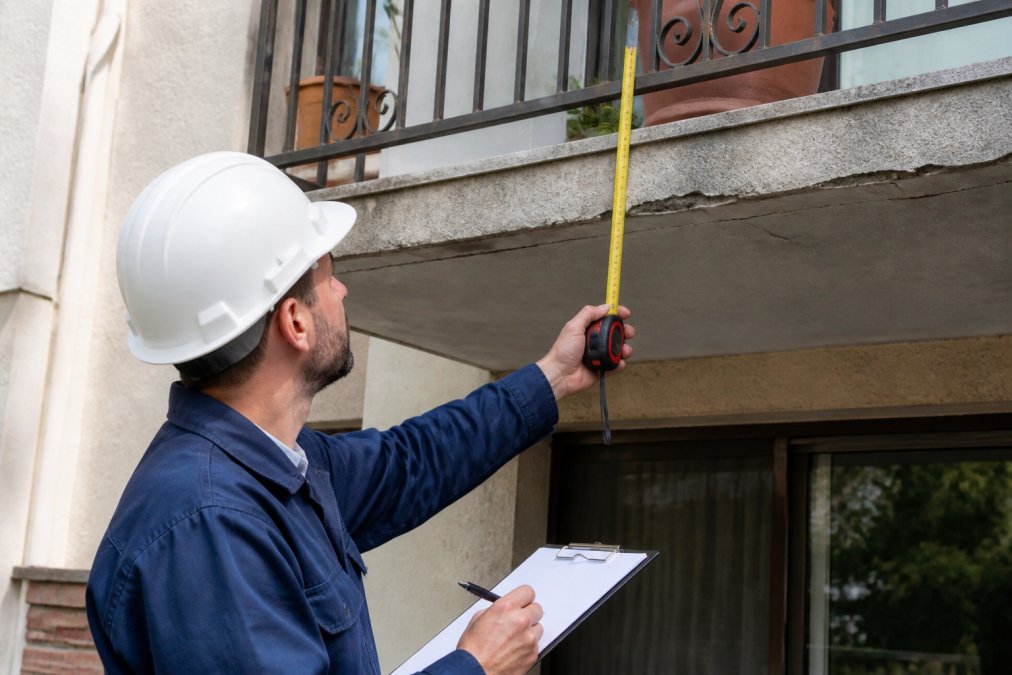
Licensed building inspector conducting detailed structural examination of residential building balcony using measurement tools and taking notes on clipboard

Making the Transition: Building Your Preventative Strategy

Shifting from reactive to preventative maintenance requires deliberate planning and board commitment. Most HOAs don’t make this transition overnight, it’s a gradual shift in mindset and practice.

Start with a baseline assessment. Commission a professional reserve study if you don’t have one, or update an existing study if it’s more than three years old. The reserve study tells you what capital assets need attention, their condition, and the timeline for repairs. This data becomes your preventative maintenance roadmap.

Next, establish a maintenance schedule based on the reserve study and any mandatory compliance requirements like SB 326 inspections. Schedule routine inspections for mechanical equipment, roofing, structural elements, and other major systems on a predictable cycle. Communicate that schedule to residents so they understand that inspections and planned repairs are normal, not signs of crisis.

Allocate budget for preventative maintenance in your annual operating budget and reserve fund contributions. This signals to residents that maintenance is a planned expense, not an emergency drain on reserves.

Pro Tip
Start small if you’re early in the preventative transition. Schedule inspections for your highest-risk assets first, balconies and elevated exterior elements in California properties, roofing in older buildings, mechanical systems nearing end of life. Build momentum with early wins before tackling a full preventative overhaul.

Frequently Asked Questions

What is the difference between preventative maintenance and reactive maintenance for HOAs?

Preventative maintenance involves scheduled inspections, routine repairs, and planned component replacements before failure occurs. Reactive maintenance responds to problems only after they develop, often requiring emergency labor and expedited parts. Preventative approaches reduce downtime and emergency costs, while reactive strategies often incur higher costs due to secondary damage, system failures, and operational disruptions.

How does SB 326 balcony inspection compliance affect HOA maintenance planning?

SB 326 requires California HOAs to conduct visual inspections of balconies and elevated exterior elements on a set schedule. These mandatory inspections identify structural issues early, preventing catastrophic failures and liability. Integrating SB 326 compliance into your preventative maintenance plan ensures you address issues identified during inspections before they become emergencies, protecting both residents and your reserve fund.

What are the main risks of deferred maintenance for HOAs?

Deferred maintenance risks include accelerated component wear and tear, sudden system failures requiring costly emergency repairs, increased liability exposure if injuries occur, potential special assessments to cover unexpected costs, and diminished property values and curb appeal. Board members also face fiduciary duty violations if deferred maintenance is deemed negligent, exposing the association to legal action.

How much more expensive is reactive maintenance compared to preventative maintenance?

Reactive repairs often address secondary damage caused by delayed intervention. A single emergency balcony repair can cost significantly more than regular inspections that identify issues early, making preventative strategies far more cost-effective for long-term asset management.
Book inspection

Posted in BlogTagged hoa reserve study requirements, preventative maintenance vs reactive repairs, preventative maintenance vs reactive repairs for hoas, sb 326 balcony inspection compliance

HOA Requirements in 2026: What Boards Need to Know

Posted on September 20, 2026 by Apex Balcony admin
HOA Requirements in 2026: What Boards Need to Know

Table of Contents

  • What’s Changing for HOAs in 2026
  • SB 326 Balcony Inspection Requirements and Timelines
  • HOA Fine Limitations and Enforcement Changes
  • Mandatory Balcony and Elevated Element Inspections
  • HOA Reserve Study Requirements for Financial Planning
  • Open Board Meeting Requirements and Member Voting
  • How to Prepare Your Board for 2026 Compliance
  • Frequently Asked Questions

Last Updated: September 19, 2026

What’s Changing for HOAs in 2026

Understanding HOA requirements 2026 is critical, as California’s new regulations bring significant compliance obligations that reshape how associations operate, enforce rules, and maintain properties.

Boards that don’t adapt face legal liability, member disputes, and fines. We’ve worked with hundreds of building owners, boards that get ahead of compliance protect their communities and avoid costly emergency repairs.

The biggest changes center on three areas: SB 326 balcony inspections, stricter fine limits and enforcement procedures, and mandatory reserve funding studies. Understanding which requirements apply to your property is the essential first step.

SB 326 Balcony Inspection Requirements and Timelines

SB 326 mandates comprehensive inspections of elevated exterior elements, balconies, decks, stairs, and similar structures, in residential buildings with three or more units. The statute created a hard deadline structure that boards cannot ignore.

Buildings constructed before January 1, 2008 face the tightest timeline. These properties must complete initial inspections by January 1, 2025, with follow-up inspections every nine years. If your building missed that 2025 deadline, you’re now in violation, and the board faces immediate compliance obligations. Buildings constructed between January 1, 2008 and December 31, 2013 have until January 1, 2029 for their initial inspection, followed by nine-year cycles. Newer construction (post-2013) must have inspections by January 1, 2030.

The inspection itself isn’t optional documentation, it requires a licensed structural engineer or architect. These professionals assess the structural integrity of every elevated element, identifying water intrusion, concrete deterioration, fastener corrosion, and load-bearing failures. The inspector produces a detailed written report that becomes part of your permanent records. This report drives your reserve study and repair timeline.

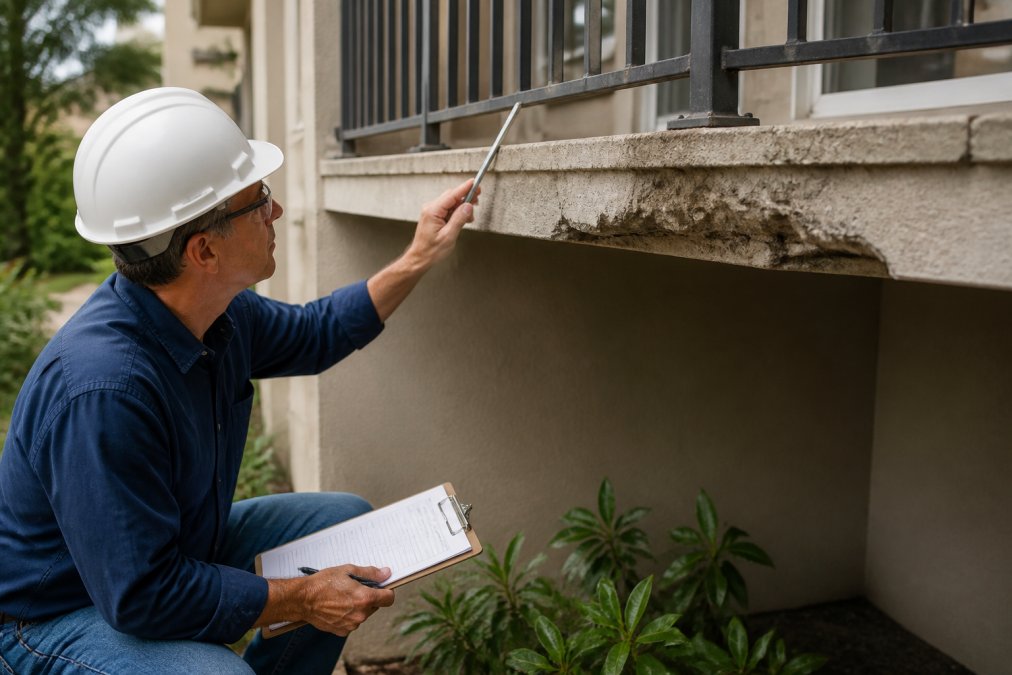
Licensed structural engineer examining residential balcony structure, checking concrete deterioration and railing connections with inspection clipboard and measuring tools visible

The inspection reveals existing problems before they become catastrophic failures. A balcony collapse results from years of undetected water damage and structural degradation. The inspection gives you time to plan repairs and budget systematically.

HOA Fine Limitations and Enforcement Changes

California law restricts how aggressively boards can fine residents through strict caps and procedural requirements that make enforcement slower but create specific dispute scenarios.

Fine Caps and Their Real-World Impact

Late fees cannot exceed 10% of the delinquent amount or $10, whichever is greater. This is often insufficient to offset collection costs on persistent delinquencies, so boards must rely on assessment liens and judicial collection.

Architectural violation fines are capped at $100 per day, with a maximum of $1,000 per violation. Boards cannot impose a single massive fine; they must document repeated violations, provide notice, and allow cure periods. A homeowner with an unapproved paint color for 30 days faces a maximum fine of $3,000, not a single $5,000 penalty.

The Mandatory Enforcement Procedure

The enforcement process itself requires multiple sequential steps that boards cannot compress or skip:

  1. Written Notice of Violation: The board must provide written notice describing the specific violation, the rule or regulation violated, and the deadline to cure (typically 30 days). This notice must be delivered via personal service, certified mail, or email if the homeowner has consented to electronic notice.

  2. Cure Period: The homeowner has the statutory right to cure the violation within the specified timeframe. The board cannot impose a fine during this period, even if the violation continues.

  3. Hearing Right: If the homeowner requests a hearing before the fine is imposed, the board must hold one. This hearing is not optional; denying a hearing request invalidates any subsequent fine. The hearing must occur before a neutral decision-maker (often a hearing officer or panel of board members not involved in the violation determination).

  4. Fine Imposition: Only after the cure period expires and (if applicable) a hearing is held can the board impose a fine. The fine must be documented in writing with the date it takes effect.

This process typically takes 60-90 days from initial notice to fine imposition. Boards that rush enforcement without following these procedural requirements risk having fines overturned and facing legal liability for improper collection attempts.

If a board imposes a fine exceeding statutory caps or skips procedural steps, homeowners can challenge the fine in writing, request alternative dispute resolution, file a complaint with the Department of Consumer Affairs, or sue for violation of statutory duties. Courts have consistently ruled that statutory fine caps are mandatory, and boards that exceed them are liable for damages.

Assessment Liens Remain the Board’s Most Effective Tool

While fine caps have been tightened, assessment liens remain the board’s most powerful collection mechanism. When a resident falls behind on assessments, the board can place a lien on the property. This lien doesn’t force immediate payment, but it prevents the owner from refinancing or selling without satisfying the debt. Many delinquencies resolve when owners attempt to refinance or sell and discover the lien.

Liens are not subject to the same fine caps as violation fines. A lien can accrue interest and collection costs, making it a more effective enforcement tool than daily violation fines. However, the board must follow proper notice and procedural requirements to place a lien, and homeowners have the right to challenge improper liens in court.

Book inspection →

Frequent disputes arise over parking, architectural changes, and pet violations. Boards must define what constitutes a single violation versus repeated violations in their enforcement policy. Boards that document violations with photographs, dates, and witness statements are far more likely to prevail in disputes. Specific violation notices create a clear record; vague notices are difficult to defend.

Boards must shift from punitive fines to systematic documentation and liens. Boards that document violations carefully, follow procedural requirements precisely, and use assessment liens are far more effective at enforcing rules and collecting assessments.

Mandatory Balcony and Elevated Element Inspections

SB 326 requires inspections of all elevated exterior elements, balconies, decks, stairs, walkways, by licensed professionals. The inspection report becomes the foundation for reserve study and repair planning, identifying elements requiring immediate repair, repair within 5 years, or monitoring. Informal assessments don’t satisfy the statute; boards that attempt to work around this requirement expose themselves to liability.

HOA Reserve Study Requirements for Financial Planning

Reserve studies must be updated every three years by a professional and must address SB 326 inspection findings. The reserve funding percentage is a disclosure requirement, not a recommendation. Boards must report to members what percentage of full funding the reserve account maintains. Underfunded reserves create cascading problems; boards that maintain adequate reserves avoid crises.

Open Board Meeting Requirements and Member Voting

Board meetings must be open to all members unless the board votes to enter executive session for litigation, contract negotiations, member discipline, or personnel matters. Boards must provide written notice at least four days in advance with date, time, location, and agenda items. General business discussions must occur in open session. Voting requires proper quorum and notice; votes without proper notice or quorum can be overturned.

How to Prepare Your Board for 2026 Compliance

Compliance requires systematic preparation and documented procedures. The following framework provides a step-by-step implementation roadmap.

Phase 1: Audit Your Current Status (Weeks 1-2)

Begin with a comprehensive audit of your association’s compliance position. Determine which SB 326 deadline applies to your building under the HOA requirements 2026: pre-2008 construction (deadline passed; schedule immediately), 2008-2013 construction (deadline January 1, 2029), or post-2013 construction (deadline January 1, 2030). If you’ve completed an inspection, verify the date and confirm your next inspection is scheduled.

Determine when your last reserve study was completed; if more than three years ago, schedule an update.

Phase 4: Member Communication and Training (Weeks 7-12)

Board Member Training: Conduct a compliance training session at the start of each board year. Cover:

  • SB 326 inspection requirements and timelines
  • Fine caps and enforcement procedures
  • Open meeting requirements and executive session rules
  • Reserve funding disclosure requirements
  • Member rights and dispute resolution procedures

Member Communication: Send a letter to all members explaining the 2026 compliance requirements and how they affect the community. Specifically address:

  • The SB 326 inspection schedule and what members can expect
  • Changes to fine procedures and enforcement timelines
  • Reserve funding updates and any planned assessment increases
  • Member rights to attend board meetings and request hearings

This communication reduces member anxiety and demonstrates board transparency.

Phase 5: Implement and Monitor (Ongoing)

Establish a Compliance Calendar: Create a calendar that tracks:

  • SB 326 inspection dates and follow-up inspection due dates
  • Reserve study update due dates
  • Board meeting notice deadlines
  • Member communication deadlines

Document All Enforcement Actions: When the board takes enforcement action, document every step:

  • Date and method of violation notice
  • Cure period offered
  • Whether a hearing was requested and held
  • Hearing outcome
  • Fine amount and date imposed
  • Payment status

Implementation Timeline Summary

  • Weeks 1-2: Complete compliance audit
  • Weeks 3-6: Update governing documents and policies
  • Weeks 4-8: Schedule professional services (inspections, reserve study, legal review)
  • Weeks 7-12: Conduct member and board member communication and training
  • Ongoing: Implement procedures, document actions, monitor compliance calendar

Frequently Asked Questions

Which HOA requirements apply to my building, SB 326 or SB 721?

SB 326 applies to common interest developments (HOAs) with elevated exterior elements built before January 1, 2008. SB 721 covers apartment buildings with three or more units. Most HOA-governed properties fall under SB 326. Check your CC&Rs and building documentation, or contact a compliance professional to confirm which statute governs your property without committing to services upfront.

What happens if we don’t complete SB 326 balcony inspections by the deadline?

Failure to conduct mandatory inspections under SB 326 exposes your HOA to civil liability, potential fines, and legal action from residents. If structural failure occurs and injuries result, the association faces significant liability. Additionally, properties may be unable to sell or refinance without proof of inspection compliance. The Davis-Stirling Common Interest Development Act requires boards to fulfill their fiduciary duty to members.

How much can an HOA fine residents in 2026?

California’s new fine limitations restrict HOAs from imposing excessive penalties. Fines must be proportional to the violation and cannot exceed amounts specified in your governing documents and state law. Boards must provide notice, opportunity to be heard, and alternative dispute resolution before enforcement. Late fees are also restricted. Check your CC&Rs and recent statutory updates for exact limits, as they vary by violation type.

What should our board include in the reserve study for 2026?

HOA reserve studies must document the condition and remaining useful life of all major components, including elevated elements like balconies and decks. The study should project funding needs for repairs and replacements over the next 30 years and recommend reserve contribution levels. This protects the association from unexpected special assessments and demonstrates financial transparency to members. Professional reserve studies help boards make informed budgeting decisions.

Book inspection

Posted in BlogTagged hoa fine limitations, hoa requirements 2026, hoa reserve study requirements, sb 326 balcony inspection requirements

Recent Posts

  • Balcony Waterproofing and Structural Integrity
  • Cost of Balcony Structural Repairs in California
  • Hiring a Structural Engineer for Deck Safety: 2026 Guide
  • Balcony Maintenance Tips for California Homeowners
  • How to Choose a Structural Engineer for Home Renovation

Recent Comments

No comments to show.

Archives

  • October 2026
  • September 2026
  • August 2026
  • July 2026
  • June 2026

Categories

  • Blog
Logo
Created by Unilime.Group
  • Balcony Law
  • About us
  • Inspection services
  • FAQ
  • Blog

Call us ‪+1 818-806-7885‬
License: CSLB #1101305

Apex Balcony Inspection
‪+1 818-806-7885‬
[email protected]
4645 Van Nuys Blvd #201
Sherman Oaks CA 91403

Created by Unilime.Group