

Table of Contents
- Preventative Maintenance vs Reactive Repairs: Core Differences
- Financial Impact: Comparing Costs and Budget Implications
- SB 326 Balcony Inspection Compliance and Proactive Planning
- Deferred Maintenance Risks for HOAs and Liability Exposure
- HOA Reserve Study Requirements and Long-Term Planning
- Technology and Vendor Management for Maintenance Scheduling
- Making the Transition: Building Your Preventative Strategy
- Frequently Asked Questions
Last Updated: September 20, 2026
Preventative Maintenance vs Reactive Repairs: Core Differences
Understanding preventative maintenance vs reactive repairs comes down to timing and cost. Preventative maintenance involves scheduled inspections and planned repairs before problems become emergencies. Reactive repairs happen after something breaks, forcing you to scramble for emergency contractors and emergency labor at premium rates.
For HOAs managing multi-unit properties, this distinction matters enormously. A preventative maintenance approach identifies wear and tear early, before a balcony develops structural cracks or a roof leak damages multiple units. Reactive repair models wait until residents report problems or safety hazards emerge.
Apex Balcony has worked with hundreds of building owners who discovered too late that reactive repair strategies cost far more than proactive planning. The math is straightforward: catching a structural issue during a routine inspection costs a fraction of what an emergency repair costs when a component fails suddenly.
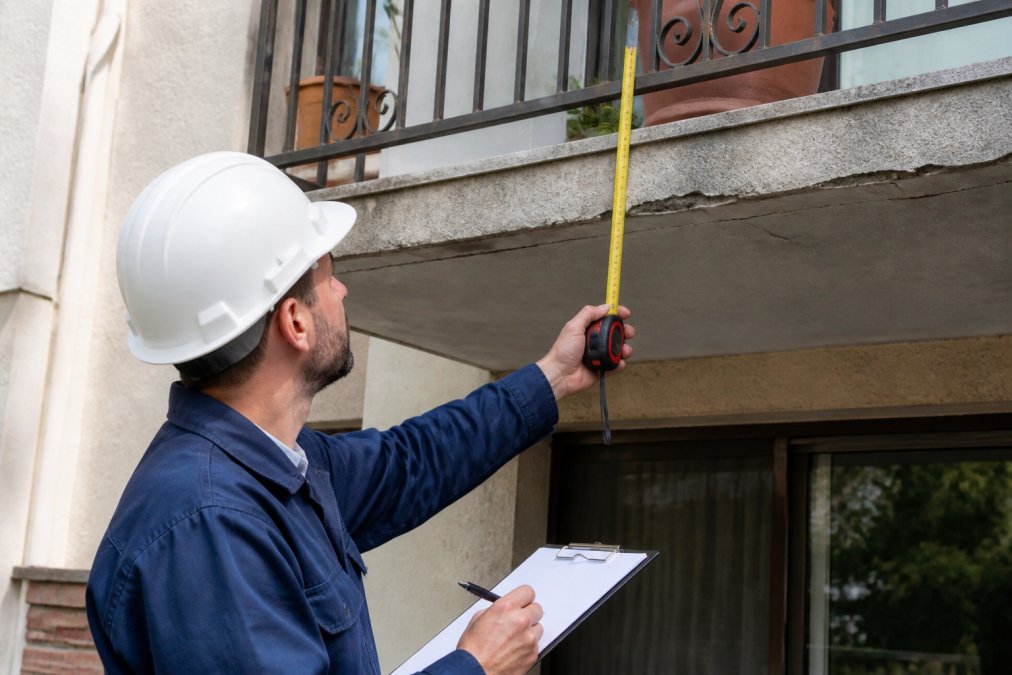
Consider the practical reality: a licensed inspector conducting a scheduled balcony inspection under SB 326 compliance can identify early signs of structural failure in elevated exterior elements. That early detection lets you plan repairs, budget properly, and avoid the chaos of emergency service calls. Without that proactive step, you’re betting that nothing will fail until you have time to address it.
Preventative maintenance catches problems early through scheduled inspections. Reactive repairs address failures after they occur, typically at higher cost and greater risk to residents.
Financial Impact: Comparing Costs and Budget Implications
The financial case for preventative maintenance is compelling. What property managers consistently report is that emergency repairs cost significantly more than scheduled maintenance.
Emergency labor commands premium pricing. When a contractor must mobilize crews on short notice, drop other jobs, or work outside normal hours, those costs accumulate fast. A repair that might cost a certain amount on a planned schedule can double or triple when it becomes an emergency.
Preventative maintenance also protects your reserve fund. A well-maintained reserve study, which documents the condition of capital assets and projects long-term funding needs, allows your board to budget for component replacement systematically. Without that planning, major repairs hit the reserve fund unpredictably, sometimes forcing special assessments on residents.
Consider the ripple effects: emergency repairs often cause property damage during the work itself. Scaffolding, temporary barriers, and urgent structural work can damage landscaping, parking areas, or resident access. Planned maintenance lets you coordinate work, minimize disruption, and protect surrounding property.
The transition to preventative maintenance requires upfront investment in inspections and planning. But that investment prevents the far costlier scenario of deferred maintenance accumulating until system failure forces reactive, expensive repairs.
| Maintenance Type | Cost Profile | Predictability | Impact on Reserve Fund |
|---|---|---|---|
| Preventative | Planned, distributed over time | Budgetable | Manageable, scheduled funding |
| Reactive | Emergency rates, concentrated | Unpredictable | Sudden drain, special assessments |
SB 326 Balcony Inspection Compliance and Proactive Planning
California’s SB 326 requires apartment buildings with three or more units to conduct structural inspections of balconies, decks, and exterior stairs. This law exists because reactive repair models have failed to prevent balcony collapses that injured and killed residents.
The Malibu balcony collapse in May 2021 and the Berkeley incident in 2015 that killed six people underscore why proactive structural oversight matters. These weren’t isolated failures, they were the predictable result of deferred maintenance and reactive repair approaches that waited until catastrophic failure.
SB 326 compliance mandates that building owners conduct inspections by licensed professionals every six years. The law essentially forces a shift from purely reactive repairs toward at least periodic preventative assessment. But many property owners treat SB 326 inspections as a box-checking exercise rather than the foundation of a preventative maintenance strategy.
The compliance inspection identifies structural issues in elevated exterior elements. From there, your board can plan repairs systematically, budget appropriately, and avoid the liability exposure of ignoring known hazards. This is preventative maintenance in its most concrete form: scheduled professional assessment leading to planned remediation.
Properties that integrate SB 326 inspections into a broader preventative maintenance framework gain a significant advantage. They know what needs fixing, when, and at what cost. Reactive repair models leave that information gap open, risking both resident safety and board liability.
Delaying SB 326 compliance inspections doesn’t reduce costs, it increases liability. Each month of deferred inspection is a month your board knew or should have known about potential structural hazards. That exposure compounds if an incident occurs.
Deferred Maintenance Risks for HOAs and Liability Exposure
Deferred maintenance is the deliberate or inadvertent postponement of necessary repairs. For HOAs, it creates compounding liability and financial risk.
When a board defers maintenance on capital assets, balconies, roofs, mechanical equipment, stairways, those components continue to deteriorate. A small crack becomes structural failure. A minor leak becomes water damage and mold. The longer the deferral, the more expensive the eventual repair and the greater the risk of asset downtime, resident injury, or property damage.
Board members have a fiduciary duty to the community. That duty includes maintaining common property in safe, functional condition. Knowingly deferring maintenance on critical structural elements, especially elevated exterior elements like balconies, exposes the board to liability claims if an incident occurs.
Consider the legal exposure: if a resident is injured on a balcony that failed due to known, deferred maintenance, the board’s liability extends beyond repair costs to personal injury claims, legal fees, and potential punitive damages. Insurance may not cover incidents resulting from negligent maintenance decisions.
Deferred maintenance also affects property value and curb appeal. Properties with visible signs of neglect, cracked balconies, deteriorating decks, failing mechanical equipment, lose market value. Prospective buyers and renters assess property condition, and deferred maintenance signals poor management.
The reactive repair model, by definition, accepts deferred maintenance until failure forces action. Preventative maintenance eliminates that risk by addressing wear and tear before it becomes dangerous or expensive.
HOA Reserve Study Requirements and Long-Term Planning
A reserve study is a professional assessment of your property’s capital assets, their remaining useful life, and the funding required to replace or repair them over time. For HOAs, it’s the foundation of any preventative maintenance strategy.
Reserve studies document the condition of mechanical equipment, roofing systems, structural components, and other major assets. They project when each component will need replacement and estimate the cost. From that data, your board calculates how much to fund annually in reserves to cover planned replacements without special assessments.
The reserve study transforms maintenance planning from guesswork to data-driven budgeting. Instead of hoping nothing major fails before you have money set aside, you know exactly what’s coming and when. That knowledge enables preventative maintenance scheduling, vendor coordination, and resident communication.
A comprehensive reserve study also identifies deferred maintenance, repairs already overdue. This gives your board a baseline understanding of the backlog and a roadmap for addressing it systematically through preventative repairs rather than emergency interventions.
Many HOAs treat reserve studies as periodic compliance documents rather than active planning tools. The most effective boards integrate reserve study findings into their maintenance schedule, use the data to prioritize repairs, and adjust reserve funding based on updated assessments.
The reserve study is also critical for board transparency. When you can show residents that maintenance spending aligns with a professional assessment of asset lifecycle, special assessments feel justified rather than arbitrary.
Technology and Vendor Management for Maintenance Scheduling
Managing preventative maintenance at scale requires coordination across inspections, repairs, vendor relationships, and budget tracking. Software platforms designed for property management can centralize this work.
Apex Balcony focuses specifically on the structural inspection component critical to preventative maintenance in California properties. Our licensed inspectors conduct comprehensive assessments of balconies, decks, and stairways under SB 326 and SB 721 compliance standards, identifying early signs of structural failure before they become emergencies. That inspection data becomes the foundation for preventative repair planning.
Making the Transition: Building Your Preventative Strategy
Shifting from reactive to preventative maintenance requires deliberate planning and board commitment. Most HOAs don’t make this transition overnight, it’s a gradual shift in mindset and practice.
Start with a baseline assessment. Commission a professional reserve study if you don’t have one, or update an existing study if it’s more than three years old. The reserve study tells you what capital assets need attention, their condition, and the timeline for repairs. This data becomes your preventative maintenance roadmap.
Next, establish a maintenance schedule based on the reserve study and any mandatory compliance requirements like SB 326 inspections. Schedule routine inspections for mechanical equipment, roofing, structural elements, and other major systems on a predictable cycle. Communicate that schedule to residents so they understand that inspections and planned repairs are normal, not signs of crisis.
Allocate budget for preventative maintenance in your annual operating budget and reserve fund contributions. This signals to residents that maintenance is a planned expense, not an emergency drain on reserves.
Start small if you’re early in the preventative transition. Schedule inspections for your highest-risk assets first, balconies and elevated exterior elements in California properties, roofing in older buildings, mechanical systems nearing end of life. Build momentum with early wins before tackling a full preventative overhaul.
Frequently Asked Questions
What is the difference between preventative maintenance and reactive maintenance for HOAs?
Preventative maintenance involves scheduled inspections, routine repairs, and planned component replacements before failure occurs. Reactive maintenance responds to problems only after they develop, often requiring emergency labor and expedited parts. Preventative approaches reduce downtime and emergency costs, while reactive strategies often incur higher costs due to secondary damage, system failures, and operational disruptions.
How does SB 326 balcony inspection compliance affect HOA maintenance planning?
SB 326 requires California HOAs to conduct visual inspections of balconies and elevated exterior elements on a set schedule. These mandatory inspections identify structural issues early, preventing catastrophic failures and liability. Integrating SB 326 compliance into your preventative maintenance plan ensures you address issues identified during inspections before they become emergencies, protecting both residents and your reserve fund.
What are the main risks of deferred maintenance for HOAs?
Deferred maintenance risks include accelerated component wear and tear, sudden system failures requiring costly emergency repairs, increased liability exposure if injuries occur, potential special assessments to cover unexpected costs, and diminished property values and curb appeal. Board members also face fiduciary duty violations if deferred maintenance is deemed negligent, exposing the association to legal action.
How much more expensive is reactive maintenance compared to preventative maintenance?
Reactive repairs often address secondary damage caused by delayed intervention. A single emergency balcony repair can cost significantly more than regular inspections that identify issues early, making preventative strategies far more cost-effective for long-term asset management.