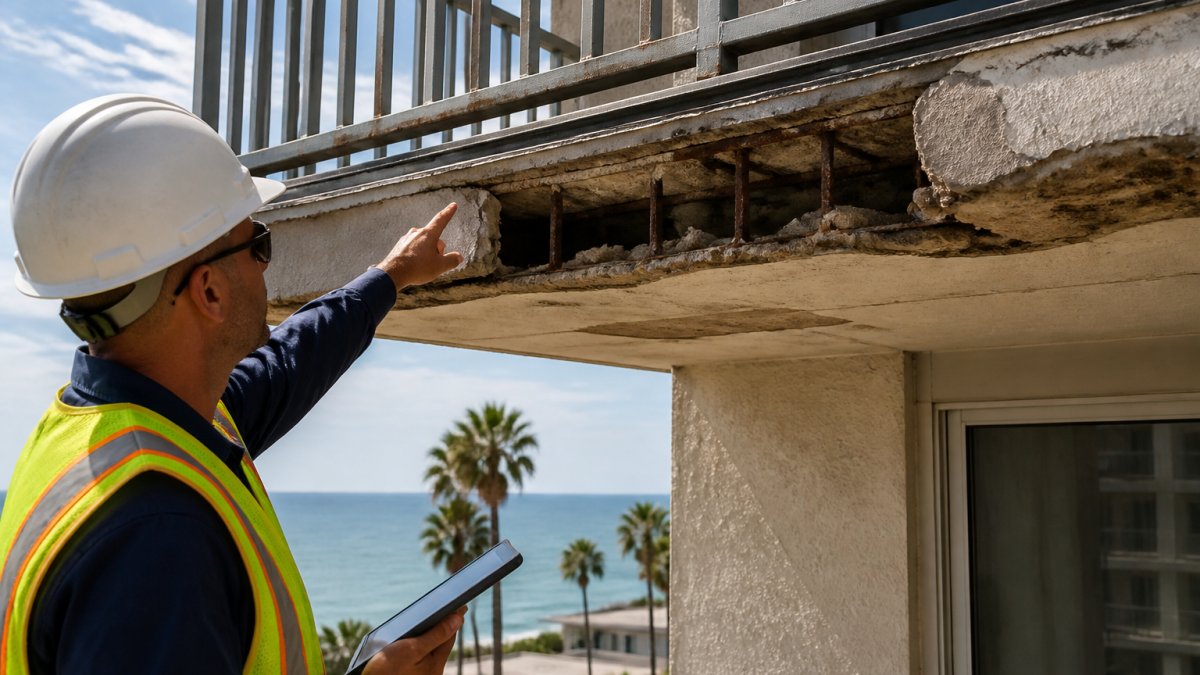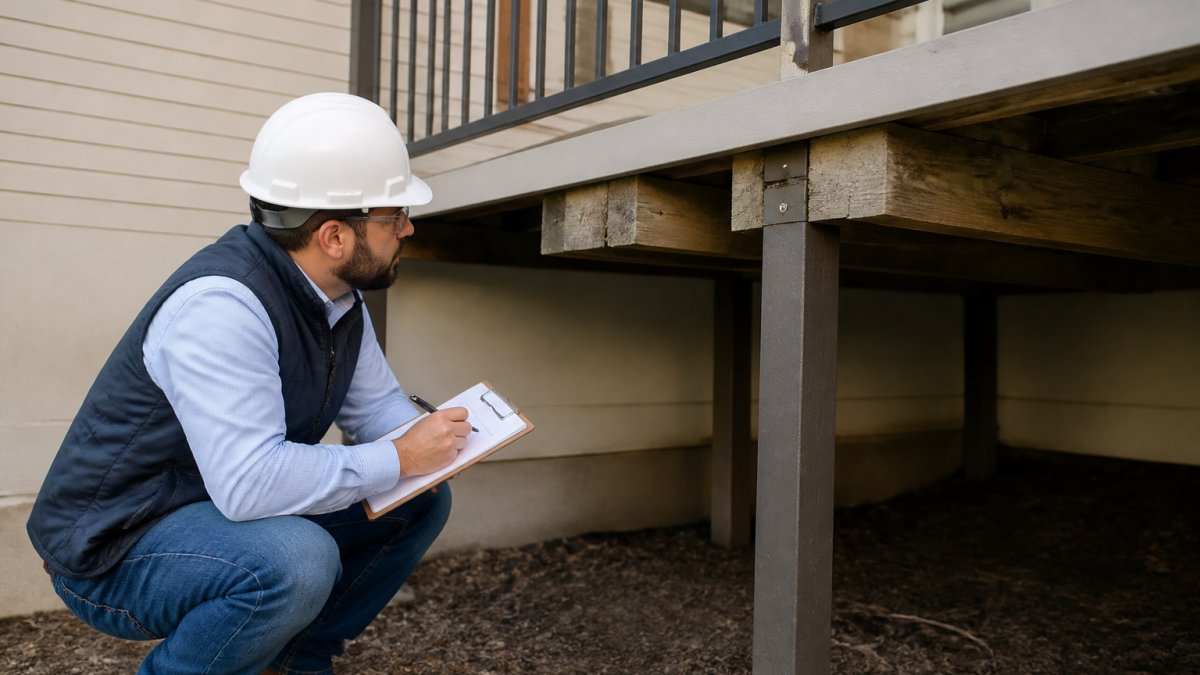
Balcony Waterproofing and Structural Integrity
Balcony waterproofing protects structural integrity and prevents costly damage. Learn inspection methods, repair steps, and compliance requirements.
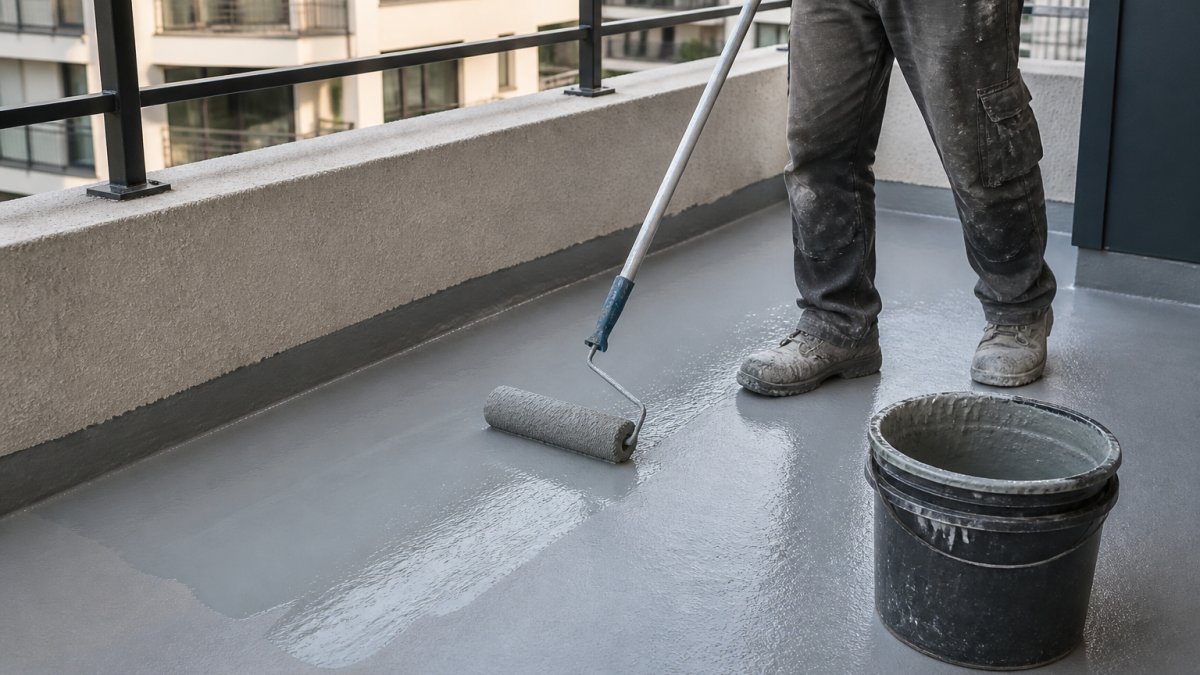
Table of Contents
- How Balcony Waterproofing Protects Structural Integrity
- Common Causes of Balcony Water Intrusion and Damage
- Signs of Balcony Structural Damage You Cannot Ignore
- Balcony Waterproofing Methods and Material Options
- Balcony Drainage Problems and Prevention
- Balcony Inspection Checklist for Property Owners
- Repair and Remediation: When to Call a Professional
- Compliance and Long-Term Maintenance
- Frequently Asked Questions
Last Updated: October 10, 2026
How Balcony Waterproofing Protects Structural Integrity
Balcony waterproofing is the process of applying protective barriers to prevent water from entering the structural framing and decking materials beneath the surface. Water intrusion is the leading cause of balcony failure. When moisture penetrates concrete, wood, or steel, it triggers structural problems that can cost tens of thousands to repair or create safety hazards for residents.
Water migrates downward through capillary action, finding microscopic cracks and gaps, triggering rust in steel reinforcement and rot in wood components.
Waterproofing is not optional maintenance, it’s the foundation of balcony safety. A failed waterproofing system can turn a minor water intrusion into a structural failure that endangers residents.
Common Causes of Balcony Water Intrusion and Damage
Cracks in concrete are the most common entry point.
Flashing failures at the connection between the balcony and building frame are critical vulnerabilities. When flashing corrodes, separates, or was installed incorrectly, water flows directly into the framing cavity.
Deteriorated sealants allow water to seep into expansion joints and corners, degrading from UV exposure and temperature cycling.
Membrane punctures and tears introduce water directly into the waterproofing system through foot traffic, maintenance work, or weather damage.
Ignoring water stains on a ceiling below a balcony is a serious mistake. Those stains indicate active water migration into the structural framing. Delaying repair allows the damage to spread deeper into the building envelope, turning a surface-level fix into a structural remediation project.
Signs of Balcony Structural Damage You Cannot Ignore
Visible cracks wider than 1/8 inch, especially horizontal cracks parallel to the building face, indicate water damage and rust expansion in reinforcing steel and warrant immediate inspection.
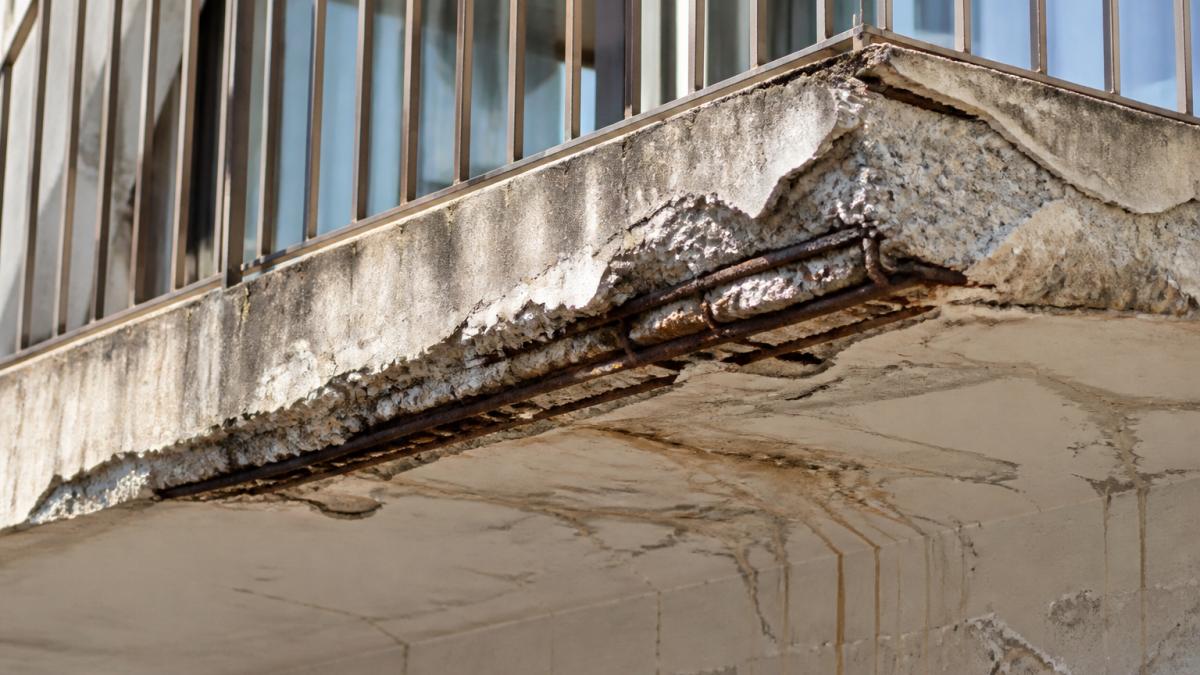
Spalling concrete exposes reinforcing steel, which rusts rapidly when exposed to moisture and oxygen, accelerating deterioration.
Water stains on the ceiling or walls below the balcony indicate active water penetration and migration through the building envelope.
Soft or spongy areas suggest rot in wood or advanced concrete deterioration.
Rust streaks indicate corroding reinforcing steel.
Sagging or deflection of the balcony deck indicates the structural framing has lost capacity and the balcony is unsafe.
Balcony Waterproofing Methods and Material Options
Membrane Systems
Liquid-applied membranes are brushed or sprayed onto the deck surface and cure to form a seamless, flexible barrier ideal for irregular surfaces. They offer complete coverage with no seams but require careful surface preparation and proper curing conditions.
Sheet membranes are rolled out and sealed at overlaps and edges. They’re durable and easy to inspect but require proper sealing at all joints and penetrations.
Reinforced membranes combine fabric with waterproofing coating for additional puncture resistance, ideal for high-traffic balconies.
Protective Coatings and Sealants
Elastomeric coatings bridge small cracks and flex with temperature changes, offering good protection for balconies in good condition.
Polyurethane sealants fill gaps and expansion joints at the balcony-frame junction and require reapplication every 3-5 years.
Penetrating sealers soak into concrete or wood, reducing water absorption, and work best on balconies in good condition without major cracks.
Don’t assume one waterproofing method works for all situations. A balcony with active cracks needs a flexible membrane that can bridge the movement. A balcony with poor drainage needs a sloped surface or integrated drainage system. A professional assessment determines the right solution for each balcony.
Balcony Drainage Problems and Prevention
Proper slope and drainage prevent water from pooling and penetrating the waterproofing.
Balconies should slope toward the outer edge at a minimum 2% grade to direct water away from the building. Many older balconies were built flat or with inadequate slope.
Drip edges prevent water from flowing back toward the building face, and interior drains or scuppers must be kept clear of debris.
Balcony Inspection Checklist for Property Owners
Visual Inspection Steps
Check the sealant at the balcony-frame joint for cracks, gaps, or separation.
Inspect the railing and connections for rust, movement, or loose fasteners.
Look underneath the balcony for water stains, efflorescence, or visible moisture on the soffit or fascia, indicating active water migration.
Check for debris accumulation in corners, at drains, and in depressions, as it blocks drainage and traps water.
Note the balcony’s orientation, as sun exposure, wind direction, and proximity to trees affect water intrusion risk.
Distinguishing Cosmetic Damage from Structural Concern
Cosmetic or Low-Urgency Issues (Can defer professional inspection 6-12 months if no water stains below):
- Hairline cracks (less than 1/16 inch wide) with no water stains or rust
- Minor sealant cracks at joints (less than 1/8 inch wide)
- Surface dirt, algae, or minor discoloration
- Small areas of paint peeling or coating wear
- Isolated small spalls (less than 1 inch diameter) with no exposed steel
Moderate Issues (Schedule professional inspection within 1-3 months):
- Cracks 1/8 inch to 1/4 inch wide, especially if horizontal or parallel to the building
- Sealant separation or gaps wider than 1/8 inch
- Spalling concrete exposing reinforcing steel (any size)
- Water stains on the ceiling or walls directly below the balcony
- Rust streaks running down the balcony face or building wall
- Soft or spongy areas in the deck surface
- Clogged or non-functioning drains
Critical Issues (Restrict balcony use and call a professional immediately):
- Cracks wider than 1/4 inch
- Visible sagging, deflection, or settlement of the deck
- Large areas of spalling (more than 2 inches diameter) or exposed reinforcing steel
- Active water leaks or water flowing through the structure
- Rust stains accompanied by visible corrosion or loss of concrete around reinforcing steel
- Soft spots that yield to hand pressure or tool pressure
- Any sign of movement, separation, or instability in the railing or structural connections
- Efflorescence or continuous moisture on the underside
If you observe any critical-level issue, do not allow occupants on the balcony until a licensed structural engineer or professional balcony inspector has assessed the damage.
Documentation and Testing
Take clear, dated photographs of damage, cracks, water stains, or rust, including a scale object and multiple angles if extensive.
Document the location using compass directions, date, time, and recent weather.
Flood testing confirms waterproofing compromise by applying water to a localized area and monitoring for leaks below:
- Setup: Isolate a test area (4 feet × 4 feet) using a temporary dam or tape barrier.
- Application: Apply water slowly using a hose or watering can, maintaining a shallow pool 1-2 inches deep.
- Duration: Maintain the water level for 24-48 hours.
- Monitoring: Check the ceiling and walls below every 4-6 hours for new water stains, drips, or moisture.
- Documentation: Photograph any leaks and note the time they appear.
- Acceptable results: No water should appear below the balcony during or within 24 hours after the test ends.
Moisture meters measure moisture content in concrete (above 4-5%) or wood (above 12-15%), indicating water intrusion even without visible stains.
Keep detailed records of inspections, repairs, maintenance, and testing to identify patterns and document compliance.
When to Stop and Call a Professional
Contact a licensed structural engineer or professional balcony inspector if your inspection reveals moderate or critical issues. Do not attempt repairs on balconies with active water intrusion, exposed steel, or structural movement.
Repair and Remediation: When to Call a Professional
Assessing Repair Scope and Feasibility
The repair path depends on the extent of damage, age of the existing system, and substrate condition.
Localized Repairs (Suitable for isolated defects):
Localized repairs suit isolated defects like punctures or failed sealant joints.
Localized repairs work best when the membrane is less than 10 years old, the substrate is sound, and the failure is isolated.
Full Membrane Replacement (Necessary for widespread failure):
Full membrane replacement is necessary for widespread failure, multiple cracks, extensive sealant failure, large spalling areas, or active intrusion at multiple locations.
Full replacement is more expensive but eliminates the risk of hidden failures.
Material Selection and Substrate Compatibility
The choice of waterproofing membrane depends on the substrate, the extent of existing damage, and the balcony’s exposure.
Liquid-Applied Membranes (Polyurethane, Acrylic, or Bituminous):
- Best for: Concrete balconies with minor cracks or irregular surfaces
- Substrate prep: Concrete must be clean, dry (less than 4% moisture), and free of loose material. Cracks wider than 1/4 inch should be filled.
- Application: Brushed or sprayed in two coats, 60-80 mils total thickness. Curing time: 24-72 hours.
- Durability: 10-15 years with maintenance; UV-resistant topcoats extend life.
- Cost: Lower than sheet membranes but labor-intensive if surface prep is extensive.
Sheet Membranes (EPDM, TPO, or PVC):
- Best for: Large, flat concrete or wood balconies
- Substrate prep: Substrate must be smooth, dry, and free of sharp protrusions.
- Installation: Rolled out and overlapped at seams (minimum 6 inches), sealed with adhesive or fasteners.
- Durability: 15-25 years; seams are the weak point.
- Cost: Higher material cost but faster installation on sound substrates.
Reinforced Membranes (Fabric-Reinforced Polyurethane or Bituminous):
- Best for: High-traffic balconies where puncture resistance is critical
- Application: Fabric layer embedded in first coat, sealed with second coat.
- Durability: 12-18 years; fabric adds crack-bridging ability.
- Cost: Higher than standard liquid membranes.
Penetrating Sealers (Siloxane or Silane):
- Best for: Balconies in good condition with no major cracks or active water intrusion
- Application: Applied by brush, spray, or roller; soaks into concrete.
- Mechanism: Fills microscopic voids, reducing water absorption without creating a surface barrier.
- Durability: 3-7 years.
- Cost: Lowest cost option; suitable for maintenance.
- Limitation: Not suitable for balconies with active cracks, spalling, or water stains.
Substrate Repair and Preparation
Before any new waterproofing membrane is installed, the underlying substrate must be sound.
Concrete Repair:
- Cracks: Hairline cracks can be sealed. Cracks 1/16 to 1/4 inch wide should be filled with repair compound or epoxy injection. Cracks wider than 1/4 inch may indicate structural movement.
- Spalling: Chip out to sound concrete, clean, and patch with repair mortar or epoxy.
- Exposed steel: Clean rust, treat with rust converter or epoxy primer, and seal before membrane application.
- Slope and drainage: Re-slope flat or inward-sloping balconies to a minimum 2% grade toward the outer edge or drains.
Wood Repair:
- Rot: Replace rotted framing.
- Moisture: Dry wood to less than 15% moisture content before waterproofing.
- Substrate: Wood balconies often require a rigid substrate layer to prevent deflection.
Steel Repair:
- Corrosion: Clean to bare metal, treat with rust converter or epoxy primer, and seal.
- Fasteners: Replace corroded bolts with stainless steel or galvanized equivalents.
Professional Assessment and Execution
Call a licensed structural engineer or professional balcony inspector if you observe cracks wider than 1/8 inch, spalling with exposed steel, rust stains, water damage below, sagging, or uncertainty about damage extent.
A professional assessment determines whether the balcony can be safely repaired or requires structural remediation before waterproofing. Early intervention costs far less than waiting until structural failure is imminent.
Compliance and Long-Term Maintenance
Professional inspection determines condition and enables effective repair and maintenance planning.
Long-term maintenance includes annual visual inspections, resealing joints every 3-5 years, clearing debris from drains, addressing small damage promptly, and monitoring for water stains below.
Preventive maintenance extends waterproofing life and prevents catastrophic failures, avoiding costly emergency repairs.
Water damage to balconies is preventable by understanding water infiltration, recognizing early warning signs, and taking action before structural failure.
Book an inspection with Apex Balcony and get a clear picture of your balcony’s condition.
Frequently Asked Questions
How does balcony waterproofing protect structural integrity?
Balcony waterproofing prevents water from penetrating concrete, framing, and structural elements. Water intrusion causes concrete spalling, steel corrosion, wood rot, and freeze-thaw damage that weakens the balcony’s load-bearing capacity. A properly installed waterproofing membrane or coating creates a barrier that directs water away from the structure, preserving the balcony’s ability to safely support occupants and furniture.
What are the signs of balcony structural damage?
Watch for visible cracks wider than 1/8 inch, spalling or flaking concrete, rust stains indicating corroded reinforcement, soft or spongy areas when tapped, gaps between the balcony and building frame, and water pooling or drainage failure. Sagging or uneven surfaces, crumbling edges, and exposed rebar are critical warning signs. If you notice any of these, professional inspection is urgent to assess whether the damage affects load-bearing capacity.
How often should a balcony be inspected?
Annual visual inspections are recommended for most balconies, with closer attention after heavy rain, freeze-thaw cycles, or visible damage. California SB 326 and SB 721 require formal structural inspections at specific intervals depending on the building’s age and prior inspection history. Professional inspections should occur at least every 6 years for most buildings, or sooner if preliminary signs of deterioration appear.
What is the best waterproofing method for balconies?
The best method depends on climate, substrate condition, and budget. Liquid-applied membranes work well for complex shapes and repairs. Sheet membranes provide durable protection on flat surfaces. Protective coatings offer cost-effective maintenance. Proper surface preparation, adequate slope for drainage, and flashing details are equally important as the membrane itself. Professional assessment helps ensure the chosen system matches your balcony’s specific exposure and structural condition.