
Table of Contents
- When Minor Cracks Don’t Require Full Balcony Replacement
- How to Identify Structural Failure in Elevated Decks
- Repair Methods for Minor Balcony Cracks
- Balcony Waterproofing Systems to Prevent Future Damage
- SB 326 Balcony Inspection Requirements and Compliance
- DIY vs. Professional Repair: When to Call a Licensed Inspector
- Long-Term Cost-Benefit Analysis: Repair vs. Full Replacement
- Preventative Maintenance Schedule to Avoid Major Repairs
- Frequently Asked Questions
Last Updated: September 25, 2026
When Minor Cracks Don’t Require Full Balcony Replacement
A Berkeley balcony collapse in 2015 killed six people; a Malibu incident in May 2021 nearly replicated that tragedy. Both started with small cracks left unaddressed. Yet minor cracks don’t automatically require full balcony replacement; balcony crack repair offers cost-effective alternatives. Apex Balcony helps California property owners distinguish between cosmetic damage and structural failure. Repair alternatives, from sealant work to epoxy injection, can save tens of thousands of dollars while keeping residents safe. This guide shows you how to identify your damage type, which fixes work best, and when professional inspection is essential.
Most minor balcony cracks can be repaired without full replacement. The key is accurate diagnosis, knowing whether you’re dealing with cosmetic surface damage or a structural integrity issue that demands intervention.
How to Identify Structural Failure in Elevated Decks
Distinguishing between cosmetic cracks and structural failure is essential for choosing the right repair. Some cracks result from normal aging and thermal expansion; others signal moisture infiltration or reinforcement corrosion that will worsen without treatment.
Cosmetic vs. Structural Cracks
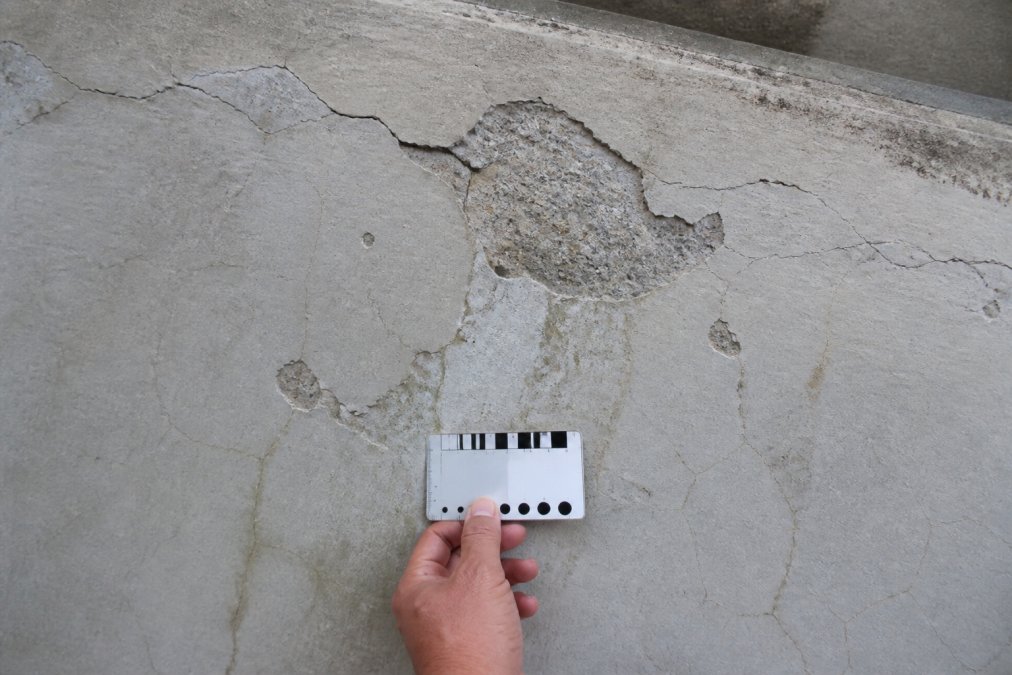
Cosmetic cracks are surface-level imperfections affecting appearance but not load-bearing capacity. These typically measure less than 1/8 inch wide, run parallel to the surface, and don’t penetrate the slab. They result from normal concrete shrinkage, UV exposure, and temperature fluctuations.
Structural cracks indicate compromised load-bearing capacity or active deterioration. These exceed 1/8 inch in width, run perpendicular to the slab, show water seepage, or appear with surface delamination. Efflorescence (white mineral deposits) signals moisture traveling through concrete and potential reinforcement corrosion.
Cosmetic repairs address appearance; structural repairs address the underlying cause. Coatings over structural cracks provide temporary protection but don’t restore integrity or stop damage progression.
Warning Signs That Demand Professional Inspection
Contact a licensed inspector if your balcony shows:
- Visible rebar corrosion: Rust staining indicates moisture has penetrated to reinforcement, accelerating corrosion and compromising tensile strength.
- Spalled concrete with hollow sound when tapped: Delamination has occurred; concrete is separating from reinforcement.
- Cracks wider than 1/4 inch: These indicate structural movement or active stress beyond surface repair scope.
- Water pooling on the surface: Failed waterproofing system creating hydrostatic pressure.
- Map or alligator cracking patterns: Multiple interconnected cracks suggest systemic issues like carbonation or freeze-thaw damage.
If you see rebar corrosion, extensive spalling, or cracks wider than 1/4 inch, do not attempt DIY repairs. These signs indicate structural failure in progress. Professional inspection is legally required under SB 326 and SB 721 for most California properties anyway, this is your opportunity to address issues before they worsen.
Repair Methods for Minor Balcony Cracks
Once you’ve confirmed that you’re dealing with minor damage rather than structural failure, several proven balcony crack repair methods can restore functionality and prevent future deterioration. The right choice depends on crack width, depth, location, and the underlying cause.
Epoxy Injection for Hairline and Structural Cracks
Epoxy injection seals cracks penetrating through the concrete slab by injecting high-strength resin under pressure, restoring monolithic strength and creating a moisture-resistant seal.
Epoxy injection works best for cracks between 1/16 and 1/2 inch wide. The process begins with substrate cleaning, then injection ports are installed and pressurized equipment forces epoxy through the crack in stages, ensuring complete fill from bottom to top.
The result is a permanently bonded crack that prevents water infiltration and halts reinforcement corrosion. This method restores structural integrity far more effectively than surface coatings alone. However, epoxy injection requires specialized equipment and professional application to ensure proper pressure, timing, and adhesive bond formation.
Repair Mortars and Patching Compounds for Spalled Concrete
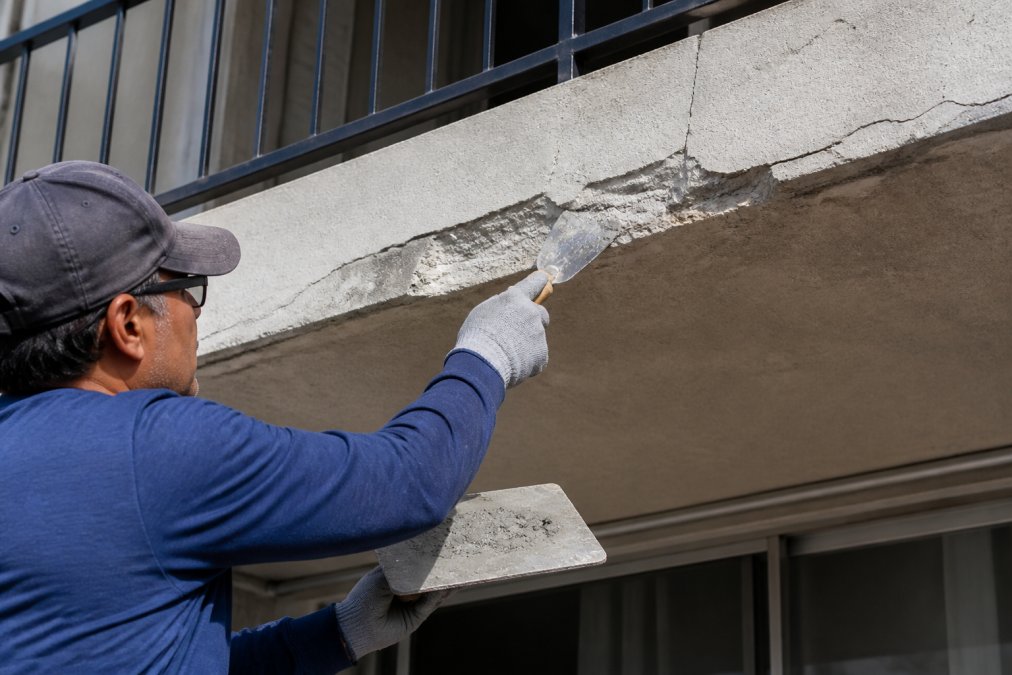
When concrete has chipped away or spalled, leaving a void or depression, repair mortars provide a structural solution. These cementitious compounds are specifically formulated to bond strongly to existing concrete substrates while resisting weathering and freeze-thaw cycles.
Quality repair mortars contain shrink-compensated formulations that expand slightly during curing to offset natural concrete shrinkage, maintaining adhesive bond and structural continuity.
Repair requires thorough substrate preparation: clean with a wire brush, undercut edges to improve bonding, apply mortar to fill the void, and finish flush with the surrounding surface.
Repair mortars are ideal for surface-level spalling on railings, curbs, and edges. They’re cost-effective but cannot address cracks penetrating the entire slab or active water infiltration.
Elastomeric Coatings to Bridge Minor Surface Damage
Elastomeric waterproofing coatings are flexible, high-build paint systems that bridge small cracks and provide a waterproof barrier. These coatings stretch as the concrete expands and contracts with temperature changes, maintaining the seal even when minor movement occurs.
Elastomeric coatings offer ease of application, aesthetic improvement, UV protection, and slowed concrete weathering.
Elastomeric coatings address symptoms rather than underlying causes. Applied over active structural cracks, they provide temporary protection but don’t restore integrity or stop damage progression.
Elastomeric coatings work best as preventative maintenance over sound concrete.
Balcony Waterproofing Systems to Prevent Future Damage
Preventing future damage is more cost-effective than repairing it. Waterproofing systems address the root cause of deterioration: water infiltration leading to reinforcement corrosion and structural failure.
Vinyl Membrane Decking for Long-Term Protection
Vinyl membrane systems create a continuous waterproof barrier over the entire balcony surface. These synthetic sheet membranes are mechanically fastened or adhered to the concrete substrate, with seams sealed to prevent water penetration at joints.
Torch-On Bitumen Membranes for Heavy-Duty Waterproofing
Torch-on bitumen membranes represent the heavy-duty waterproofing option. These heat-applied membranes create an extremely strong, long-lasting seal ideal for balconies in harsh climates or with heavy foot traffic.
Re-Caulking and Joint Sealant Replacement at Thresholds
Re-caulking at door thresholds and wall transitions is often overlooked but critical. Failed sealants allow water to flow into the building interior and behind the balcony structure.
SB 326 Balcony Inspection Requirements and Compliance
California’s SB 326 (effective January 2019) and SB 721 (effective January 2022) mandate structural inspections for certain residential properties. Understanding which requirements apply to your building is essential for compliance and liability protection.
Schedule your inspection early in the compliance window rather than waiting until the deadline approaches. Early inspection gives you time to plan repairs, budget appropriately, and avoid rushed decisions under time pressure. If your building hasn’t been inspected yet, contact a licensed inspector now.
DIY vs. Professional Repair: When to Call a Licensed Inspector
Some balcony repairs are appropriate for property owners or maintenance staff to handle. Others require licensed professionals and specialized equipment. Knowing the difference protects both safety and liability.
Long-Term Cost-Benefit Analysis: Repair vs. Full Replacement
The decision between repair and full replacement hinges on cost, severity, and building lifespan. A simple analysis comparing immediate costs misses the larger financial picture.
Preventative Maintenance Schedule to Avoid Major Repairs
The most cost-effective strategy is preventing damage before it requires repair. A simple preventative maintenance schedule catches early signs of deterioration and stops problems before they escalate.
| Repair Method | Best For | Lifespan | Professional Required |
|---|---|---|---|
| Epoxy Injection | Hairline to 1/2″ cracks | 15+ years | Yes |
| Repair Mortars | Spalled concrete surfaces | 10-15 years | Recommended |
| Elastomeric Coatings | Cosmetic cracks, waterproofing | 5-8 years | No |
| Vinyl Membrane | Long-term surface protection | 10+ years | Yes |
| Torch-On Bitumen | Heavy-duty waterproofing | 15+ years | Yes |
| Re-Caulking | Threshold and joint sealing | 1-2 years | No |
Frequently Asked Questions
Can minor balcony cracks be repaired without replacing the entire structure?
Yes. Hairline cracks and surface spalling can be sealed with epoxy injection, patching compounds, or elastomeric coatings without requiring full balcony replacement. The key is early identification. Cosmetic cracks that do not penetrate the reinforcement layer are excellent candidates for repair. However, cracks showing active movement, signs of rebar corrosion, or structural misalignment require professional assessment to determine if repair is safe or if replacement is necessary.
What are the requirements for balcony inspections under SB 326 and SB 721?
SB 326 requires California HOAs to inspect balconies and elevated decks every six years and provide owners with written notice of defects. SB 721 applies to buildings with three or more units and mandates structural safety inspections. Both laws require licensed professionals to assess concrete deterioration, water damage, rebar corrosion, and load-bearing capacity. Failure to comply can result in fines and liability. Your property management team should schedule an inspection with a licensed balcony inspector to verify compliance and identify repair needs.
How do I know if a balcony crack is structural or cosmetic?
Cosmetic cracks are hairline-width surface fractures that do not penetrate the concrete slab or expose reinforcement. Structural cracks are wider than 1/8 inch, show signs of active movement, or allow water to penetrate deeply. If you see spalled concrete, exposed rebar, water staining on the underside, or cracks that follow a pattern, these indicate structural issues. A licensed inspector can determine severity using visual assessment and moisture testing. When in doubt, request a professional evaluation before attempting repairs.
What is the most cost-effective repair method for minor balcony cracks?
Elastomeric waterproofing coatings are an affordable option for hairline cracks. For deeper cracks, epoxy injection or patching compounds offer better structural bonding at moderate cost. Re-caulking door thresholds and joints is a low-cost preventative measure that stops water infiltration before it causes major damage. The best approach depends on crack depth, location, and underlying cause. A professional inspection will identify which method provides the longest-term protection for your specific situation.
How often should balcony maintenance be performed to prevent major repairs?
Annual inspections are recommended to catch early signs of damage. Re-caulk joints and sealants every 1-2 years, especially after heavy rain or freeze-thaw cycles. Clean debris from balcony surfaces and drainage areas quarterly to prevent water pooling. If you notice hairline cracks, address them within 6 months before water penetration causes reinforcement corrosion. Preventative maintenance costs far less than emergency repairs or full replacement. Document all maintenance activities for SB 326 and SB 721 compliance records.