
Table of Contents
- Quick Comparison Table
- How We Evaluated Waterproofing Systems for Elevated Decks
- 1. Duradek: Heat-Welded PVC Membrane for Long-Term Protection
- 2. Westcoat ALX System: Fiberglass-Reinforced Cementitious Coating
- 3. Tufdek: Premium PVC with Heat Reflection Technology
- 4. AMES Safe-T-Deck: Water-Based Acrylic for High-Traffic Areas
- Balcony Inspection Requirements and Waterproofing Compliance
- Signs of Balcony Structural Failure and When to Upgrade Your Waterproofing
- Frequently Asked Questions
Last Updated: September 24, 2026
Quick Comparison Table
| Waterproofing System | Type | Best For | Key Advantage |
|---|---|---|---|
| Duradek | Heat-welded PVC membrane | Long-term protection, minimal maintenance | Immediate walkability, UV-resistant |
| Westcoat ALX System | Fiberglass-reinforced cementitious coating | High-traffic areas, plywood substrates | Durable slip-resistant finish |
| Tufdek | Premium PVC with heat reflection | High-end residential projects | Superior heat reduction, puncture-resistant |
| AMES Safe-T-Deck | Water-based acrylic coating | Maintenance and recoating | User-friendly application |
How We Evaluated Waterproofing Systems for Elevated Decks
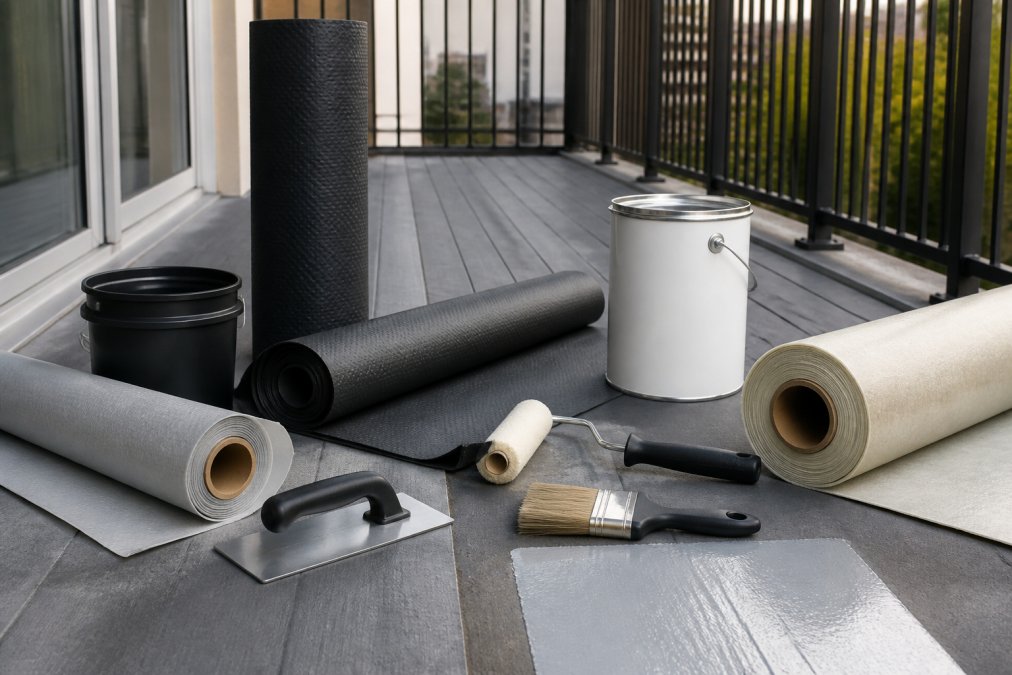
Selecting the right waterproofing system for an elevated deck requires understanding substrate compatibility, climate demands, and long-term durability expectations, and the 5 best waterproofing systems for elevated decks each excel in different conditions. The best choice depends on your substrate type, foot traffic patterns, and maintenance tolerance.
The 5 best waterproofing systems for elevated decks fall into three categories: heat-welded PVC membranes, liquid-applied coatings, and cementitious systems. Membrane systems excel at handling thermal expansion without cracking. Liquid coatings work well for retrofitting and high-traffic areas requiring slip resistance. Cementitious systems deliver durability for plywood decking needing long-term joist protection.
Substrate Compatibility Matrix
Plywood Substrates:
Cementitious coatings like Westcoat ALX perform well on plywood because fiberglass reinforcement accommodates thermal expansion without cracking. Liquid acrylic coatings also work if properly primed. Heat-welded PVC membranes require structurally sound, properly sloped substrates; soft spots or rot must be replaced first.
Concrete Substrates:
Cementitious coatings bond directly to concrete and create a monolithic barrier resisting hydrostatic pressure. Heat-welded PVC membranes require clean, dry surfaces free of cracks wider than 1/8 inch. Liquid coatings work on concrete but require acid etching or grinding for adhesion.
Metal Decking:
Heat-welded PVC membranes are most reliable for metal decking because they are mechanically fastened and heat-welded at seams.
Climate-Specific Performance Recommendations
Climate conditions determine which waterproofing system will deliver the longest service life and lowest maintenance burden.
1. Duradek: Heat-Welded PVC Membrane for Long-Term Protection
Duradek is a pre-manufactured PVC membrane system with heat-welded seams that create a watertight seal resistant to thermal expansion and moisture cycling. Once installed, minimal maintenance is required.
Pros:
- Heat-welded seams provide permanent watertight protection
- UV-resistant formulation handles direct sun exposure without degradation
- Minimal maintenance once installed
- Slip-resistant surface texture suitable for high-traffic balconies
Cons:
- Professional installation is mandatory for warranty
- Higher upfront cost compared to liquid coatings
2. Westcoat ALX System: Fiberglass-Reinforced Cementitious Coating
The Westcoat ALX System is a multi-layer cementitious coating with fiberglass reinforcement that bonds to plywood or concrete and hardens into a monolithic, textured barrier for high-traffic decks and balconies.
Pros:
- Fiberglass reinforcement handles thermal expansion without cracking
- Seamless, monolithic application eliminates seam vulnerabilities
- Excellent slip resistance for high-traffic areas
- Strong adhesion to both plywood and concrete substrates
Cons:
- Requires professional installation and proper surface preparation
- Curing time can extend project schedules
- Texture may trap debris in some climates
3. Tufdek: Premium PVC with Heat Reflection Technology
Tufdek is a premium PVC membrane with Cool-Step heat reflection technology that reduces surface temperature, keeping decks cooler underfoot in high-sun climates.
Pros:
- Cool-Step heat reflection reduces surface temperature significantly
- Reinforced PVC resists punctures and heavy wear
- Extensive color and design options for aesthetic flexibility
- Heat-welded seams ensure permanent waterproofing
Cons:
- Higher cost compared to basic sealants and standard PVC systems
- Professional installation is mandatory
- Heat reflection benefit varies by climate and sun exposure
4. AMES Safe-T-Deck: Water-Based Acrylic for High-Traffic Areas
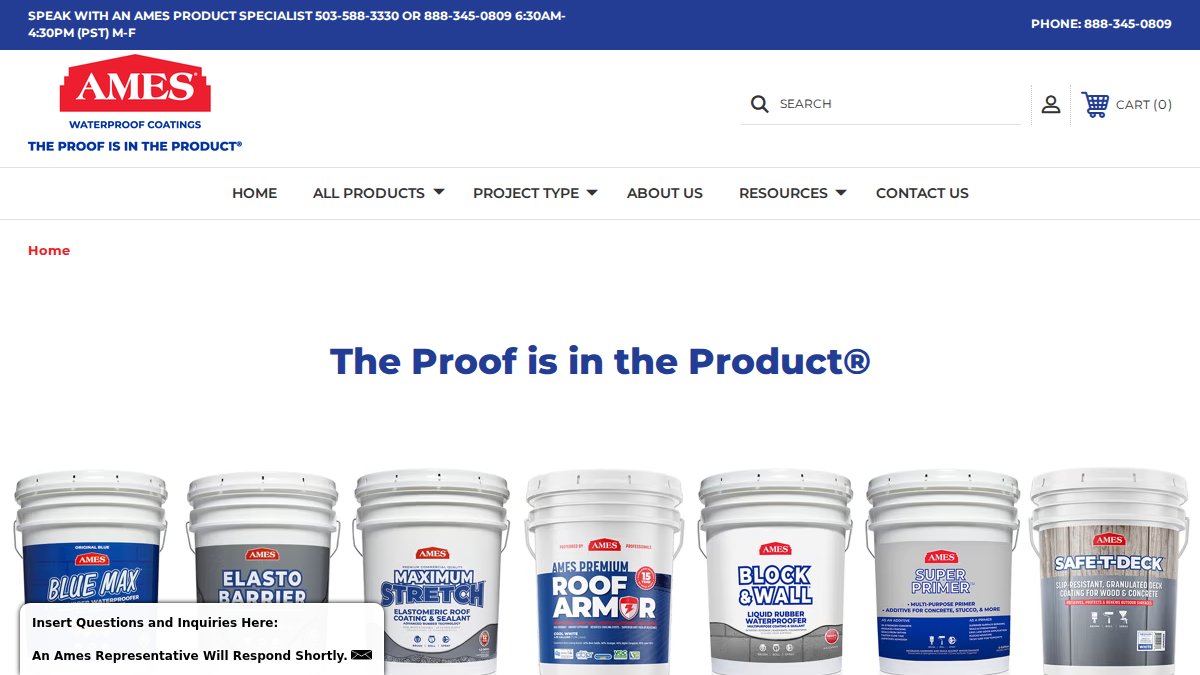
AMES Safe-T-Deck is a water-based acrylic coating applied with a roller or brush, accessible for DIYers and contractors doing maintenance work.
Pros:
- User-friendly application via roller or brush
- Water-based formula with low VOC emissions
- Excellent slip resistance for safety
- Suitable for DIY application on existing surfaces
Cons:
- Shorter lifespan than membrane systems (5-7 years)
- Requires proper surface preparation for adhesion
- Recoating cycles are more frequent than PVC systems
Balcony Inspection Requirements and Waterproofing Compliance
California properties with elevated decks must comply with SB 326 and SB 721, which mandate structural inspections and documented waterproofing assessments for residential buildings with three or more units.
Signs of Balcony Structural Failure and When to Upgrade Your Waterproofing
Water damage is the primary driver of balcony structural failure. Failed waterproofing allows water to reach substrates, causing soft spots, discoloration, and rot that compromises joist strength.
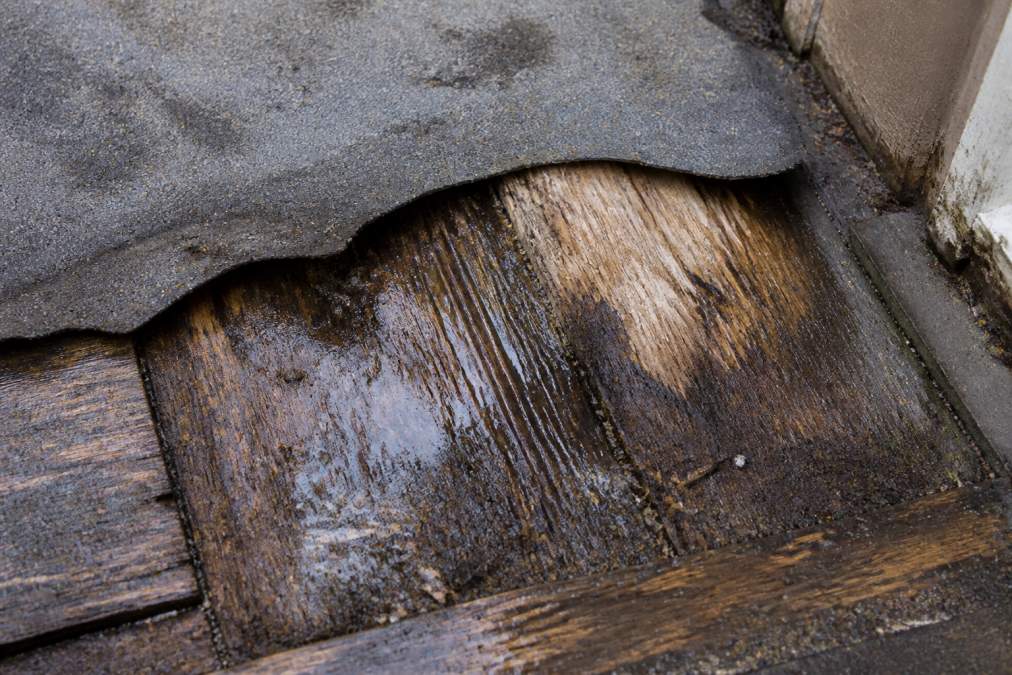
Common warning signs include:
- Surface pooling or standing water indicates improper slope or low spots
- Soft or spongy deck surface suggests water penetration and weakening structural support
- Visible cracks in coating or membrane allow water infiltration
- Discoloration or dark stains indicate moisture accumulation
- Lifted or peeling membrane edges at seams or flashing, the most common water entry point
- Rust stains or metal flashing deterioration indicate water reaching steel components
- Musty odors or mold growth on the deck underside signal persistent moisture
10-Year Cost-of-Ownership Analysis: Repair, Recoat, or Replace
Upgrade decisions should be grounded in 10-year cost-of-ownership analysis, not just upfront material costs, as maintenance cycles and lifespans vary significantly.
Heat-Welded PVC Membrane Systems (Duradek, Tufdek):
- Initial installation cost: $15-$25 per square foot
- Maintenance cycle: Minimal; annual inspection
- Expected lifespan: 15-20 years
- 10-year total cost: For a 400-square-foot deck, approximately $8,000-$14,000 (initial plus annual inspection)
- Cost-benefit: Highest upfront investment with lowest maintenance burden and longest lifespan.
Cementitious Coating Systems (Westcoat ALX):
- Initial installation cost: $12-$18 per square foot (professional installation required)
- Maintenance cycle: Recoating recommended every 7-10 years, depending on foot traffic and climate
- Recoating cost: $8-$12 per square foot for full recoating
- Expected lifespan: 10-15 years before first recoating; 15-20 years with proper maintenance
- 10-year total cost: For a 400-square-foot deck, initial cost is $4,800-$7,200. If recoating is needed in year 8, add $3,200-$4,800. Total over 10 years: approximately $8,000-$12,000
- Cost-benefit: Moderate upfront cost with predictable maintenance. Good for properties with plywood substrates that need seamless protection and high slip resistance.
Liquid Acrylic Coating Systems (AMES Safe-T-Deck):
- Initial installation cost: $4-$8 per square foot (DIY or professional application)
- Maintenance cycle: Recoating required every 5-7 years
- Recoating cost: $4-$8 per square foot
- Expected lifespan: 5-7 years per application
- 10-year total cost: For a 400-square-foot deck, initial cost is $1,600-$3,200. Recoating in year 5-6 costs $1,600-$3,200. Total over 10 years: approximately $3,200-$6,400
- Cost-benefit: Lowest upfront cost, but highest maintenance frequency. Best for budget-conscious property owners willing to recoat every 5-7 years, or for temporary solutions on decks scheduled for replacement.
When Repair Makes Sense vs. When Replacement Is Necessary
Repair is cost-effective when:
- The waterproofing system is less than 10 years old and showing isolated failures (a few failed seams or small cracks)
- The substrate beneath is structurally sound (no soft spots, rot, or spalling)
- The failure is localized to less than 20% of the deck surface
- The system type is still available and compatible with existing material
- Estimated repair cost is less than 40% of the cost of full replacement
Replacement is necessary when:
- The waterproofing system is at or beyond its expected lifespan (15+ years for membranes, 10+ years for coatings)
- Water damage has compromised the substrate; soft joists, rot, or spalling concrete must be repaired before new waterproofing is installed
- The failure is widespread (more than 30% of the deck surface showing signs of water infiltration)
- The existing system is incompatible with modern code requirements or SB 326/SB 721 compliance standards
- Estimated repair cost exceeds 50% of the cost of full replacement
Preventive Investment Protects Structural Assets
The cost-benefit analysis over 10 years typically favors upgrading sooner rather than later. A failed waterproofing system that damages joists or causes concrete spalling can cost 3-5 times more to repair than replacing the waterproofing system before substrate damage occurs. For example, replacing a failed membrane system on a 400-square-foot deck costs $6,000-$10,000. Repairing water-damaged joists and then installing new waterproofing can easily exceed $20,000-$30,000 because structural repairs are labor-intensive and may require temporary deck closure.
Frequently Asked Questions
How do I know which waterproofing system for elevated decks is right for my property?
Your choice depends on three factors: your deck substrate (plywood vs. concrete), expected foot traffic volume, and climate exposure. PVC membrane systems like Duradek excel in high-moisture climates and offer 20+ year lifespans. Liquid-applied coatings like AMES Safe-T-Deck work well for maintenance recoating. If your deck sits over living space, substrate protection is critical, consider professional installation to ensure proper application and warranty coverage.
What is the typical waterproof deck coating lifespan?
Lifespan varies significantly by system type. Heat-welded PVC membranes like Duradek and Tufdek typically last 20-30 years with minimal maintenance. Cementitious systems like Westcoat ALX last 10-15 years depending on foot traffic and UV exposure. Water-based acrylic coatings require reapplication every 3-5 years. Climate, substrate condition, and maintenance frequency all affect longevity. Professional installation ensures proper seam integrity and thermal expansion accommodation, extending service life.
What are the signs of balcony structural failure I should watch for?
Common warning signs include soft or spongy wood when you press on the deck surface, visible discoloration or dark staining indicating moisture penetration, cracking or separation along seams, water pooling on the surface, and deterioration around flashing and joist connections. If water reaches the substrate beneath your waterproofing system, structural failure accelerates rapidly. Inspect after heavy rain or in spring when freeze-thaw cycles have stressed the membrane. Early detection prevents costly joist replacement.
Do I need professional installation for all waterproofing systems?
Professional installation is strongly recommended for PVC membrane systems (Duradek, Tufdek) and cementitious coatings (Westcoat ALX) to maintain warranty coverage and ensure watertight seam integrity. Liquid acrylic coatings like AMES Safe-T-Deck can be applied by experienced DIYers if substrate preparation is meticulous. Improper seam welding or surface prep leads to early failure and moisture infiltration into the structural substrate. When protecting a building’s integrity, professional expertise typically prevents costly repairs.
How do balcony inspection requirements affect my waterproofing choice?
SB 326 and SB 721 mandate structural inspections every 6 years for buildings with 3+ units in California. Inspectors look for water damage, failed membranes, and substrate deterioration as evidence of deferred maintenance. Choosing a durable waterproofing system with proven longevity helps you pass inspection cycles without emergency repairs. Systems with excellent crack-bridging properties and UV stability demonstrate responsible stewardship. Proper waterproofing reduces the likelihood of inspector-flagged deficiencies and associated repair costs.