
Table of Contents
- Balcony Waterproofing Cost Breakdown by System Type
- Factors That Influence Balcony Waterproofing Costs
- SB 326 Balcony Inspection Requirements and Waterproofing Mandates
- Balcony Waterproofing Membrane Replacement Cost and Durability
- Signs of Balcony Water Damage That Trigger Immediate Repairs
- New Construction vs. Repair: Cost Comparison
- DIY vs. Professional Waterproofing: What You Actually Save
- Conclusion
- Frequently Asked Questions
Last Updated: September 22, 2026
Balcony Waterproofing Cost Breakdown by System Type
The cost of balcony waterproofing per square foot varies significantly depending on the system you choose, ranging from basic sealant applications to comprehensive membrane installations. Property owners often underestimate the long-term value of investing in the right waterproofing system upfront rather than facing costly repairs later. Understanding these differences helps you make an informed decision that protects your building and residents.
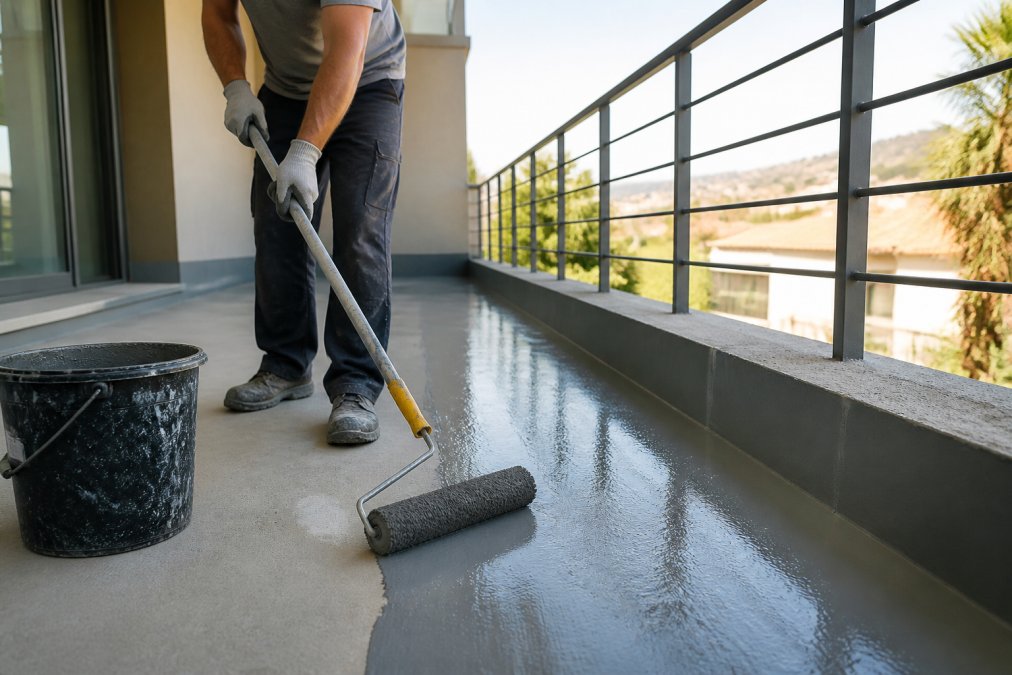
Liquid-applied coatings represent one of the most common approaches. These acrylic modified cement or polyurethane sealant products are brushed or sprayed directly onto the balcony surface. Many property managers find these systems appealing because they’re relatively straightforward to apply and provide a continuous moisture barrier. However, they typically require reapplication every 5-7 years, which means ongoing maintenance costs accumulate over time.
Membrane systems, including elastomeric coatings and specialized waterproof membranes, offer longer-lasting protection. These systems create a more durable barrier against water intrusion and are particularly effective for balconies experiencing heavy moisture exposure or freeze-thaw cycles. The installation process demands more careful surface preparation and professional expertise, but the extended lifespan often justifies the higher initial investment.
Sheet membrane installations involve adhering pre-manufactured waterproofing sheets to the substrate. This approach works well for new construction or major renovation projects where you have access to the underlying structural elements. The durability is excellent, though installation complexity and labor intensity drive up project costs.
A common mistake is choosing the cheapest option without considering climate exposure. Balconies in regions with heavy rainfall or freeze-thaw cycles benefit from premium systems that prevent costly water damage to structural framing and units below.
Factors That Influence Balcony Waterproofing Costs
Several variables determine your final project cost beyond the basic square footage calculation. The existing condition of your balcony plays a major role, if concrete is spalling, if there’s active water intrusion, or if the sub-surface drainage system has failed, you’ll need remedial work before applying any waterproofing system. Surface preparation alone can add significant labor hours to your timeline.
Climate and regional exposure directly impact system selection and pricing. Balconies in coastal areas or regions with heavy precipitation typically require more strong systems with superior UV resistance and flexibility. Northern climates where freeze-thaw cycles occur demand elastomeric coatings that accommodate concrete expansion and contraction without cracking.
Building code compliance requirements vary by jurisdiction. Some municipalities have specific standards for slip-resistant finishes, drainage slope specifications, or structural load requirements that influence material selection. Local permit fees and inspection costs also factor into your total expense, though these are often overlooked in initial estimates.
The age and structural integrity of the balcony structure itself affects waterproofing decisions. Older buildings may require additional reinforcement or flashing replacement before waterproofing can be effective. If the structural framing shows signs of deterioration, you might need engineering assessment and repairs before proceeding with surface waterproofing.
Labor rates in your area significantly impact the bottom line. Urban markets and regions with higher construction costs will naturally command premium pricing for professional installation. The complexity of your balcony layout, whether it’s a simple rectangular deck or an irregular shape with multiple drains, also influences labor requirements.
The cheapest waterproofing material won’t save money if it fails prematurely or requires constant maintenance. Factor in durability, climate appropriateness, and your building’s specific structural condition when comparing costs.
SB 326 Balcony Inspection Requirements and Waterproofing Mandates
California’s SB 326 legislation fundamentally changed how building owners approach balcony maintenance and waterproofing. The law requires that buildings with three or more residential units have all balconies, decks, and exterior stairways inspected by a licensed structural engineer or architect every six years. This inspection mandate has made waterproofing assessment and planning a legal requirement rather than an optional maintenance decision.
The inspection process identifies water damage, wood deterioration, and structural failures that directly inform whether waterproofing work is needed. If inspectors discover active water intrusion, moisture in structural framing, or signs of past water damage, waterproofing becomes mandatory, not discretionary. Many property owners discover through these inspections that their existing waterproofing has failed and immediate remediation is necessary.
SB 721, a related statute, requires that buildings maintain balconies in a safe condition and address any defects identified during inspection within specific timeframes. If your inspection report documents waterproofing failure or water damage, you’re legally obligated to correct it. This creates a direct link between inspection findings and waterproofing project costs, you cannot defer the work indefinitely.
The inspection requirement has created a more standardized approach to waterproofing assessment across California properties. Rather than property owners guessing whether waterproofing is needed, licensed professionals now evaluate the actual condition and make recommendations based on structural evidence. This has increased transparency around true waterproofing costs, since work is now driven by documented need rather than speculation.
California Department of Consumer Affairs regulations on building inspection standards
Balcony Waterproofing Membrane Replacement Cost and Durability
When existing waterproofing membranes fail, replacement becomes necessary to prevent structural damage. The waterproofing membrane, whether it’s an elastomeric coating, polyurethane sealant, or sheet membrane system, typically lasts 10-20 years depending on environmental exposure and maintenance. Once it begins failing, water penetrates to the structural framing, concrete substrate, and units below, creating exponentially more expensive problems.
Membrane replacement cost includes removal of the failed system, surface preparation of the underlying concrete or substrate, and installation of the new waterproofing layer. If the balcony has experienced water damage, remediation of compromised structural elements adds to the project scope. Concrete spalling must be repaired, deteriorated wood framing may need replacement, and flashing systems often require attention during this work.
Durability differences between systems justify cost variations. A premium elastomeric membrane system with UV-resistant properties might cost more initially but remains effective for 15-20 years with minimal maintenance. A basic acrylic coating might cost less upfront but requires reapplication every 5-7 years, meaning your true long-term cost is substantially higher when you factor in repeated labor and material expenses across multiple decades.
The curing time for new waterproofing systems affects project scheduling and costs. Some systems require 48-72 hours of dry weather before they’re fully functional, which can extend timelines during rainy seasons. Rushed installation or inadequate curing leads to premature failure and warranty issues, so professional contractors typically build in scheduling buffers that affect overall project duration and cost.
Delaying membrane replacement after signs of failure appear can triple your total costs. Water damage spreads quickly through structural framing, and by the time visible damage appears in units below, the structural repairs required far exceed the cost of timely waterproofing work.
Signs of Balcony Water Damage That Trigger Immediate Repairs
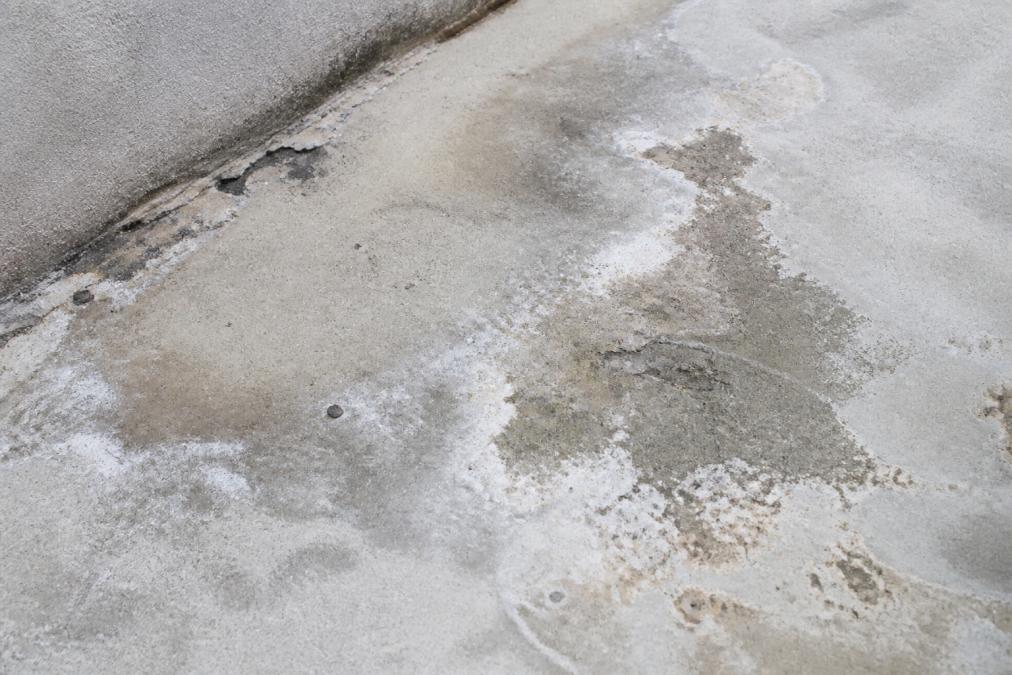
Active water damage visible on a balcony surface demands immediate attention and waterproofing intervention. Efflorescence, the white, chalky deposits that appear on concrete, indicates water is moving through the concrete and carrying minerals to the surface. This is an early warning sign that moisture is penetrating deeper into the structural system.
Concrete spalling, where the surface flakes or chunks away, shows that water has already entered the concrete and is causing internal deterioration. Once spalling begins, the structural integrity of the balcony deck is compromised, and waterproofing alone won’t address the damage, you’ll need concrete repair alongside waterproofing.
Water staining on the soffit or ceiling of the unit below your balcony is a critical indicator that the waterproofing membrane has failed completely.
New Construction vs. Repair: Cost Comparison
Waterproofing new construction balconies costs substantially less than retrofitting existing balconies because the work happens during the initial build phase when structural access is straightforward and surface preparation is minimal. New concrete or substrate is clean and properly graded for drainage, eliminating expensive remedial work. Waterproofing membranes can be installed before other finishes are applied, avoiding the need to remove and replace existing materials.
DIY vs. Professional Waterproofing: What You Actually Save
Many property owners consider DIY waterproofing to reduce costs, but the reality is that balcony waterproofing requires specialized knowledge and equipment that most property managers don’t possess. Surface preparation is the most critical step in waterproofing success, if the substrate isn’t properly cleaned, primed, and graded for drainage, the waterproofing membrane will fail prematurely regardless of material quality.
Professional waterproofing typically costs 15-25% more than DIY materials alone, but when you factor in warranty protection, liability coverage, and the cost of fixing failed DIY work, professional installation is almost always the more economical choice for multi-unit buildings.
Conclusion
Balcony waterproofing costs in 2026 reflect the complexity of protecting structural systems from water intrusion while meeting California’s SB 326 inspection mandates. Whether you’re managing a small 12-unit building in San Diego or a larger residential complex, understanding the cost drivers, system type, surface condition, climate exposure, and local labor rates, helps you budget accurately and make decisions that protect your residents and assets.
Frequently Asked Questions
How much does balcony waterproofing cost per square foot in 2026?
Balcony waterproofing costs range widely based on system type, material selection, and regional labor rates. Elastomeric coatings typically fall at the lower end, while advanced waterproofing membranes and structural repairs command higher per-square-foot pricing. Surface preparation, drainage slope correction, and existing water damage significantly impact final costs. Request quotes from licensed contractors to get accurate pricing for your specific property and condition.
What factors have the biggest impact on waterproofing project costs?
The primary cost drivers are balcony size and square footage, existing structural damage requiring remediation, surface preparation complexity, material selection (membrane type, UV resistance, slip-resistant finishes), labor rates in your region, permit fees, and curing time for polyurethane sealants or acrylic modified cement products. Properties with prior water intrusion or concrete spalling face higher costs due to sub-surface drainage work and structural repairs before waterproofing can begin.
Are professional waterproofing services required for SB 326 and SB 721 compliance?
SB 326 and SB 721 mandate structural inspections by licensed inspectors to identify water damage, moisture barriers, and balcony integrity issues. While the laws focus on inspection and reporting, professional waterproofing repairs are typically required once damage is documented. Attempting DIY waterproofing on multi-unit residential buildings creates liability risks and may not meet building code compliance standards. Professional contractors ensure proper material overhead, curing protocols, and warranty coverage.
What are the most common signs that a balcony needs immediate waterproofing repairs?
Visible water staining, concrete spalling, efflorescence (white mineral deposits), soft or deteriorating concrete, rust stains from rebar, pooling water that doesn’t drain, and interior water damage directly below the balcony are critical warning signs. Cracks wider than 1/8 inch, peeling coatings, and mold growth indicate moisture barrier failure. If you notice these signs, schedule a professional balcony inspection immediately to assess structural integrity and prevent further water intrusion.