How to Prepare for SB 721 Site Visit: A 2026 Checklist
Prepare for SB 721 site visit with our step-by-step checklist. Learn what inspectors look for, common issues, and how to minimize disruption. Get ready.
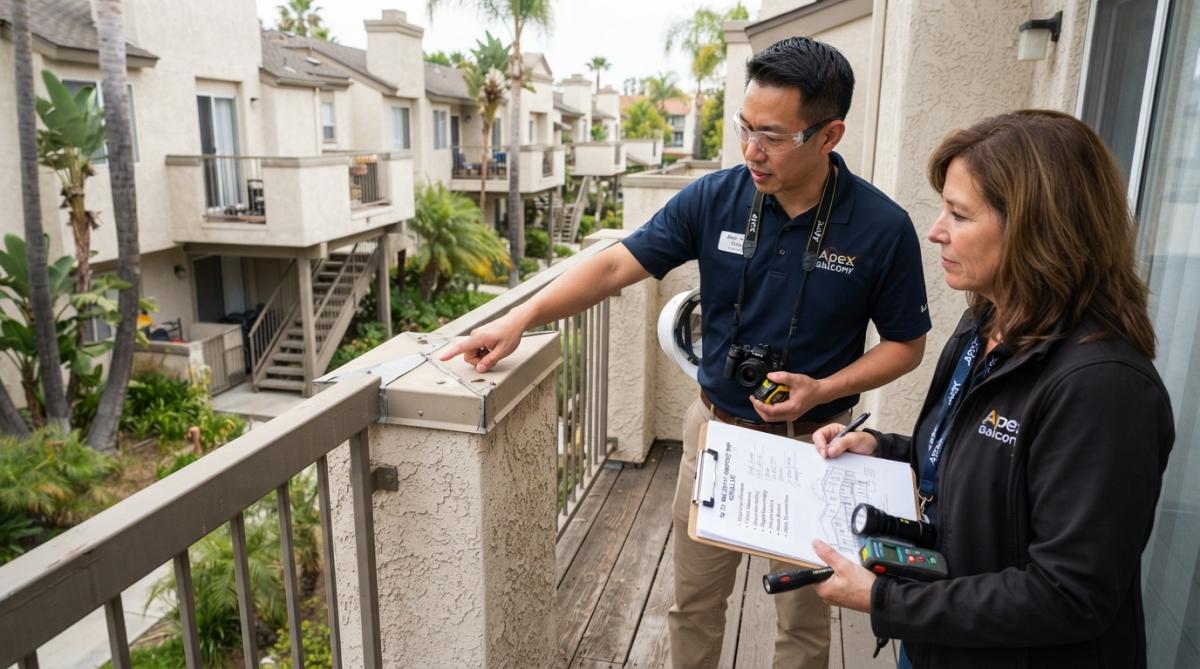
Table of Contents
- Understanding SB 721 and Your Obligations
- Key Deadlines and Compliance Dates for SB 721
- Pre-Inspection Maintenance Checklist: How to Prepare for SB 721
- Vetting and Selecting Qualified SB 721 Inspectors
- Common Issues Found During SB 721 Inspections
- SB 721 Repair Timelines and Next Steps After Inspection
- Tenant Communication and Minimizing Disruption
- Budgeting and Cost Estimation for Inspections and Repairs
How to Prepare for SB 721 Site Visit: A 2026 Checklist
Last Updated: July 29, 2026
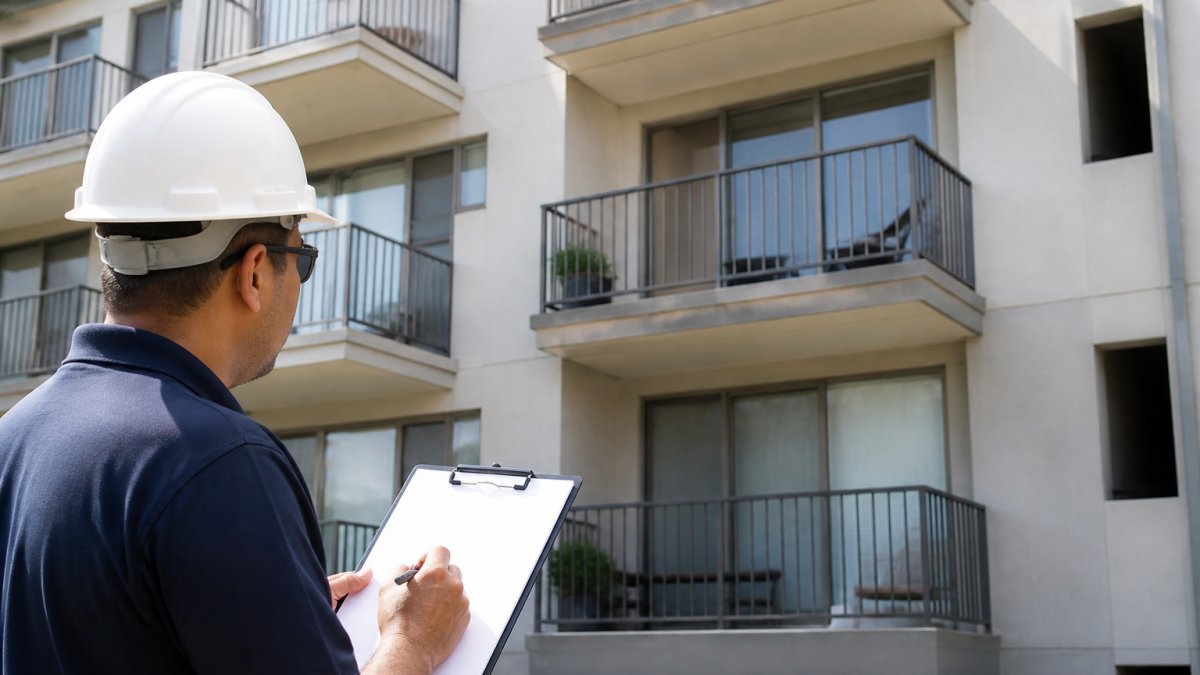
California property owners managing multifamily buildings face an urgent compliance deadline. SB 721 requires comprehensive inspections of exterior elevated elements by January 1, 2026. Learning how to prepare for SB 721 site visit is essential to avoid fines and protect residents. At Apex Balcony, we’ve guided hundreds of building owners through this process. The difference between a smooth inspection and a chaotic one comes down to preparation.
Understanding SB 721 and Your Obligations
SB 721 is California’s requirement that all multifamily residential buildings with exterior elevated elements undergo a mandatory structural safety inspection. Passed in response to high-profile balcony collapses, including the tragic 2015 Berkeley incident that killed six people, this law mandates that property owners ensure balconies, decks, stairways, and other elevated components meet safety standards. The law applies to buildings with three or more residential units.
The regulation targets Exterior Elevated Elements (EEE): any balcony, deck, stairway, or similar structure attached to a building that is elevated above ground level. The inspection focuses on structural integrity, waterproofing, and early signs of failure like dry rot, termite damage, and corrosion.
California Civil Code Section 5551 defines the requirements in detail. Property owners who fail to comply face potential fines from local building departments and legal liability if someone is injured due to a structural failure that could have been identified during inspection.
Buildings Subject to SB 721 Inspection
The law applies to multifamily residential buildings with three or more units that have exterior elevated elements. Single-family homes, duplexes, and commercial buildings are exempt. Condominiums, apartment complexes, mixed-use buildings with residential units, and HOA-governed properties all fall within scope.
Key Deadlines and Compliance Dates for SB 721
The compliance deadline is January 1, 2026. This is a hard legal deadline. After the initial inspection, repair timelines depend on severity. Immediate safety hazards must be addressed urgently, sometimes within days. Significant defects typically require repairs within 180 days.
Many property owners wait until November or December 2025 to schedule inspections, creating a bottleneck. Schedule now to ensure your inspection happens well before the deadline.
Pre-Inspection Maintenance Checklist: How to Prepare for SB 721
Preparing your property before the inspector arrives makes the inspection process efficient and minimizes disruption to residents.
Document Current Conditions
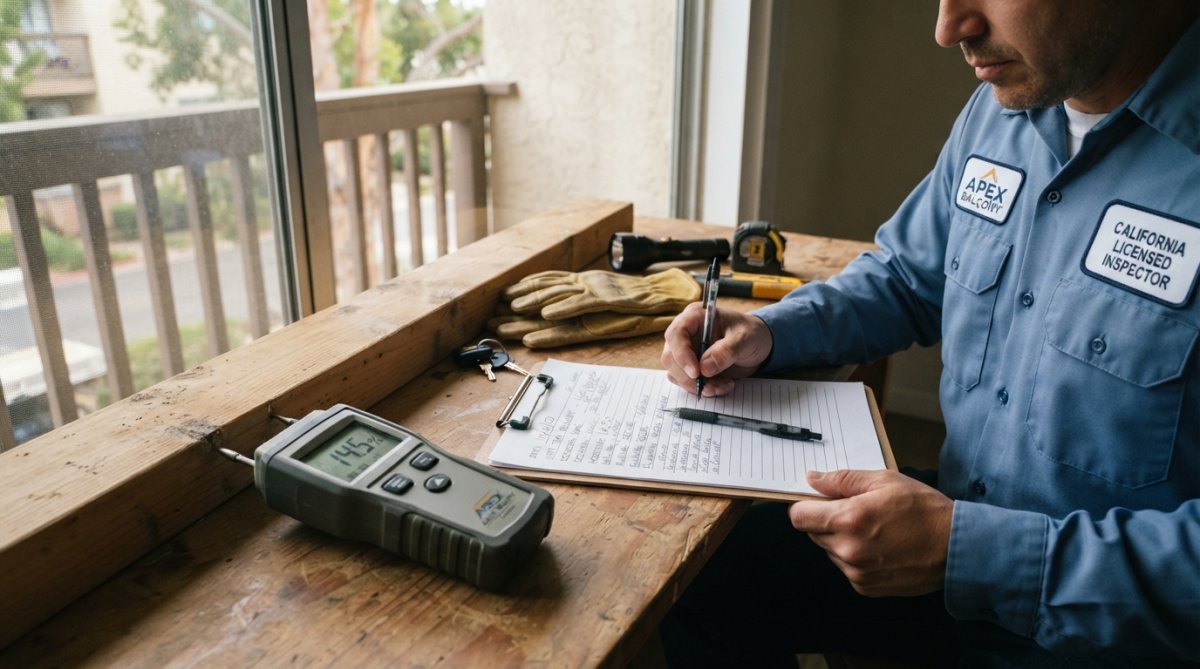
Take photographs and videos of all exterior elevated elements from multiple angles. Capture overall condition, close-ups of visible cracks, staining, or deterioration, and document railings, fasteners, and connections. Walk through your building with a checklist and note obvious issues: peeling paint, water stains, loose boards, missing caulk, or visible rust. Create a simple spreadsheet listing each balcony by unit number with known issues or maintenance history.
Address Obvious Safety Hazards
Remove stored items, grills, or furniture from balconies that might obstruct the inspector’s access. Clear debris, leaves, and standing water. Check that all balcony doors and gates can be opened without force. Ensure adequate lighting and clear any vegetation growing against or under balconies.
Ensure Inspector Access
Provide clear, unobstructed access to all exterior elevated elements. Coordinate with building management to ensure doors are unlocked and pathways are clear. Brief your residents ahead of time with a notice explaining the mandatory safety inspection. If your building has restricted access areas, arrange for a staff member to accompany the inspector.
Vetting and Selecting Qualified SB 721 Inspectors
Choosing the wrong professional can result in an incomplete inspection, missed defects, or a report that doesn’t satisfy local building departments.
Verify Credentials and Licensing
A qualified SB 721 inspector must be a licensed architect or licensed engineer in California. Verify the inspector’s license with the California Architects Board or the California Professional Engineers Board before hiring. Ask for proof of insurance, including general liability and workers’ compensation coverage. Request references from other building owners in your area.
At Apex Balcony, our team consists of licensed professionals with decades of combined construction and design experience. We specialize in SB 721 and SB 326 compliance and use specialized equipment, moisture meters, infrared cameras, and other diagnostic tools, to identify defects that visual inspection alone might miss.
Ask the Right Questions
How many SB 721 inspections have you completed? You want someone with practical experience with this specific requirement.
What equipment do you use? A thorough inspection requires moisture meters to detect hidden water intrusion, infrared cameras to identify temperature anomalies, and potentially other diagnostic tools.
How do you determine sample size and testing methodology? SB 721 requires a statistically significant sample with 95% confidence level.
What’s included in your report? The compliance report must satisfy your local building department. Ask for a sample report so you can see the level of detail, including photographs, specific findings, and clear repair recommendations.
What’s your timeline and cost? Get a clear estimate for the inspection fee.
A common mistake is hiring the cheapest inspector available. Saving a few hundred dollars on the inspection fee can cost you tens of thousands if critical defects are missed. Invest in a qualified professional.
Common Issues Found During SB 721 Inspections
Understanding what inspectors typically find helps you prepare mentally and financially for potential repairs.
Structural and Material Defects
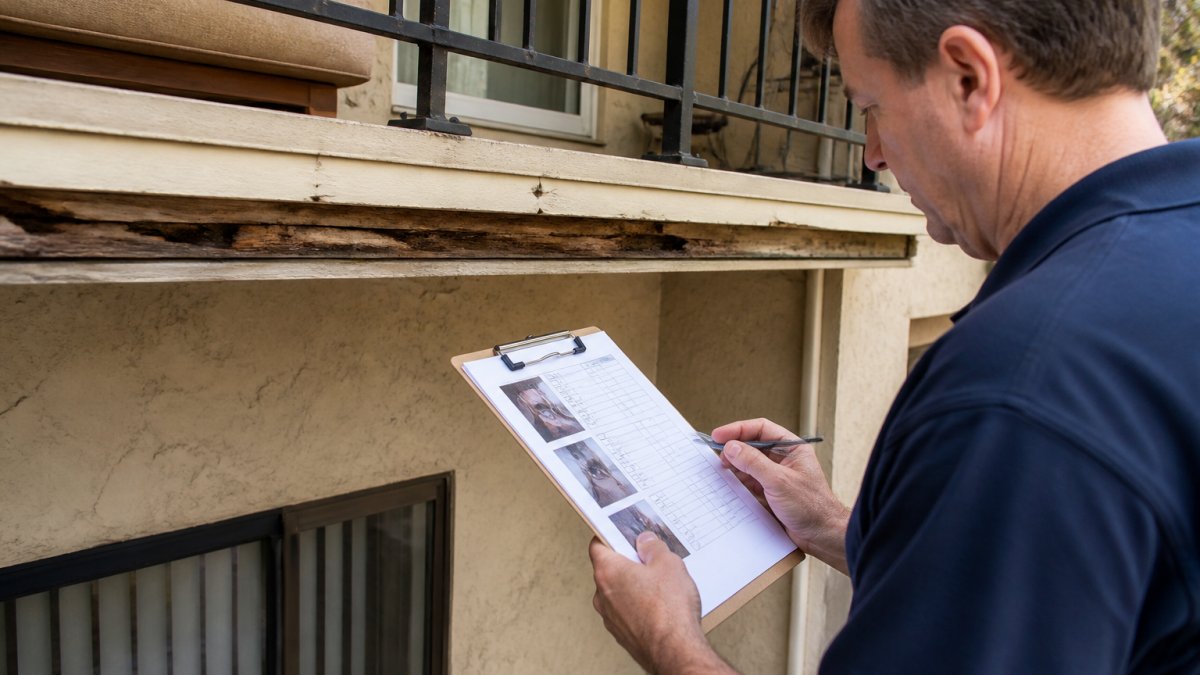
Dry rot is the most common finding in California multifamily buildings. Wood balconies and decks are vulnerable to moisture intrusion, and once rot begins, it spreads silently inside the structure. A moisture meter can detect rot before it becomes visible.
Corroded fasteners and connections are another frequent issue. Bolts, lag screws, and metal brackets exposed to weather corrode over time, weakening the structural connection between the balcony and the building.
Cracked or spalling concrete is common in older buildings. Concrete balconies develop cracks that allow water to penetrate, leading to rebar corrosion and structural deterioration.
Waterproofing and Moisture Problems
Failed waterproofing membranes are endemic. Water seeps through cracks, around fasteners, and under flashing, creating hidden moisture that rots wood, corrodes metal, and damages the structure beneath the balcony.
Improper drainage is related but distinct. Even if waterproofing is intact, if the balcony surface doesn’t slope properly or if drainage holes are blocked, water pools and eventually penetrates joints and connections.
Termite damage is particularly insidious because it’s invisible until extensive. Termites tunnel through wood, leaving hollow galleries that weaken structural members.
Before your inspection, clear any vegetation touching or growing under balconies. Termites and carpenter ants use plants as highways to reach wood structures.
SB 721 Repair Timelines and Next Steps After Inspection
Once the inspection is complete, you’ll receive a compliance report detailing all findings.
Understanding the Compliance Report
The report will categorize findings by severity: immediate hazards, significant defects, and minor issues. Immediate hazards pose imminent risk to safety and must be addressed urgently. Significant defects require repair but don’t pose immediate danger and typically have a 180-day repair timeline. Minor issues have longer timelines.
Planning Repairs Based on Hazard Level
Immediate hazards require action before the property can be considered compliant. Contact a licensed contractor immediately and begin repair work. Document all repairs with photographs and receipts.
For significant defects, develop a repair plan and timeline. Keep detailed records of all repair work. When repairs are complete, have your contractor provide a completion report that references the original inspection findings.
Tenant Communication and Minimizing Disruption
Send residents a notice at least two weeks before the inspection explaining what will happen. Include the date, time window, and which units will be affected. Provide residents with a contact number or email in case they have questions. If repairs are needed, communicate the timeline clearly.
Budgeting and Cost Estimation for Inspections and Repairs
Inspection costs depend on building size, complexity, and the inspector’s experience level. Request quotes from multiple inspectors. Repair costs vary widely depending on your building’s age, condition, and repair scope. Budget conservatively; it’s better to overestimate and be pleasantly surprised than to face unexpected expenses.
Some property owners delay inspections because they fear the repair bill. This is a mistake. Delaying inspection doesn’t prevent problems from worsening; it only postpones the inevitable and increases liability risk. Consider whether your building’s reserve fund can cover anticipated repairs. If not, explore financing options; some lenders offer construction loans specifically for building repairs.
SB 721 compliance is not optional, and January 1, 2026 is not flexible. The best time to prepare is now: schedule your inspection, ensure your property is ready, and plan for repairs based on what the inspection finds. Apex Balcony specializes in helping property owners navigate this process with licensed inspectors who understand the regulatory requirements and can deliver a thorough, compliant report that satisfies local building departments.
Balcony safety failures have tragic consequences. The 2015 Berkeley collapse and the 2021 Malibu incident demonstrated that structural failure can happen without warning. SB 721 exists to prevent these tragedies by requiring regular, professional inspection of exterior elevated elements. Apex Balcony has helped hundreds of building owners complete compliant inspections using licensed architects and engineers with decades of construction and design experience. Our inspectors identify early signs of structural failure using specialized diagnostic equipment, and we deliver comprehensive compliance reports that satisfy local building departments. Don’t wait until the last minute. Book an inspection with Apex Balcony today and ensure your building is safe and compliant before the January 1, 2026 deadline.
Data Summary Table
| Preparation Task | Timeline | Frequency | Impact |
|---|---|---|---|
| Document current conditions with photos/video | 1-2 days | Once before inspection | Provides baseline; protects against disputes |
| Clear balconies and ensure access | 3-5 days | Before inspection | Enables efficient inspection; reduces delays |
| Verify inspector credentials and licensing | 1-2 weeks | Before hiring | Ensures compliance quality; reduces liability |
| Receive and review compliance report | 1-2 weeks after inspection | Once per inspection cycle | Clarifies repair scope and timeline |
| Address immediate hazards | Days to 1 week | As needed | Prevents safety liability |
| Complete significant defect repairs | 180 days | Per inspection findings | Maintains compliance status |
| Submit repair documentation | 1-2 weeks after completion | Per repair cycle | Proves compliance to building department |
Frequently Asked Questions
What is an SB 721 site visit and who needs one?
An SB 721 site visit is a mandatory inspection of exterior elevated elements (EEE), including balconies, decks, stairways, and walkways, in multifamily residential buildings. California Civil Code Section 5551 requires property owners of buildings with three or more units to conduct inspections. The inspection must be performed by a licensed architect or engineer and examines structural integrity, waterproofing, and load-bearing components to identify safety hazards before they become dangerous.
What qualifications should a qualified SB 721 inspector have?
A qualified SB 721 inspector must hold a valid California license as either a licensed architect or licensed engineer. They should have specialized experience with multifamily building inspections and familiarity with the California Building Code and local building department requirements. Ask prospective inspectors about their experience with selective demolition, moisture meters, infrared cameras, and statistically significant sampling at the 95% confidence level, these are standard tools and methodologies for thorough EEE assessment.
What common issues are found during SB 721 inspections?
Common issues identified during SB 721 inspections include dry rot, termite damage, failed waterproofing membranes, rust in steel components, wood deterioration, cracked concrete, and compromised fasteners. Moisture damage is particularly prevalent due to failed sealants and flashing. Many inspectors discover that load-bearing components have been weakened by water infiltration over time. Understanding these typical findings helps property owners budget for repairs and prioritize maintenance before the inspection occurs.
What are the SB 721 repair timelines after inspection?
SB 721 repair timelines depend on the severity of identified hazards. Immediate safety hazards must be addressed urgently to prevent resident injury, while non-critical issues typically have 90 days to one year for remediation depending on local building department guidance. The compliance report will categorize findings by urgency level. Property owners must document all repairs and submit proof to the local building department within the required timeframe to maintain compliance and avoid enforcement action.
EXTERNAL SOURCES CITED:
[EXTERNAL_LINK: California Civil Code Section 5551 requirements for balcony inspections | leginfo.legislature.ca.gov]
[EXTERNAL_LINK: California Building Standards Commission guidance on SB 721 compliance | cbsc.bca.ca.gov]
[EXTERNAL_LINK: National Association of Home Builders standards for exterior elevated elements | nahb.org]