SB 326 vs SB 721: Key Differences Explained
Understand the difference between SB 326 and SB 721 California balcony laws. Compare inspection requirements, deadlines, and compliance obligations for.
Table of Contents
- What Is SB 326? Understanding California’s First Balcony Safety Law
- What Is SB 721? The Expanded Inspection Mandate
- Key Differences Between SB 326 and SB 721
- SB 326 Inspection Deadline: What Property Owners Need to Know
- SB 721 Compliance Checklist for Property Managers and HOA Boards
- Hiring a Structural Engineer for Balcony Inspection: Key Qualifications
- Common Compliance Mistakes and How to Avoid Them
- Conclusion: Staying Compliant with Both SB 326 and SB 721
Last Updated: July 11, 2026
Understanding the difference between SB 326 and SB 721 is critical for California property owners, HOA boards, and building managers navigating evolving balcony safety requirements. These two Senate Bills represent distinct regulatory phases in California’s approach to exterior elevated element (EEE) inspection and maintenance. The distinction between them determines your inspection timeline, scope, and qualified inspector requirements.
What Is SB 326? Understanding California’s First Balcony Safety Law
Senate Bill 326, signed into law in 2018, established the first statewide mandate for balcony inspections in California, triggered by a series of tragic balcony collapses in the Bay Area.
SB 326 applies to common interest developments (CIDs), primarily condominiums and HOA-governed properties with three or more residential units. The law requires visual inspections of balconies and other exterior elevated elements to identify structural decay, water intrusion, and safety hazards.
Scope and Applicability of SB 326
SB 326 focuses on balconies, decks, and similar cantilevered structures attached to residential buildings in multifamily dwellings and common interest developments with at least three units. Single-family homes, even in HOAs, are generally exempt unless the balcony is part of a shared common area.
The law requires a visual inspection by a licensed architect or structural engineer. Property managers and HOA boards must document findings and create a maintenance plan for any identified defects. Importantly, SB 326 mandates inspection and disclosure, not repair, though significant structural defects typically require remediation within a specific timeframe under California Civil Code.
SB 326 Inspection Requirements and Timeline
The initial inspection deadline was January 1, 2025, for buildings constructed before January 1, 2018. The law established a nine-year reinspection cycle, meaning most properties must undergo follow-up inspections every nine years from their initial assessment date.
The inspection must cover load-bearing components, waterproofing systems, fasteners, and structural connections, documenting visible signs of dry rot, termite damage, corrosion, and water infiltration. The report becomes part of the property’s permanent record and must be disclosed to current and prospective residents.
What Is SB 721? The Expanded Inspection Mandate
Senate Bill 721, enacted in 2022, significantly expanded California’s balcony safety framework. Where SB 326 applied only to common interest developments, SB 721 extends the inspection requirement to all residential buildings with exterior elevated elements, including apartment buildings, condos, and rental properties.
SB 721 is broader in scope and stricter in enforcement, applying to any building with three or more residential units where exterior elevated elements exist, regardless of HOA status.
Scope and Applicability of SB 721
The critical difference is coverage: SB 721 applies to multifamily residential buildings, apartments, condos, and rental complexes with three or more units. The law includes not just balconies but also decks, walkways, stairways, and any other exterior elevated elements accessible to residents or the public.
SB 721 also introduced stricter standards for qualified inspectors. While SB 326 allowed licensed architects or structural engineers, SB 721 requires inspectors to have specific training or experience in balcony inspections, ensuring they understand unique failure modes and can identify early-stage deterioration.
SB 721 Inspection Requirements and Timeline
SB 721 inspection deadlines depend on construction date and prior inspection history. For buildings that completed an SB 326 inspection, the first SB 721 inspection is due six years after the SB 326 inspection (or by January 1, 2025, whichever is later). For buildings never inspected, the deadline is January 1, 2025. Reinspection cycles under SB 721 are six years, making compliance more frequent than SB 326’s nine-year cycle.
SB 721 also introduced more detailed documentation requirements. Inspectors must photograph defects, provide detailed descriptions, and classify defects by severity level. Property owners must provide a timeline for remediation.
Key Differences Between SB 326 and SB 721
The difference between SB 326 and SB 721 extends across applicability, inspection frequency, inspector qualifications, and enforcement mechanisms.
Comparison Table: SB 326 vs SB 721
| Aspect | SB 326 | SB 721 |
|---|---|---|
| Applicability | Common Interest Developments (HOAs, condos) only | All multifamily residential buildings with 3+ units |
| Effective Date | January 1, 2019 | January 1, 2024 |
| Initial Deadline | January 1, 2025 (for pre-2018 buildings) | January 1, 2025 |
| Reinspection Cycle | 9 years | 6 years |
| Qualified Inspector | Licensed architect or structural engineer | Licensed professional with balcony inspection experience |
| Scope | Balconies, decks, elevated structures | Balconies, decks, walkways, stairways, all EEE |
| Documentation | Visual inspection report | Detailed report with photos and severity classification |
| Repair Mandate | Disclosure only; repair follows Civil Code | Disclosure with repair timeline required |
Exterior Elevated Elements (EEE) Definition Under Each Law
Both laws define exterior elevated elements, but SB 721’s definition is more expansive. Under SB 326, EEE typically includes balconies and cantilevered decks. SB 721 broadens this to include any structural element elevated above grade that provides access or egress for residents, including stairways, elevated walkways, and deck-like structures serving common areas. Properties that believed they had no EEE under SB 326 may discover they do under SB 721, triggering new inspection obligations.
Applicability: Who Must Comply with Each Law
SB 326 applies to common interest developments, primarily condominiums and HOA-managed properties with three or more residential units. Apartment buildings owned by a single entity were exempt unless they voluntarily complied.
SB 721 changed this landscape. All multifamily residential buildings with three or more units must comply, regardless of ownership structure or HOA status, including apartment complexes, condominium buildings, mixed-use buildings with residential components, and some rental properties. Single-family homes and duplexes remain exempt.
SB 326 Inspection Deadline: What Property Owners Need to Know
Most properties subject to SB 326 have already passed their initial inspection deadline (January 1, 2025). If your building completed an inspection in 2024 or early 2025, your next reinspection is due nine years from that date.
However, many property owners are now navigating the transition from SB 326 to SB 721. If your building is subject to both laws, the SB 721 deadline takes precedence. The six-year SB 721 cycle supersedes the nine-year SB 326 cycle, meaning you’ll be inspecting more frequently under the newer law.
Property managers should document the exact date of their most recent inspection and calculate both reinspection dates. Failure to meet inspection deadlines can result in citations from the California Department of Consumer Affairs, fines, and legal liability if a balcony failure occurs and the property was not in compliance.
Missing an SB 326 or SB 721 inspection deadline exposes your property to regulatory fines and potential personal liability for building officials and HOA board members if a structural failure occurs. Document your inspection date immediately and set a calendar reminder for your next reinspection cycle.
SB 721 Compliance Checklist for Property Managers and HOA Boards
Ensuring compliance with SB 721 requires a structured approach:
Pre-Inspection Planning:
- Identify all exterior elevated elements on your property
- Determine your building’s construction date and prior inspection history
- Calculate your SB 721 inspection deadline
- Obtain copies of any prior inspection reports
Selecting a Qualified Inspector:
- Verify the inspector holds a current California license
- Confirm documented experience with balcony inspections
- Request references from other properties
- Clarify scope of work in writing
During the Inspection:
- Ensure access to all exterior elevated elements
- Request photographs and detailed written descriptions
- Ask the inspector to classify defects by severity
- Obtain a timeline for report delivery
Post-Inspection:
- Review the report carefully
- Obtain repair estimates for identified defects
- Create a remediation timeline and budget
- Document all repairs and maintain records
- Notify residents of findings as required by law
Critical Inspection Points for SB 721 Compliance
SB 721 inspectors focus on specific structural and material conditions:
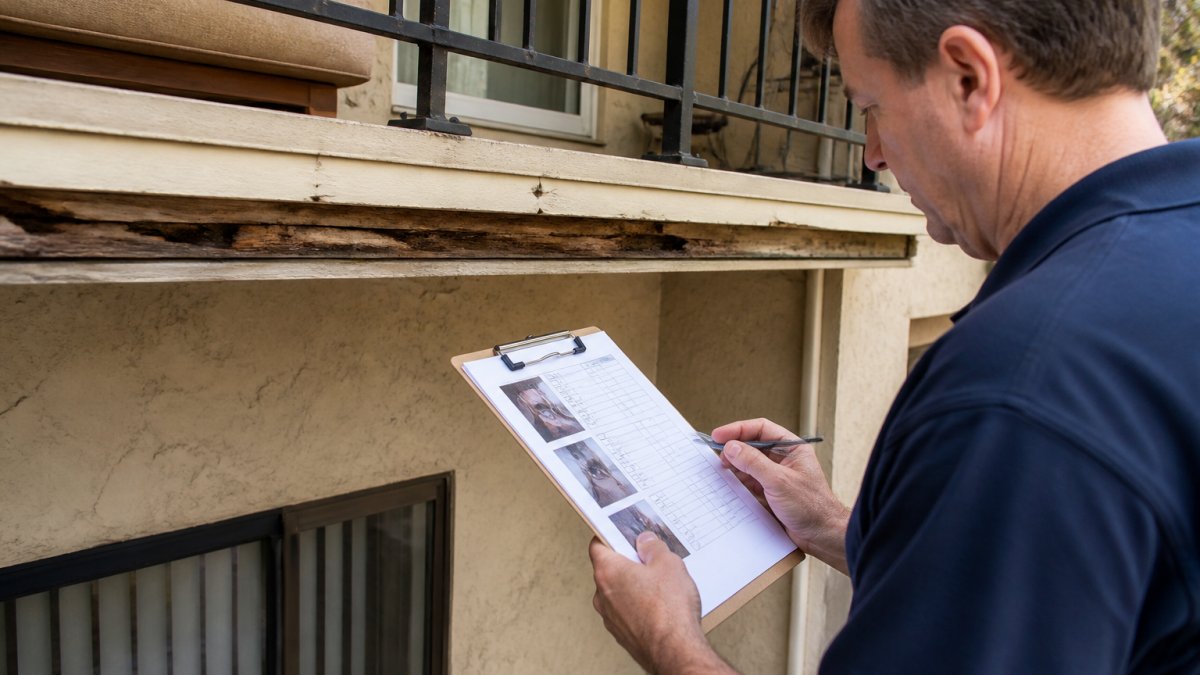
Waterproofing and Moisture Intrusion: Water is the primary enemy of exterior elevated elements. Inspectors examine membranes, sealants, and flashing for deterioration, as water intrusion leads to dry rot in wood and corrosion in metal fasteners.
Fastener Condition: Bolts, nails, and screws corrode over time, particularly in coastal areas. Corroded fasteners lose structural capacity and can fail suddenly.
Load-Bearing Components: Wood beams, columns, and connections are assessed for rot, insect damage, and structural integrity. Metal components are checked for rust and fatigue cracks.
Connections and Joints: The points where balconies attach to the main building structure are critical failure points.
Documentation and Record-Keeping Requirements
SB 721 mandates detailed documentation. Property owners must maintain inspection reports, photographs, and repair records for the life of the building. At minimum, keep the original inspection report with photographs, severity classifications, repair estimates and work orders, proof of completion for all repairs, and follow-up inspections if defects were significant.
Create a dedicated folder for each exterior elevated element on your property. Store the inspection report, photos, repair records, and maintenance logs together for easy tracking and quick access during reinspections.
Hiring a Structural Engineer for Balcony Inspection: Key Qualifications
Not all structural engineers are equally qualified to perform SB 326 and SB 721 inspections.
Licensed Professionals Required Under SB 326 and SB 721
SB 326 requires inspections by a licensed architect or structural engineer. SB 721 raised the bar, requiring inspectors to have specific experience with balcony and exterior element inspections. The ideal inspector should have a current California professional license, at least 5 years of experience with residential balcony inspections, familiarity with common failure modes, knowledge of California Building Code requirements, and experience writing detailed inspection reports with clear severity classifications.
When requesting proposals, ask inspectors about their specific experience with balcony inspections, types of buildings, and failure modes encountered.
What to Expect During a Professional Inspection
A thorough SB 721 inspection typically takes 4-8 hours for a moderate-sized building. The inspector will conduct a visual assessment of all balconies and elevated elements, photograph all defects, document findings with severity classifications, perform measurements and testing for significant defects, and deliver a comprehensive report within 2-4 weeks.
The cost of an SB 721 inspection varies by building size and complexity. Obtain multiple quotes to compare pricing.
A qualified inspector brings expertise that property managers lack. They can identify early-stage deterioration that untrained eyes might miss, potentially saving thousands in future [repair costs](/hoa-reserve-study-balcony-repair-costs/) and preventing safety hazards.
Common Compliance Mistakes and How to Avoid Them
Mistake 1: Assuming SB 326 Compliance Means SB 721 Compliance
SB 721 is a separate mandate with different deadlines, scopes, and requirements. Even if you completed an SB 326 inspection, you must also schedule an SB 721 inspection by the applicable deadline.
Mistake 2: Hiring Unqualified Inspectors
Choosing an inspector based primarily on cost is a false economy. An unqualified inspector may miss critical defects or provide an incomplete report that doesn’t satisfy legal requirements.
Mistake 3: Delaying Repairs
Defects worsen over time. What might cost $5,000 to repair becomes a $20,000 emergency. Failing to repair identified defects within a reasonable timeframe may violate Civil Code requirements.
Mistake 4: Not Communicating with Residents
Property owners are required to disclose inspection findings to residents. Withholding information violates the law and can result in regulatory action.
Mistake 5: Poor Record-Keeping
Maintain organized, accessible documentation from day one. If you can’t produce your inspection report and repair records when asked, you can’t prove compliance.
Mistake 6: Confusing SB 326 and SB 721 Timelines
The difference between nine-year and six-year inspection cycles confuses many property managers. Create a detailed timeline for your property and set reminders well in advance.
Conclusion: Staying Compliant with Both SB 326 and SB 721
California’s balcony safety laws reflect the state’s commitment to preventing structural failures and protecting residents. If your building has three or more residential units and exterior elevated elements, you’re likely subject to one or both laws. Calculate your inspection deadlines, hire a qualified inspector, document findings thoroughly, and address defects promptly. Compliance requires planning, but the alternative, facing fines, liability, or a preventable structural failure, is far more costly.
Frequently Asked Questions
What is the main difference between SB 326 and SB 721?
SB 326, enacted in 2018, requires triennial (three-year) inspections of exterior elevated elements in multifamily dwellings. SB 721, passed in 2020, expanded this mandate to include additional property types and structural components. The key difference between SB 326 and SB 721 is scope: SB 721 covers more buildings and requires inspection of a broader range of exterior elevated elements, including balconies, decks, stairs, and load-bearing components. SB 721 also mandates more frequent inspections in certain cases and stricter documentation requirements.
Which buildings are subject to SB 326 versus SB 721 compliance?
SB 326 applies to multifamily dwellings with three or more units. SB 721 covers the same properties as SB 326 but also extends to condominiums, common interest developments, and apartment buildings with specific structural configurations. If your property is subject to SB 326, it is also subject to SB 721 requirements. However, SB 721 may apply to additional property types that fall outside SB 326's original scope. Consult a qualified structural engineer or property manager to determine which law applies to your specific building.
What inspection deadlines apply under SB 326 versus SB 721?
SB 326 required an initial inspection by January 1, 2020, with subsequent inspections every three years. SB 721 inspection deadlines depend on the findings of the initial assessment. If structural damage is identified, follow-up inspections may be required sooner than three years. The SB 326 inspection deadline was January 1, 2020, while SB 721 deadlines vary based on condition assessments. Property owners should verify their specific deadline with a licensed inspector, as penalties for non-compliance include fines and potential legal liability.
Who qualifies as a licensed professional to perform SB 326 and SB 721 inspections?
Both SB 326 and SB 721 require inspections by licensed architects or structural engineers with specific expertise in building safety and structural integrity. These professionals must be able to identify safety hazards, dry rot, termite damage, corrosion, and other load-bearing component issues. When hiring a structural engineer for balcony inspection, verify their California licensure and experience with exterior elevated elements. Apex Balcony's licensed inspectors bring decades of construction and design experience to ensure thorough, compliant assessments of all balconies, decks, and stairways.