SB 721 Balcony Inspection Requirements: Complete 2024 Guide
SB 721 balcony inspection requirements explained. Learn deadlines, qualified inspectors, costs, and compliance steps. Discover what you need to know.
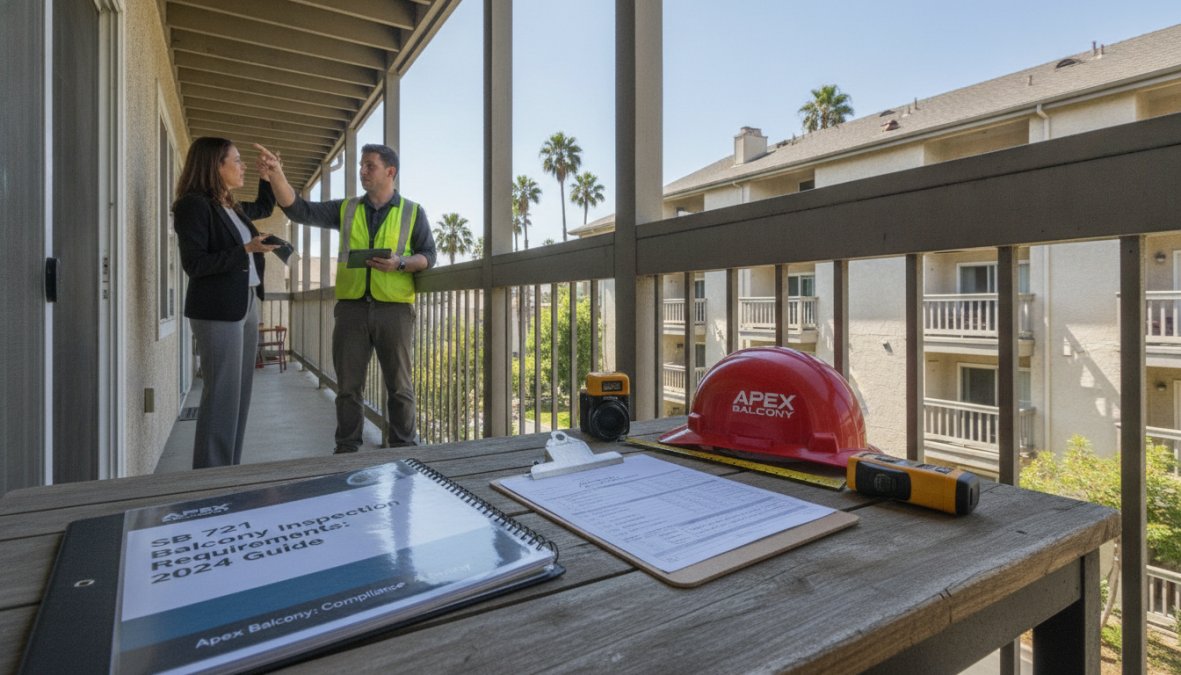
Table of Contents
- What Is SB 721 and Why Balcony Inspections Matter
- SB 721 Balcony Inspection Requirements and Frequency
- Hiring a Qualified SB 721 Inspector
- SB 721 Inspection Checklist and Documentation
- SB 721 Repair Timeline and Compliance Deadlines
- SB 721 Penalties for Non-Compliance
- SB 721 vs. SB 326: Key Differences
- Cost Estimation and Insurance Implications
Last Updated: July 10, 2026
What Is SB 721 and Why Balcony Inspections Matter
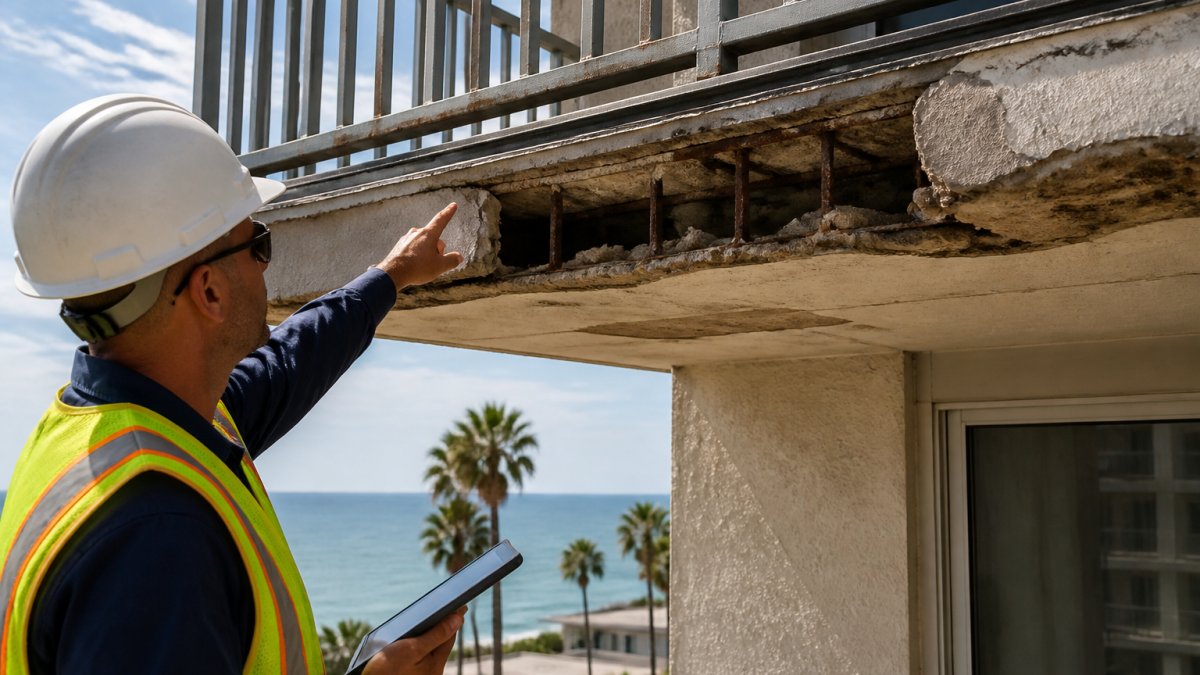
California’s SB 721 mandates comprehensive inspections of exterior elevated elements across multifamily residential buildings to identify structural failures before they become catastrophic. Enacted following tragic balcony collapses, this law fundamentally shifted property owners from reactive to preventive maintenance. Rather than waiting for visible problems, SB 721 requires proactive assessment of load-bearing components, waterproofing, flashings, and connections that can deteriorate silently over decades. Understanding SB 721 isn’t optional for multifamily property owners, the inspection cycle is rigid, penalties escalate quickly, and liability implications are severe.
Buildings Subject to SB 721
SB 721 applies to multifamily residential buildings with three or more units. Single-family homes, duplexes, and triplex properties are exempt. The definition includes apartment complexes, condominiums, and townhouse communities where three or more families live independently. Buildings constructed before January 1, 2008 face the most stringent requirements, though even newer buildings may have exterior elevated elements requiring periodic inspection.
Exterior Elevated Elements (EEEs) Defined
Exterior Elevated Elements (EEEs) are structural components that extend beyond the main building envelope and support occupancy. These include balconies, decks, stairways, landings, porches, railings, guardrails, and any other load-bearing structure attached to the building exterior that residents access. The definition is intentionally broad to capture every component that could fail and injure occupants.
Many property owners underestimate how many EEEs their buildings contain. A thorough walk-around often reveals dozens of elements requiring inspection, not just obvious balconies. Include every exterior deck, stairway, landing, and elevated walkway in your inventory.
SB 721 Balcony Inspection Requirements and Frequency
SB 721 mandates comprehensive structural inspections of all exterior elevated elements performed by a licensed professional. The inspection process involves visual examination, physical testing where necessary, and detailed documentation of findings. Inspectors evaluate load-bearing components, fasteners, waterproofing, and connections to identify deterioration, improper repairs, code violations, and structural defects.
Inspection Cycle and Six-Year Interval
The primary requirement is a comprehensive inspection every six years. Properties must complete their first inspection by January 1, 2025, or by the date specified in local ordinances, whichever is earlier. After the initial inspection, subsequent inspections follow the six-year cycle. Between comprehensive inspections, property owners must conduct annual visual assessments to document the condition of all EEEs and note any visible deterioration. Emergency inspections may be required if damage occurs from earthquakes, fires, storms, or other events.
15% Sampling Requirements
For large buildings with numerous exterior elevated elements, SB 721 permits inspecting a representative sample of at least 15% of similar elements. The sample must be selected randomly and represent the full range of construction types, ages, and conditions. If sampling reveals defects, the entire population of similar elements must be inspected to determine the full extent of needed repairs.
Selecting a biased sample violates SB 721 requirements and can result in penalties and liability exposure if defects are later discovered in uninspected elements. Random selection is mandatory.
Hiring a Qualified SB 721 Inspector
SB 721 inspections must be performed by a licensed architect, structural engineer, or civil engineer registered with the California Department of Consumer Affairs. A licensed structural engineer is typically the best choice, as they specialize in understanding how loads transfer through buildings and can assess whether an EEE can safely support its intended load.
Start by verifying credentials through the California Department of Consumer Affairs website to confirm current licensure and check for any disciplinary history. Experience with SB 721 specifically is valuable, inspectors who’ve performed dozens of these inspections understand the law’s requirements and know what defects to look for. Ask prospective inspectors how many SB 721 inspections they’ve completed and request references from property managers or building owners.
Communication matters. Your inspector should explain findings clearly, answer questions patiently, and provide actionable recommendations. Cost should be considered but not as the sole factor, an inspection that costs slightly more but provides thorough documentation is worth the premium.
SB 721 Inspection Checklist and Documentation
What Inspectors Evaluate
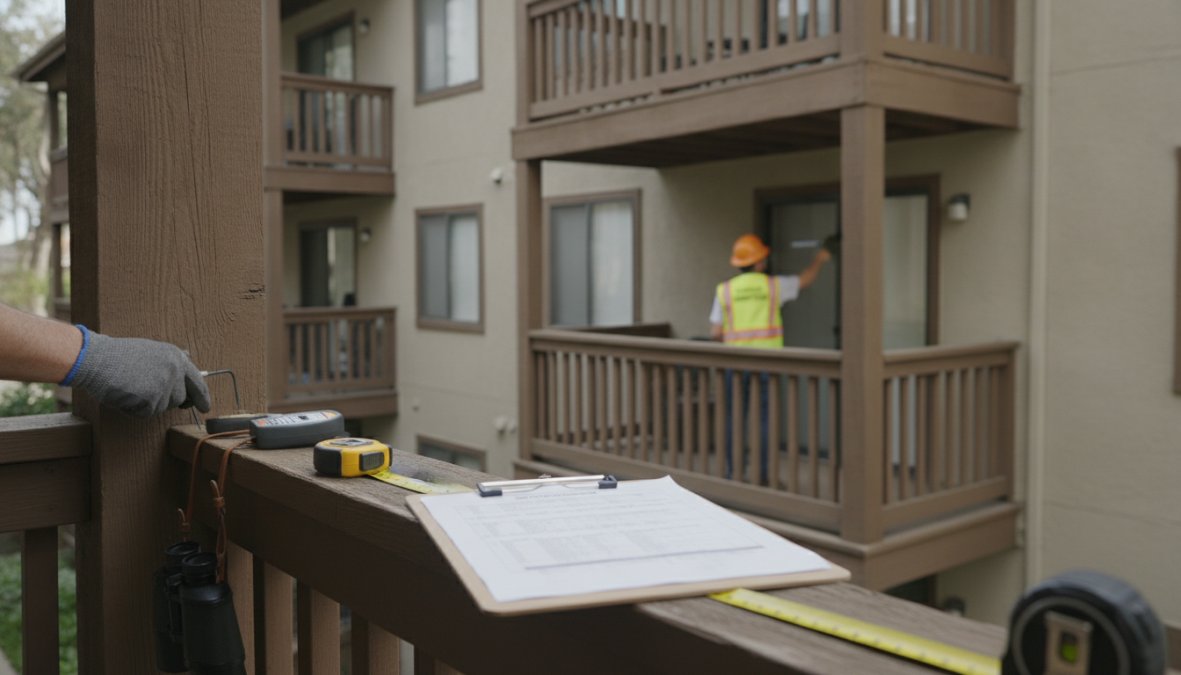
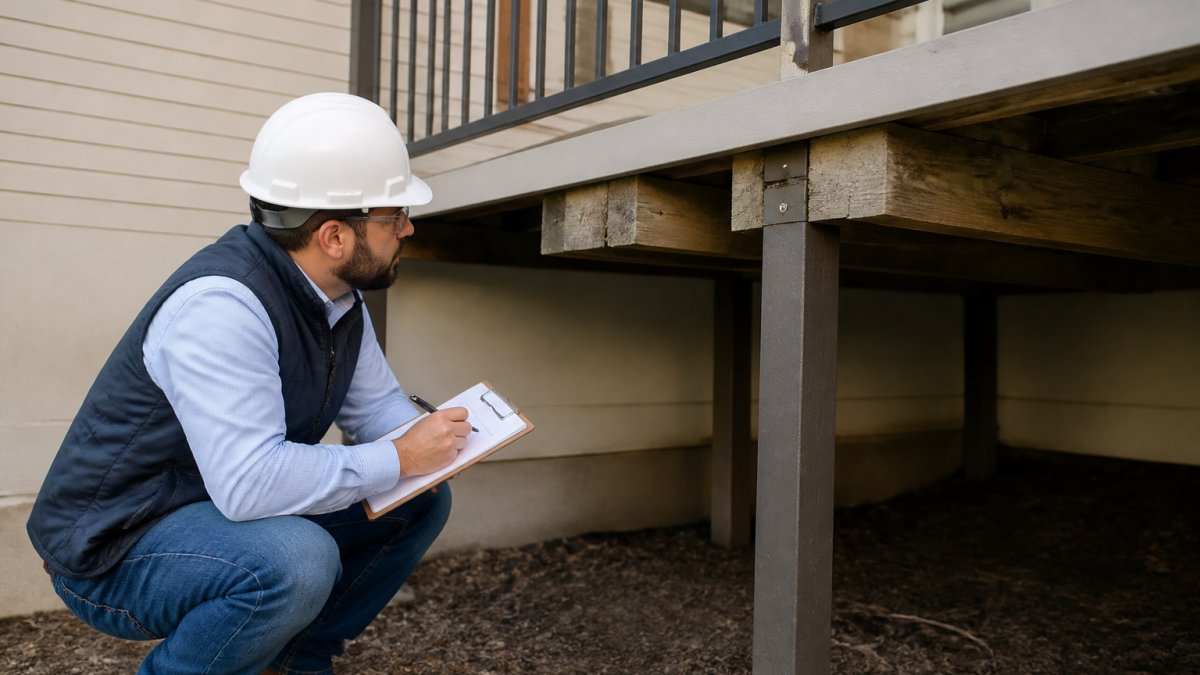
Inspectors evaluate the structural integrity of each exterior elevated element by examining all components that support occupancy and safety. For wood-frame EEEs, inspectors look for dry rot, termite damage, wood decay, and moisture intrusion. Fasteners receive careful attention, corrosion, missing fasteners, and improper connections are common defects. Waterproofing and flashings are evaluated for deterioration and failure points where water can penetrate.
Connections between the EEE and the main building structure are critical. Inspectors examine how the EEE is attached, whether fasteners are adequate, and whether the connection accommodates seasonal movement and loading. Railings and guardrails are evaluated for proper height, spacing, and structural adequacy. Concrete and masonry EEEs are examined for spalling, cracking, and reinforcing steel corrosion. Metal components are evaluated for corrosion, fatigue, and connection integrity.
Reporting and Maintenance Records
Inspectors must provide a detailed written report documenting all findings, identifying each EEE inspected, describing its condition, noting defects, and recommending repairs. Reports should be clear enough that a property owner without engineering expertise can understand the findings and their implications.
Maintenance records should track all work performed on EEEs, including routine maintenance, repairs, and replacements. Reports should include photographs of defects, measurements where relevant, and specific code references for any violations identified.
Detailed inspection reports and maintenance records are your best defense against liability claims. They demonstrate that you identified problems and took corrective action.
SB 721 Repair Timeline and Compliance Deadlines
Defects are categorized by severity. Immediate safety hazards must be addressed right away. Serious defects that threaten structural integrity must be repaired within a specified timeframe, typically 180 days. Lesser defects may have longer timelines. The initial compliance deadline for the first SB 721 inspection was January 1, 2025, for most California properties. Local jurisdictions may impose stricter timelines than the state law requires. Documentation of repair completion is essential and should be maintained with your inspection records.
SB 721 Penalties for Non-Compliance
Civil penalties start at $100 per day for failure to conduct a required inspection. Extended non-compliance results in penalties of $500 per day or more, depending on local ordinances. Beyond financial penalties, property owners face liability exposure. If an EEE fails and causes injury or death due to a defect that should have been identified in a timely inspection, the property owner may face civil litigation, criminal charges, and substantial damages.
Insurance implications are significant. Many property insurance policies exclude coverage for injuries resulting from code violations. A property owner’s failure to comply with SB 721 could leave them personally liable for damages. Local building departments can issue citations, place liens on properties, and pursue enforcement actions against non-compliant owners.
SB 721 vs. SB 326: Key Differences
SB 326 focused on waterproofing and water intrusion in multifamily residential buildings. SB 721 is broader in scope, addressing overall structural integrity of exterior elevated elements. While SB 326 focused primarily on waterproofing, SB 721 inspections evaluate load-bearing capacity, fastener adequacy, and structural connections.
The inspection frequency differs between the two laws. SB 721 establishes a uniform six-year cycle for most buildings. Both laws apply to multifamily residential buildings, and properties must comply with both. SB 721 doesn’t replace SB 326, they work together to ensure comprehensive building safety. Property owners should verify with their local building department whether their property is subject to both laws and what specific deadlines apply.
Cost Estimation and Insurance Implications
What Affects Inspection and Repair Costs
Inspection costs vary based on building size, number of EEEs, complexity of construction, and location. A small apartment building with 10-15 balconies might require a 4-6 hour inspection costing less than a large complex with 100+ balconies requiring multiple days of work.
Repair costs depend entirely on defects discovered. A building with minor waterproofing issues might need repairs costing a few thousand dollars. A building with extensive dry rot, structural defects, and connection failures could require repairs costing hundreds of thousands of dollars. Property owners should budget for both inspection and likely repairs.
Insurance Coverage and Liability
Most property insurance policies exclude coverage for defects resulting from owner negligence. If an EEE fails due to a defect that should have been identified in a timely inspection, insurance may deny coverage for resulting injuries or property damage.
Maintaining current SB 721 inspections and promptly completing repairs demonstrates due diligence. This documentation is valuable if liability disputes arise. Some insurance carriers offer premium discounts for buildings with current SB 721 compliance. Property owners should review their insurance policies to understand coverage limits and exclusions related to building code compliance.
| Aspect | Impact | Action |
|---|---|---|
| Inspection Compliance | Avoids penalties and liability | Schedule timely inspections |
| Defect Documentation | Protects against claims | Maintain detailed records |
| Repair Completion | Prevents escalating penalties | Complete repairs within deadline |
| Insurance Coverage | Ensures financial protection | Verify policy covers code violations |
SB 721 compliance is non-negotiable for multifamily property owners. The inspection requirements are clear, the deadlines are firm, and the consequences of non-compliance are severe. Apex Balcony specializes in making SB 721 compliance straightforward. Our licensed structural engineers conduct thorough inspections, provide clear reports identifying defects, and guide property owners through the repair process. Book an inspection with Apex Balcony today and take the first step toward comprehensive SB 721 compliance.
Frequently Asked Questions
What buildings are subject to SB 721 balcony inspection requirements?
SB 721 applies to multifamily residential buildings with three or more units that have exterior elevated elements (EEEs), including balconies, decks, stairs, and similar structures. Buildings constructed before January 1, 2008, are prioritized. The law focuses on structures where structural integrity issues like dry rot, termite damage, corrosion, and waterproofing failures pose safety risks to residents.
Who is qualified to perform an SB 721 inspection?
Only licensed professionals can conduct SB 721 inspections: structural engineers, civil engineers, or architects licensed in California. Some jurisdictions also accept qualified building inspectors with specific credentials. Your inspector must have experience identifying defects in load-bearing components, flashings, and waterproofing systems. When hiring a qualified SB 721 inspector, verify current licensing and ask about their experience with exterior elevated elements and similar California compliance work.
What is the SB 721 inspection checklist?
An SB 721 inspection checklist evaluates structural integrity, waterproofing and flashings, load-bearing components, connections and fasteners, surface conditions (dry rot, termite damage, corrosion), and drainage systems. Inspectors document findings in detailed reports with photographs and repair recommendations. Property owners must maintain these records and share them with residents. A comprehensive SB 721 inspection checklist ensures nothing is missed and provides documentation for compliance and future reference.
What are the penalties for non-compliance with SB 721?
SB 721 penalties for non-compliance include civil fines enforced by local jurisdictions, potential liability for injuries or property damage from failed balconies, and mandatory corrective action orders. Property owners who fail inspections must complete repairs within specified timeframes or face escalating penalties. Failure to conduct required inspections or falsify reports can result in significant fines. Compliance protects residents and shields property owners from legal liability.