Balcony Waterproofing for Multi-Family Homes: 2026 Guide
Learn why balcony waterproofing is critical for multi-family properties. Understand SB 721/326 compliance, water damage signs, and maintenance strategies.
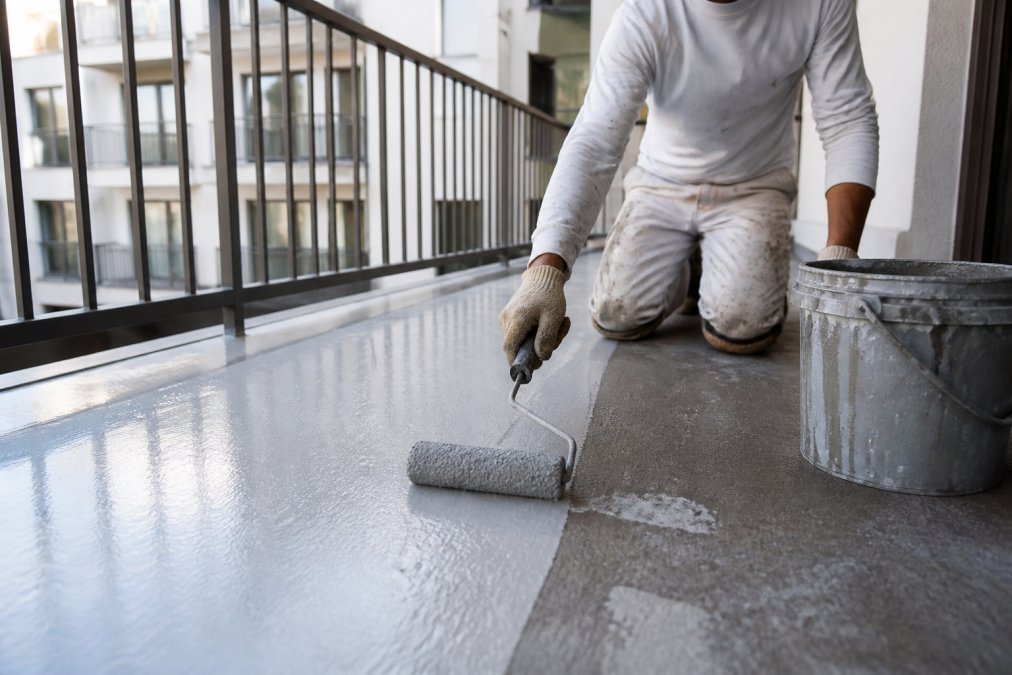
Table of Contents
- Why Balcony Waterproofing Is Essential for Multi-Family Properties
- Understanding SB 326 Inspection Requirements and Compliance
- Recognizing Signs of Balcony Water Damage Before Failure Occurs
- Common Causes of Water Intrusion in Elevated Exterior Elements
- Waterproofing Materials and Systems That Protect Your Building Envelope
- Cost of Balcony Waterproofing for HOAs: Planning and Budgeting
- Preventative Maintenance and Long-Term Property Value Protection
- Conclusion
Last Updated: August 25, 2026
Why Balcony Waterproofing Is Essential for Multi-Family Properties
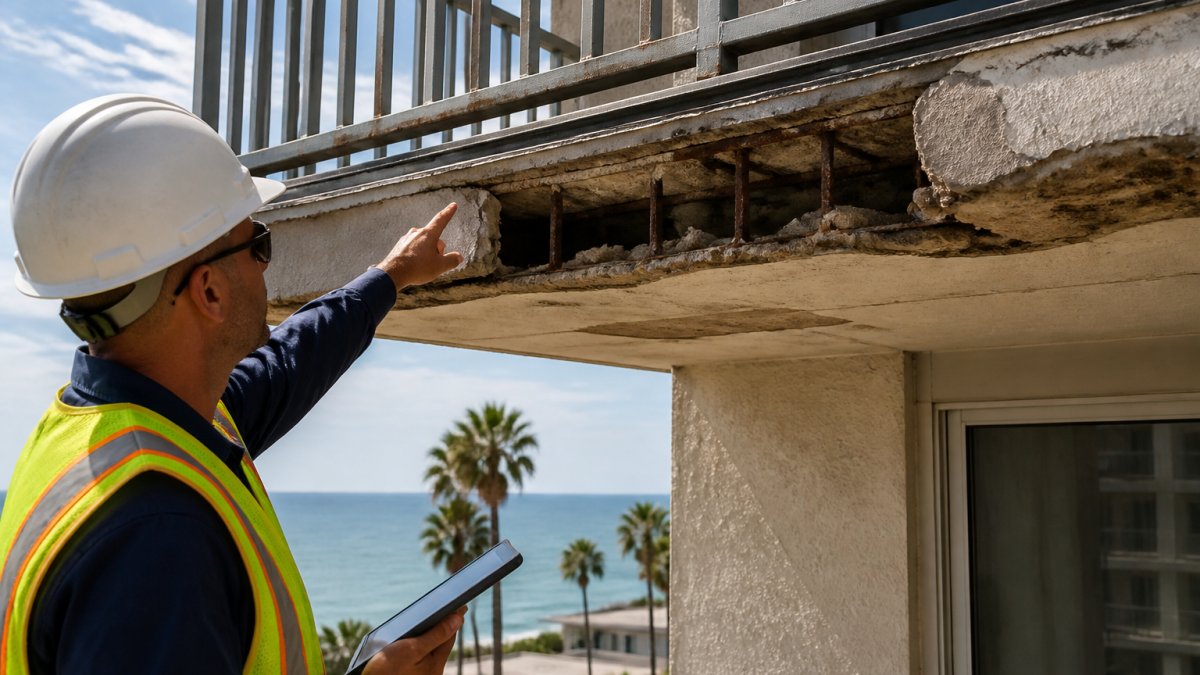
Balcony waterproofing is one of the most critical investments a multi-family property owner can make. Water damage happens slowly, out of sight, and by the time it becomes visible, structural integrity has often been compromised for years. At Apex Balcony, we’ve worked with hundreds of building owners across California who discovered concrete spalling, rust-stained framing, or sub-flooring decay during inspections.
Water intrusion into elevated exterior elements doesn’t just damage the balcony itself, it infiltrates the building envelope, compromising structural systems beneath. Moisture migrates downward through concrete, corroding steel reinforcement and rotting wood framing. What starts as minor seepage becomes a six-figure remediation project within five to seven years if left unchecked.
A single balcony collapse can result in serious injury, death, and catastrophic liability exposure. The 2015 Berkeley incident and the 2021 Malibu collapse serve as stark reminders that this isn’t theoretical risk. Beyond liability, water damage accelerates property value decline and makes financing or refinancing significantly more difficult.
Balcony waterproofing protects your building envelope, prevents moisture infiltration, and ensures occupant safety. It’s a legal and moral obligation under California law, and it directly determines whether your property remains insurable and financeable.
Understanding SB 326 Inspection Requirements and Compliance
SB 326 requires that multi-family residential buildings with three or more units built before January 1, 2008, undergo mandatory inspections of exterior elevated elements, including balconies, decks, and stairways. The initial inspection must be completed by January 1, 2025, with subsequent inspections every nine years thereafter (dca.ca.gov).
Non-compliance exposes property owners to fines, loss of insurance coverage, and liability if an incident occurs. The legislation was written in response to documented balcony collapses and the recognition that deferred maintenance on elevated exterior elements creates unacceptable risk.
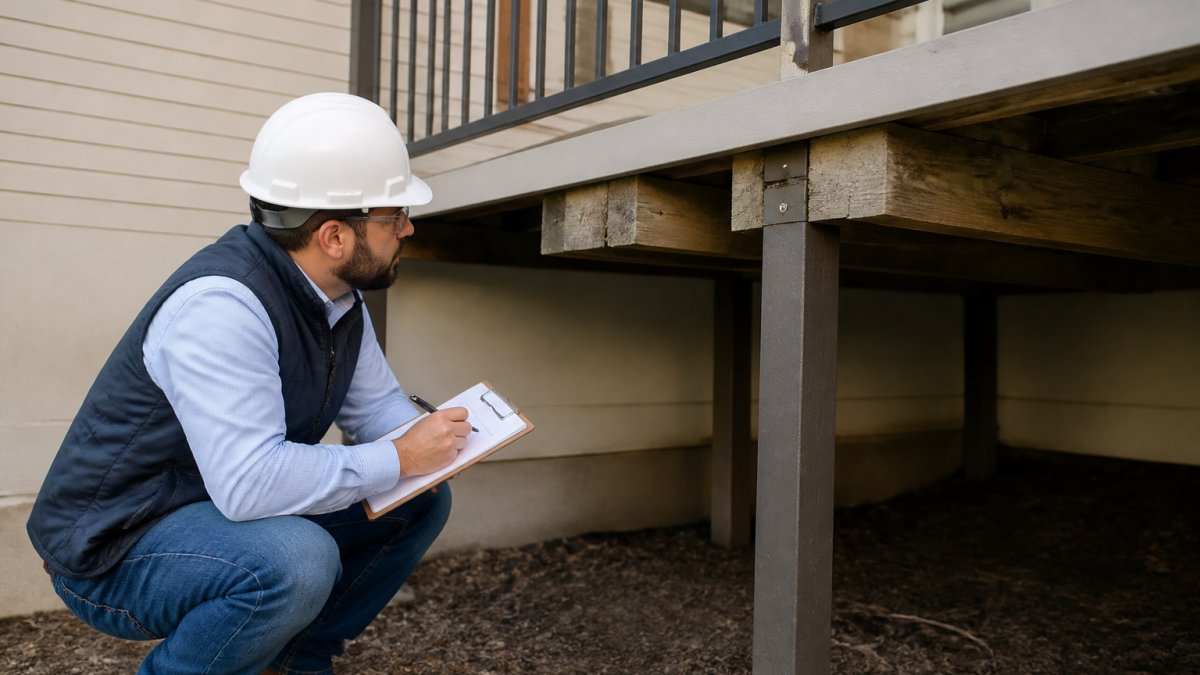
The inspection requires a licensed professional to assess structural integrity, identify water damage, evaluate weatherproofing systems, and determine load-bearing capacity. The inspector documents findings in a detailed report that becomes part of your property’s official record and drives remediation timelines and budget planning.
Many property managers ask whether they need SB 326 or SB 721 compliance. SB 326 focuses on structural safety of elevated exterior elements and applies to buildings with three or more units built before 2008. SB 721 requires waterproofing inspections for balconies and decks in similar multi-family properties. Both statutes apply to most older California apartment complexes, and compliance with one does not satisfy the other.
A thorough inspection prevents far costlier emergency repairs later. Apex Balcony has helped hundreds of building owners navigate these requirements with licensed inspectors who understand both the technical and legal dimensions of California compliance.
California Department of Consumer Affairs guidance on SB 326 requirements
Recognizing Signs of Balcony Water Damage Before Failure Occurs
Water damage on balconies develops in stages, and early recognition can prevent structural failure. The first visible sign is often discoloration, water staining on concrete or rust bleeding through paint on metal railings. This indicates that moisture has already penetrated the surface and begun corroding embedded steel or rotting underlying wood.
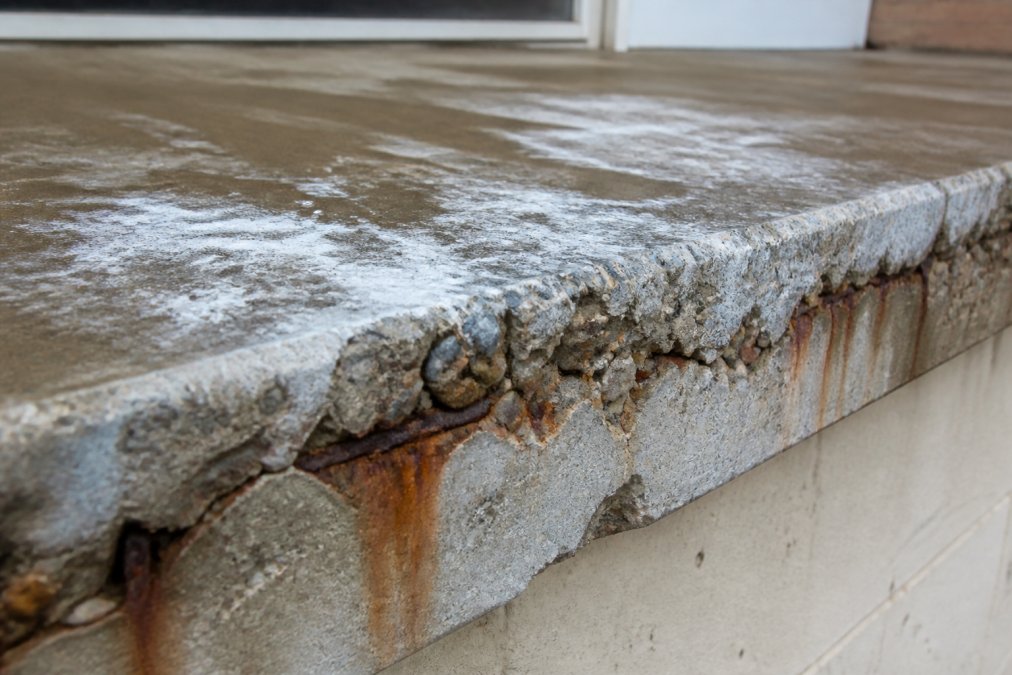
Efflorescence, white chalky deposits on concrete, signals that water is moving through the concrete and depositing mineral salts as it evaporates. This is an early warning that hydrostatic pressure is forcing moisture through the structural system. Left unaddressed, this leads to concrete spalling, where the surface chips and flakes away, exposing reinforcing steel beneath.
Spalling concrete is critical. Once the protective concrete cover is breached, steel reinforcement begins to rust. Rust expands, creating internal pressure that further degrades the concrete. This cycle accelerates rapidly, within two to three years, a small spall can become a major structural defect. Dry rot in wooden sub-flooring or framing is equally serious and can lead to collapse if decay reaches critical structural members.
Soft spots or spongy areas when walking on a balcony deck indicate sub-surface moisture and potential rot in the framing below. Cracks in concrete, especially horizontal cracks or cracks following the rebar pattern, suggest freeze-thaw cycles or corrosion pressure from rusting steel. Pooling water on the balcony surface means the drainage system has failed, accelerating all forms of water damage.
By the time a balcony shows obvious signs of failure, the structural problem is often advanced. Professional inspections catch early-stage water damage before it becomes a safety hazard or budget crisis.
Common Causes of Water Intrusion in Elevated Exterior Elements
Water finds its way into balconies through multiple pathways. The primary culprit is failed or inadequate waterproofing membrane. Many older multi-family buildings were constructed with minimal waterproofing, sometimes just a single coat of sealant that degrades under UV exposure within five to ten years. Once the membrane fails, water penetrates directly into the concrete and sub-structure.
Flashing failures are equally common. Flashing is the metal or membrane barrier that directs water away from joints, edges, and transitions. When flashing is missing, improperly installed, or corroded, water bypasses the intended drainage path and pools against structural elements.
Poor drainage design causes water to accumulate rather than drain away. If the balcony deck doesn’t slope sufficiently toward drainage points, or if drains are blocked by debris, water sits on the surface. Hydrostatic pressure builds, forcing moisture through micro-cracks and pores in the concrete.
Sealant failures occur when caulk or sealant around joints, cracks, and penetrations hardens, shrinks, or separates from the substrate. Temperature cycling causes expansion and contraction, eventually breaking the seal. Water then infiltrates through these openings and migrates downward through the building envelope.
Concrete deterioration accelerates water intrusion. Poor-quality concrete with high porosity or improper finishing absorbs water more readily. Chloride exposure from salt air in coastal areas also degrades concrete and accelerates corrosion of embedded steel.
Waterproofing Materials and Systems That Protect Your Building Envelope
Modern waterproofing membrane systems are far more effective than basic sealants used in older buildings. A proper waterproofing system creates a continuous barrier that prevents water penetration while allowing the structure to breathe and accommodate movement.
Liquid-applied waterproofing membranes are sprayed or rolled onto the balcony surface and cure to form a seamless, flexible coating. These membranes conform to irregular surfaces and can bridge small cracks. Quality membranes last 15-20 years under normal conditions, though UV exposure and foot traffic can shorten this lifespan (peer-reviewed research).
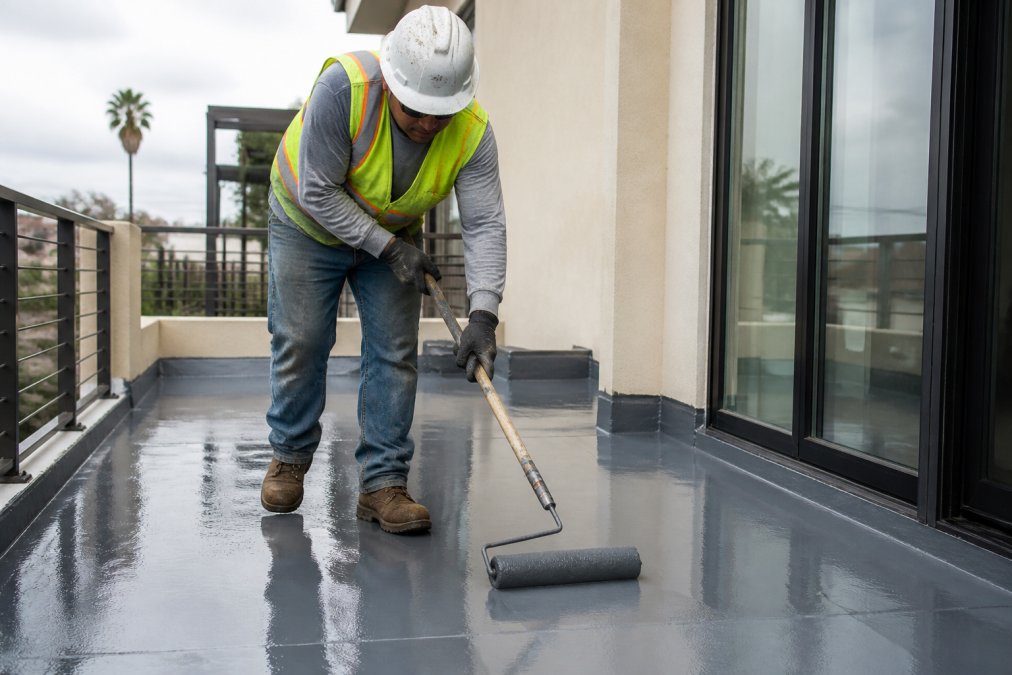
Sheet membranes, typically made from modified bitumen or synthetic polymers, are adhered or mechanically fastened to the substrate. These provide excellent durability and are particularly effective in high-traffic areas. They can last 20-30 years and offer superior longevity compared to liquid systems.
Flashing systems using metal or synthetic materials direct water away from vulnerable joints and transitions. Proper flashing installation is as critical as the membrane itself, a waterproofing system is only as good as its weakest link. Flashing must overlap correctly, be securely fastened, and be sealed at all penetrations.
Drainage systems, including sloped surfaces, drain pans, and weep holes, work in conjunction with membranes to manage water. Even the best membrane will eventually allow some water through micro-cracks or at joints. Drainage systems ensure that any water that does penetrate is directed away from structural elements rather than pooling.
Sealants and caulks fill gaps around railings, fixtures, and penetrations. Polyurethane and silicone sealants are most common, offering flexibility and durability. These must be reapplied every 5-7 years as part of preventative maintenance.
The choice of system depends on building age, existing conditions, budget, and long-term maintenance capacity. Older buildings with significant structural movement may benefit from flexible liquid membranes. High-traffic areas may require more durable sheet systems. Coastal properties need systems specifically formulated for salt air exposure.
Cost of Balcony Waterproofing for HOAs: Planning and Budgeting
Balcony waterproofing costs vary significantly based on building size, existing conditions, material selection, and remediation scope. A small 12-unit building with limited water damage might require modest investment, while a 100-unit property with widespread structural issues could face substantially higher costs.
The critical insight is that waterproofing cost must be weighed against the cost of doing nothing. Every year of delay increases the likelihood of structural damage that turns a preventative project into an emergency remediation. Emergency repairs always cost more than planned maintenance.
When budgeting, separate inspection costs from remediation costs. Inspection is the first step and determines what needs to be fixed and in what priority order. Once you have a detailed inspection report, you can create a phased remediation plan that spreads costs across multiple budget cycles if necessary.
Some balconies need only membrane recoating and sealant replacement, a relatively modest investment. Others require flashing replacement, concrete repair, or sub-flooring remediation, significantly more expensive. A few require structural reinforcement if load-bearing capacity is compromised.
Deferring waterproofing maintenance consistently costs more when the problem becomes urgent.
Apex Balcony helps HOAs and property owners understand the true cost of waterproofing by providing transparent inspection reports that detail findings, prioritize repairs, and support realistic budget planning.
Preventative Maintenance and Long-Term Property Value Protection
Preventative maintenance is the most cost-effective strategy for protecting your property’s structural integrity and value. A systematic approach to balcony maintenance extends the life of waterproofing systems, catches problems early, and prevents the cascade of damage that leads to major repairs.
Annual inspections of balconies should include visual assessment of the membrane, sealants, flashing, and drainage systems. Look for cracks, discoloration, soft spots, or pooling water. Clear drains and gutters to ensure water flows freely. Check that sealants are intact and not separating from edges or joints.
Sealant reapplication every 5-7 years is standard preventative maintenance. Sealants degrade under UV exposure and temperature cycling, and replacing them before failure is far cheaper than dealing with water intrusion. Sealant maintenance is the single most cost-effective intervention for extending balcony life.
Membrane inspection becomes more critical after 10-15 years, depending on the membrane type and exposure conditions. Coastal properties, high-altitude properties with freeze-thaw cycles, and properties with intense UV exposure degrade membranes faster. A professional inspection can assess remaining membrane life and recommend replacement timing before failure occurs.
Documentation is essential. Keep records of all inspections, maintenance activities, and repairs. This documentation supports insurance claims, demonstrates due diligence to regulators, and provides a clear history for future owners. It also supports refinancing efforts, lenders view well-maintained properties far more favorably than those with deferred maintenance.
Property value preservation is directly tied to structural integrity. Buildings with documented water damage, failed balconies, or unresolved SB 326/721 compliance issues are significantly harder to finance or sell. Conversely, properties with current inspections, well-maintained waterproofing systems, and clear compliance documentation command higher valuations and attract better financing terms.
A long-term maintenance plan typically includes annual visual inspections, sealant reapplication every 5-7 years, professional membrane assessment every 10 years, and immediate repair of any identified defects. This approach costs a fraction of emergency remediation and keeps your property safe, compliant, and valuable.
Conclusion
Balcony waterproofing is not discretionary maintenance for multi-family properties in California, it’s a legal requirement, a safety obligation, and a critical investment in property value. Water intrusion into elevated exterior elements causes progressive structural damage that accelerates exponentially once it begins. The difference between a managed maintenance issue and catastrophic failure often comes down to whether problems are caught early through professional inspection.
California’s SB 326 and SB 721 requirements exist because balcony failures have caused injury and death. These laws mandate professional inspection of elevated exterior elements in older multi-family buildings. Compliance provides a clear pathway to identifying problems before they become emergencies.
At Apex Balcony, we help building owners and HOAs navigate these requirements with licensed inspectors who have decades of combined construction and design experience. Our comprehensive inspections identify early signs of structural failure, document findings in reports that support remediation planning, and ensure your property remains compliant and safe. We focus on transparent, actionable recommendations that help you prioritize repairs and protect both your residents and your investment.
Book an inspection with Apex Balcony today and get the clarity you need to protect your property, ensure resident safety, and maintain compliance with California law.
=== FAQ ANSWERS (audit these too, same rules) ===
[1] Q: What is the difference between SB 326 and SB 721 balcony laws?
A: SB 721, enacted in 2018, requires mandatory inspections of balconies and elevated exterior elements in residential buildings with three or more units. SB 326, passed in 2020, expanded these requirements and mandated inspections every nine years. Both laws aim to prevent structural failures and water intrusion that compromise occupant safety. Property owners must comply with whichever law applies based on their building’s age and configuration. Inspections identify water damage, dry rot, corrosion, and load-bearing capacity issues before catastrophic failure occurs.
[2] Q: What are the common signs of balcony water damage?
A: Early warning signs include visible water staining, efflorescence (white mineral deposits), concrete spalling, rust stains on metal components, soft or spongy wood, and peeling paint or coatings. More advanced damage shows dry rot, seepage into adjacent units, mold growth, and structural movement. Moisture infiltration often begins at flashing joints, sealant gaps, and drainage system failures. Regular inspections catch these signs before they progress to sub-flooring damage or structural integrity compromise. Professional inspectors use moisture meters and visual assessment to identify hidden water intrusion within the building envelope.
[3] Q: How often do multi-family buildings need balcony waterproofing inspections?
A: California SB 326 mandates inspections every nine years for residential buildings with three or more units. However, buildings in coastal areas or those showing early signs of water damage may benefit from more frequent inspections. After an initial inspection identifies defects, property owners must complete repairs within specified timelines and document remediation. Some buildings schedule annual visual assessments between formal inspections to monitor drainage systems, sealants, and weatherproofing condition. Property managers should establish preventative maintenance schedules to address minor issues before they require major waterproofing system overhauls.
[4] Q: What is typically included in a professional balcony waterproofing inspection?
A: A comprehensive inspection examines all elevated exterior elements including balconies, decks, stairways, and railings. Inspectors assess the building envelope for water intrusion, check flashing and sealant integrity, evaluate drainage systems, test load-bearing capacity, and document concrete spalling or corrosion. They identify moisture infiltration using visual assessment and specialized equipment. The inspection report outlines defects, prioritizes repairs based on safety risk, and recommends remediation strategies. Licensed inspectors with construction experience can distinguish between cosmetic wear and structural failures requiring immediate attention.
[5] Q: Can property owners defer balcony waterproofing repairs after an inspection?
A: California law requires property owners to complete repairs within specified timelines based on defect severity. Critical safety issues must be addressed immediately to prevent occupant injury and property liability. Water damage and structural defects cannot be indefinitely postponed, as continued moisture infiltration accelerates deterioration of sub-flooring, framing, and the building envelope. Delaying repairs increases long-term remediation costs and exposes property owners to liability claims if injuries or property damage occur. Insurance policies may not cover losses resulting from neglected maintenance or code violations.
[6] Q: What waterproofing materials work best for multi-family balconies?
A: Modern waterproofing systems include liquid-applied membranes, sheet membranes, and hybrid coatings designed to withstand UV exposure, hydrostatic pressure, and live loads from foot traffic and weather. Materials vary based on climate, substrate condition, and budget. Liquid membranes offer flexibility and seamless coverage, while sheet membranes provide durability. Eco-friendly options use low-VOC formulations and sustainable materials. The best system depends on the specific building envelope configuration, existing damage, and long-term maintenance capacity. Professional inspectors recommend systems based on site conditions and building code compliance requirements.
[7] Q: How does balcony waterproofing impact property value and insurance?
A: Properly waterproofed balconies protect structural integrity, prevent water damage mitigation costs, and maintain occupant safety. Properties with compliant, well-maintained balconies command higher resale values and attract tenants. Insurance carriers reward properties with documented inspections and current repairs through lower premiums and broader coverage. Conversely, buildings with failed inspections or deferred repairs face policy cancellations, higher premiums, or coverage denials. Waterproofing investment directly reduces liability exposure and demonstrates responsible property management to lenders and insurance underwriters.
Frequently Asked Questions
What is the difference between SB 326 and SB 721 balcony laws?
SB 721, enacted in 2018, requires mandatory inspections of balconies and elevated exterior elements in residential buildings with three or more units. SB 326, passed in 2020, expanded these requirements and mandated inspections every nine years. Both laws aim to prevent structural failures and water intrusion that compromise occupant safety. Property owners must comply with whichever law applies based on their building's age and configuration. Inspections identify water damage, dry rot, corrosion, and load-bearing capacity issues before catastrophic failure occurs.
What are the common signs of balcony water damage?
Early warning signs include visible water staining, efflorescence (white mineral deposits), concrete spalling, rust stains on metal components, soft or spongy wood, and peeling paint or coatings. More advanced damage shows dry rot, seepage into adjacent units, mold growth, and structural movement. Moisture infiltration often begins at flashing joints, sealant gaps, and drainage system failures. Regular inspections catch these signs before they progress to sub-flooring damage or structural integrity compromise. Professional inspectors use moisture meters and visual assessment to identify hidden water intrusion within the building envelope.
How often do multi-family buildings need balcony waterproofing inspections?
California SB 326 mandates inspections every nine years for residential buildings with three or more units. However, buildings in coastal areas or those showing early signs of water damage may benefit from more frequent inspections. After an initial inspection identifies defects, property owners must complete repairs within specified timelines and document remediation. Some buildings schedule annual visual assessments between formal inspections to monitor drainage systems, sealants, and weatherproofing condition. Property managers should establish preventative maintenance schedules to address minor issues before they require major waterproofing system overhauls.
What is typically included in a professional balcony waterproofing inspection?
A comprehensive inspection examines all elevated exterior elements including balconies, decks, stairways, and railings. Inspectors assess the building envelope for water intrusion, check flashing and sealant integrity, evaluate drainage systems, test load-bearing capacity, and document concrete spalling or corrosion. They identify moisture infiltration using visual assessment and specialized equipment. The inspection report outlines defects, prioritizes repairs based on safety risk, and recommends remediation strategies. Licensed inspectors with construction experience can distinguish between cosmetic wear and structural failures requiring immediate attention.
Can property owners defer balcony waterproofing repairs after an inspection?
California law requires property owners to complete repairs within specified timelines based on defect severity. Critical safety issues must be addressed immediately to prevent occupant injury and property liability. Water damage and structural defects cannot be indefinitely postponed, as continued moisture infiltration accelerates deterioration of sub-flooring, framing, and the building envelope. Delaying repairs increases long-term remediation costs and exposes property owners to liability claims if injuries or property damage occur. Insurance policies may not cover losses resulting from neglected maintenance or code violations.
What waterproofing materials work best for multi-family balconies?
Modern waterproofing systems include liquid-applied membranes, sheet membranes, and hybrid coatings designed to withstand UV exposure, hydrostatic pressure, and live loads from foot traffic and weather. Materials vary based on climate, substrate condition, and budget. Liquid membranes offer flexibility and seamless coverage, while sheet membranes provide durability. Eco-friendly options use low-VOC formulations and sustainable materials. The best system depends on the specific building envelope configuration, existing damage, and long-term maintenance capacity. Professional inspectors recommend systems based on site conditions and building code compliance requirements.
How does balcony waterproofing impact property value and insurance?
Properly waterproofed balconies protect structural integrity, prevent water damage mitigation costs, and maintain occupant safety. Properties with compliant, well-maintained balconies command higher resale values and attract tenants. Insurance carriers reward properties with documented inspections and current repairs through lower premiums and broader coverage. Conversely, buildings with failed inspections or deferred repairs face policy cancellations, higher premiums, or coverage denials. Waterproofing investment directly reduces liability exposure and demonstrates responsible property management to lenders and insurance underwriters.