Inspectica vs Pacific Interwest: SB 721 Compliance
Inspectica vs pacific interwest: Compare Inspectica and Pacific Interwest for SB 721 and SB 326 balcony inspections. Learn service differences, compliance.
Table of Contents
- Inspectica vs Pacific Interwest: Service Overview
- SB 721 and SB 326 Inspection Requirements: What Each Company Covers
- Third-Party Inspection Process and Compliance Reporting
- Building Inspection Services Cost: Pricing and Value Comparison
- Multi-Family Building Inspection Checklist and Scope Differences
- Risk Mitigation, Quality Assurance, and Liability Coverage
- Which Company Is Right for Your Property
- Conclusion
Last Updated: August 11, 2026
Inspectica vs Pacific Interwest: Service Overview
When choosing between inspection firms for SB 721 and SB 326 compliance, property owners must understand how these two prominent players differ in scope, methodology, and risk mitigation approach. The choice matters because compliance gaps expose you to liability far exceeding inspection fees. The Malibu balcony collapse in May 2021 and the Berkeley incident in 2015 that killed six people underscore why third-party inspection isn’t optional.
This guide breaks down what separates Inspectica and Pacific Interwest, how their services address SB 721 and SB 326 requirements, and which fits different property profiles. Whether you’re managing a 12-unit building or a larger complex, this choice will shape your compliance timeline, cost structure, and risk mitigation strategy.
SB 721 and SB 326 Inspection Requirements: What Each Company Covers
SB 721 mandates visual inspection of all balconies, decks, and exterior stairs on residential buildings with three or more units every six years, with detailed documentation of structural defects. SB 326 applies to pre-2008 construction and demands engineer-led assessment of the building envelope and elevated exterior elements.
Inspectica positions itself as a turnkey solution for SB 721 compliance, offering standardized inspection protocols and simplified reporting. Pacific Interwest frames its service as comprehensive construction consulting that extends beyond basic inspection, integrating assessments with preventative maintenance planning and long-term risk mitigation.
The real difference emerges in scope. Inspectica follows a defined checklist: structural integrity, water intrusion, material degradation, and safety hazards. Pacific Interwest incorporates additional elements: building code compliance, contract volume assessment, and technical documentation suitable for litigation or regulatory audit.
For a small building owner asking which law applies, Inspectica answers quickly. Pacific Interwest answers the question, then explains what it means for your long-term compliance strategy and reserve fund planning.
A common mistake is treating SB 721 and SB 326 as interchangeable. SB 721 applies to all multi-family residential buildings with three or more units. SB 326 applies only to pre-2008 construction and requires more intensive engineering assessment. Confusing these creates compliance gaps and delays.
Third-Party Inspection Process and Compliance Reporting
The third-party inspection process is the backbone of legislative compliance. Both firms conduct visual inspections of all elevated exterior elements, balconies, decks, stairways, railings, and connections to the main structure. The difference lies in documentation depth and the pathway from inspection to remediation.
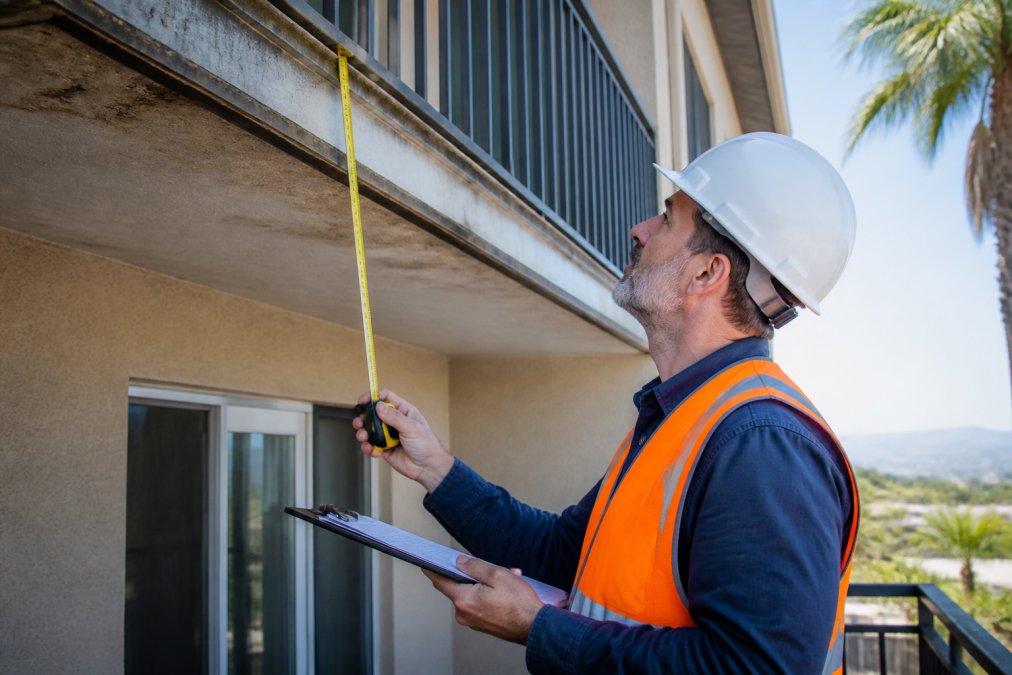
Inspectica’s process typically follows this timeline: site visit, photo documentation, defect categorization (minor, moderate, critical), and a compliance report delivered within 2-3 weeks. Their reporting format is designed for HOA board submission and municipal filing, answering whether the building meets SB 721 standards and identifying what needs repair.
Pacific Interwest’s inspection integrates field verification with structural analysis, producing not just a compliance report but a detailed site assessment including photographic evidence, material condition analysis, and preliminary cost estimation. Their documentation is built to withstand regulatory scrutiny or legal challenge.
The practical implication: Inspectica gets you compliant faster. Pacific Interwest gets you compliant with a more defensible record.
Compliance reporting requirements mandate identification of defects, severity classification, and correction recommendations. Both firms meet baseline standards. Pacific Interwest’s reports often include comparative analysis: "This type of defect typically requires X level of remediation," helping boards prioritize repairs and estimate reserve fund needs.
Request sample reports from both firms before committing. A good compliance report should include clear photographic evidence of each defect, specific location references, and severity ratings aligned with building code standards. Vague or generic reports indicate insufficient documentation for liability protection.
Building Inspection Services Cost: Pricing and Value Comparison
Cost structure creates real tension for property owners. Inspectica typically offers lower per-unit costs, making them attractive for budget-constrained HOAs. Pacific Interwest’s pricing reflects broader consulting scope, charging more upfront as risk mitigation investment.
The honest reality: you cannot compare these firms on inspection cost alone. The question is not "Which is cheaper?" but "What am I actually paying for?"
Inspectica’s model works well for straightforward buildings with few previous defects. Pacific Interwest’s model makes more sense for buildings with complex histories, prior damage, or where the board wants detailed cost projections for repairs.
A thorough inspection that identifies issues early prevents costlier emergency repairs later. A balcony that appears stable might have water intrusion requiring structural remediation within 18 months. Catching that early saves money.
The real [cost of inspection](/balcony-inspection-cost-hoa/) isn’t the inspection fee, it’s the cost of missed defects. A cheap inspection that misses a critical failure point exposes you to liability, regulatory fines, and emergency repair costs that dwarf the original inspection savings.
For pricing specifics on Apex Balcony’s inspection services, contact them directly for a quote based on your building size and complexity.
Multi-Family Building Inspection Checklist and Scope Differences
A comprehensive multi-family building inspection checklist addresses all elevated exterior elements and the structural systems that support them. Both firms cover mandatory items, but their checklists differ in depth.
Standard inspection elements both firms address:
- Balcony structural connections and fastening systems
- Railing height, spacing, and structural integrity
- Decking material condition (wood rot, concrete spalling, metal corrosion)
- Stairway treads, risers, and handrails
- Waterproofing and drainage systems
- Signs of water intrusion or moisture damage
- Visible cracks, deflection, or movement in structural members
Inspectica’s checklist is simplified for efficiency, using a binary approach: compliant or non-compliant. Pacific Interwest extends into predictive assessment, evaluating material lifecycle and whether repairs are temporary patches or permanent solutions.
For reserve fund planning, Inspectica tells you what must be fixed now. Pacific Interwest tells you what must be fixed now, what should be fixed within 3 years, and what will likely need attention in 5-7 years.
| Inspection Element | Inspectica | Pacific Interwest | Impact |
|---|---|---|---|
| Current code compliance | Yes | Yes | Meets SB 721 requirement |
| Photographic documentation | Yes | Yes | Evidence for liability protection |
| Severity categorization | Yes | Yes | Prioritizes repairs |
| Material lifecycle assessment | No | Yes | Informs long-term budgeting |
| Cost estimation for repairs | Basic | Detailed | Helps reserve fund planning |
| Comparative analysis (vs. similar buildings) | No | Yes | Context for board decisions |
| Follow-up consulting included | No | Optional | Adds value post-inspection |
The checklist scope matters most for mid-sized buildings (50-150 units) where the cost of missed defects compounds. For very small buildings, Inspectica’s focused approach may be sufficient. For large complexes with aging infrastructure, Pacific Interwest’s comprehensive methodology pays dividends in preventative maintenance planning.
Risk Mitigation, Quality Assurance, and Liability Coverage
Risk mitigation in multi-family residential inspection means documenting that you performed due diligence, identified hazards, and acted on findings. This directly affects your legal exposure.
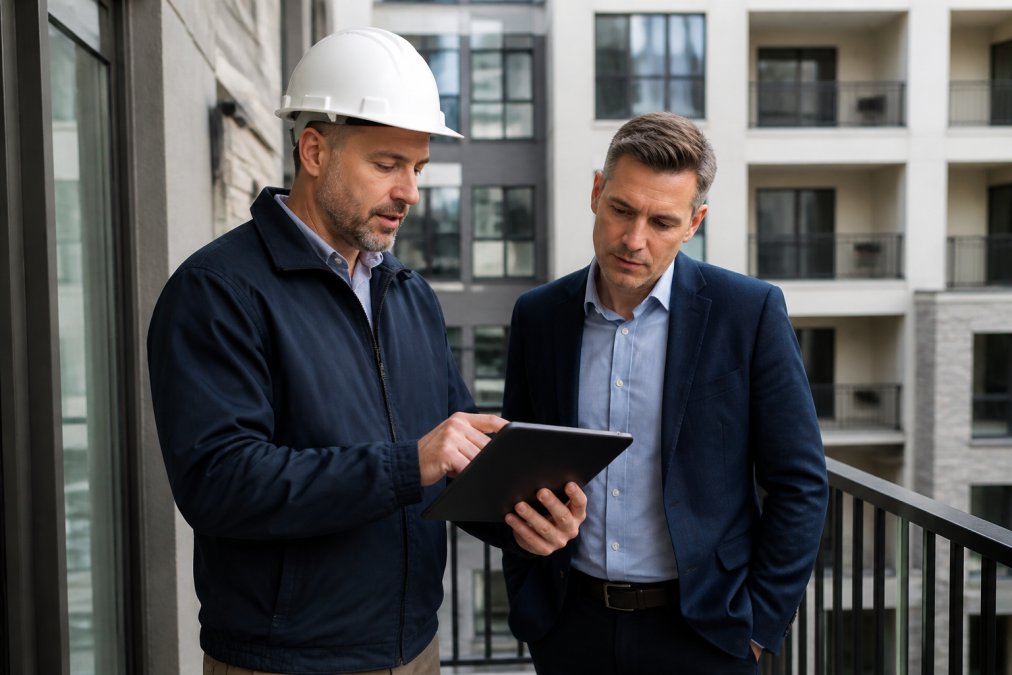
Both firms carry professional liability insurance, which protects them if their inspection misses something. Your protection comes from the quality of their work and documentation thoroughness.
Inspectica’s quality assurance includes supervisor review of reports and site photos before delivery, maintaining consistent standards through checklist-based methodology. Pacific Interwest employs licensed engineers and construction professionals, structuring reports to withstand professional scrutiny.
Here’s the critical distinction: both carry insurance, but only one is less likely to miss something in the first place.
Liability coverage becomes crucial if someone is injured due to a balcony failure. A detailed, professionally-documented inspection report demonstrates you acted responsibly. That documentation is your liability shield.
If your previous inspector left exposed framing or water damage during the inspection process, you’re working with someone who doesn’t understand non-destructive assessment requirements. Proper inspection documents conditions without creating new damage. This is a red flag for quality control.
Which Company Is Right for Your Property
The choice depends on three factors: building profile, timeline, and your comfort with risk.
Choose Inspectica if:
- Your building is relatively new (post-2000) with no known structural history
- You need compliance documentation quickly
- Your HOA budget is tight
- You have a property manager who can handle remediation planning separately
- You’re primarily focused on meeting SB 721’s legal requirement
Choose Pacific Interwest if:
- Your building is older (pre-1995) or has a history of water intrusion or structural issues
- You need detailed cost projections for reserve fund planning
- You want engineering-level analysis beyond basic compliance documentation
- You’re preparing for potential litigation or regulatory audit
- You want comparative context on your building’s condition
For buildings under 20 units, Inspectica’s approach typically delivers adequate value. For buildings over 50 units or with complex histories, Pacific Interwest’s methodology justifies the higher cost. For 20-50 unit buildings, the decision hinges on whether you want basic compliance or strategic planning.
Inspectica works best for small HOAs under 30 units with straightforward compliance needs. Pacific Interwest serves larger, more complex properties where detailed structural analysis and long-term planning inform board decisions.
Conclusion
Inspectica and Pacific Interwest represent two legitimate approaches to SB 721 and SB 326 compliance. Inspectica prioritizes efficiency and cost containment. Pacific Interwest integrates inspection into broader construction consulting and risk mitigation strategy.
Neither is universally "better", the right choice depends on your building’s age, complexity, and your board’s sophistication in managing long-term maintenance. What matters most is that you don’t delay. The legal requirement exists because balcony failures kill people. The inspection isn’t optional, and neither is taking the findings seriously.
If you’re uncertain about which firm fits your building or need guidance on compliance requirements, Apex Balcony’s licensed inspectors can help you navigate the process. With decades of combined construction and design experience, our team specializes in identifying early signs of structural failure in elevated exterior elements and providing the documentation your property needs to stay compliant and safe. California building code standards for residential safety
Frequently Asked Questions
What is the difference between SB 721 and SB 326 inspection requirements?
SB 326 requires initial balcony inspections for buildings with three or more units built before 1995. SB 721 expanded this mandate to include all elevated exterior elements (balconies, decks, stairways, and similar structures) and applies to buildings built before 2020. Both laws mandate third-party inspection and compliance reporting. Your property may fall under one or both statutes depending on construction date and structure type. A qualified inspector can determine which applies to your specific building.
How do I know which inspection company to choose for multi-family building inspection?
Look for companies with licensed inspectors, proven expertise in SB 721 and SB 326 compliance, and transparent documentation of their inspection process. Ask about their experience with buildings similar to yours in size and construction type. Request references from property owners they've worked with. Verify they provide detailed compliance reporting and understand the full scope of elevated exterior elements your building contains. Companies that can explain which regulations apply to your property without pressure indicate stronger expertise.
What should I expect to find during a third-party balcony inspection?
Inspectors assess structural integrity, identify water intrusion, check fastening systems, evaluate concrete or wood deterioration, and document any construction defects. Common findings include rusted connections, failed waterproofing membranes, cracked or spalling concrete, and wood rot. The inspector will document their findings in a detailed compliance report with photos and recommendations for repair priority. Not all findings require immediate action, but the report helps you plan maintenance and understand your liability exposure.
What factors affect the cost of building inspection services?
Building size, number of units, age of construction, accessibility of elevated exterior elements, and complexity of the structure all influence inspection costs. Turnkey solutions that include consulting and detailed compliance reporting typically cost more than basic inspections. Multi-family buildings with more balconies or complex configurations require more time and documentation. Request quotes from multiple inspectors that break down their fees by service component so you understand where your investment goes.
Balcony safety isn’t a cost center, it’s a liability shield. The right inspection firm provides both compliance documentation and the structural insight that prevents emergencies. Get started with an inspection assessment today and give your residents the safety they deserve.