Is a Balcony Inspection Worth the Cost? A 2026 Guide
Is a balcony inspection worth the cost: Balcony inspection cost vs. risk. Learn what inspections include, California SB 326/721 requirements, and ROI of.
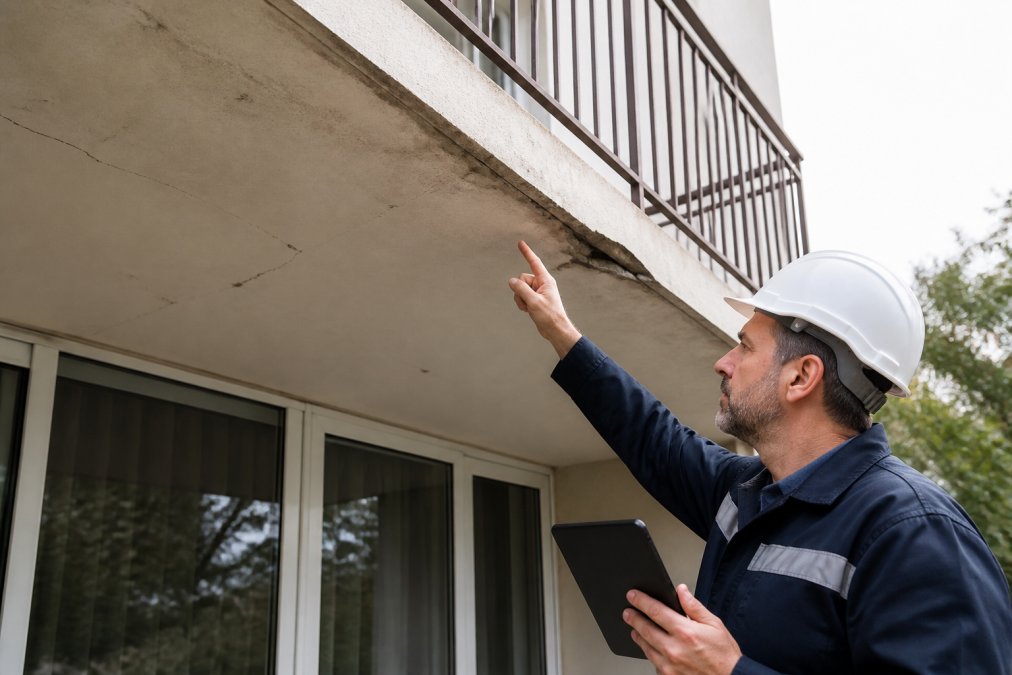
Table of Contents
- Is a Balcony Inspection Worth the Cost? The Real Answer
- Understanding Balcony Inspection Cost and What Affects Pricing
- California Balcony Inspection Regulations US: SB 326 and SB 721 Compliance
- What Is Included in a Professional Balcony Inspection Checklist
- Balcony Repair Cost: Why Early Detection Saves Money
- DIY vs. Professional Inspection: Where to Draw the Line
- Reading Your Inspection Report: Interpreting Findings and Next Steps
- The Real Risks of Skipping Balcony Inspections
Last Updated: August 2, 2026
Is a Balcony Inspection Worth the Cost? The Real Answer
When asking "is a balcony inspection worth the cost," most property owners are really asking two questions: Will this catch problems before they become catastrophic, and can I afford not to do it? A single balcony collapse, whether in Berkeley in 2015 or Malibu in 2021, killed residents, triggered lawsuits worth millions, and destroyed property values. Those buildings didn’t skip inspections because they were cheap; they skipped them because owners didn’t understand the real cost of deferral.
This guide shows you what inspections actually cost, what they catch, and whether the expense is justified for your situation. For most multi-unit properties in California, the answer is yes.
Why property owners delay inspections
The biggest reason property managers postpone balcony inspections is fear of what inspectors will find. Many owners have heard horror stories about invasive inspections that damage balconies and expose framing to water damage. The second reason is compliance confusion, California’s SB 326 and SB 721 regulations are complex, and many owners don’t know whether their building falls under either mandate. The third is cost anxiety about inspection fees triggering massive repair bills.
The hidden cost of deferring action
Structural damage to balconies compounds over time. Water intrusion that goes undetected for two years spreads to ledger boards, rim joists, and interior framing. An inspection costing $3,000 to $8,000 today might reveal repairs needed in three to five years. That same inspection deferred by two years often uncovers work that must happen in six months, at emergency rates. The cost difference between planned maintenance and crisis repair is typically 40% to 60% higher for the latter.
Beyond dollars, there’s liability exposure. If a resident is injured by a balcony defect your building knew about (or should have known about through proper inspection), your insurance may deny coverage. California Civil Code Section 1365.5 mandates that associations disclose known structural defects to buyers and residents.
Understanding Balcony Inspection Cost and What Affects Pricing
The cost of a professional balcony inspection varies widely depending on property size, building complexity, and inspection scope. For a typical 12-unit apartment building, visual inspections range from $2,500 to $6,000. Larger complexes or buildings requiring invasive inspections typically cost $8,000 to $15,000 or more.
Factors that influence inspection pricing
Property size and unit count is the primary driver. A 50-unit complex costs more to inspect than a 12-unit building simply because there are more balconies to evaluate. Building age and construction type matter significantly, older wood-frame buildings with deteriorated framing require more time and expertise than newer concrete structures. Accessibility affects labor time; if balconies are easy to reach, costs stay lower. If inspectors must use lifts, scaffolding, or rope access, costs climb.
Inspection type, visual versus invasive, creates the largest cost gap. Geographic location and local labor rates influence pricing, with coastal properties in expensive markets paying more than inland properties. Regulatory compliance requirements can add cost if your building falls under SB 721.
Visual vs. invasive inspections: cost and scope differences
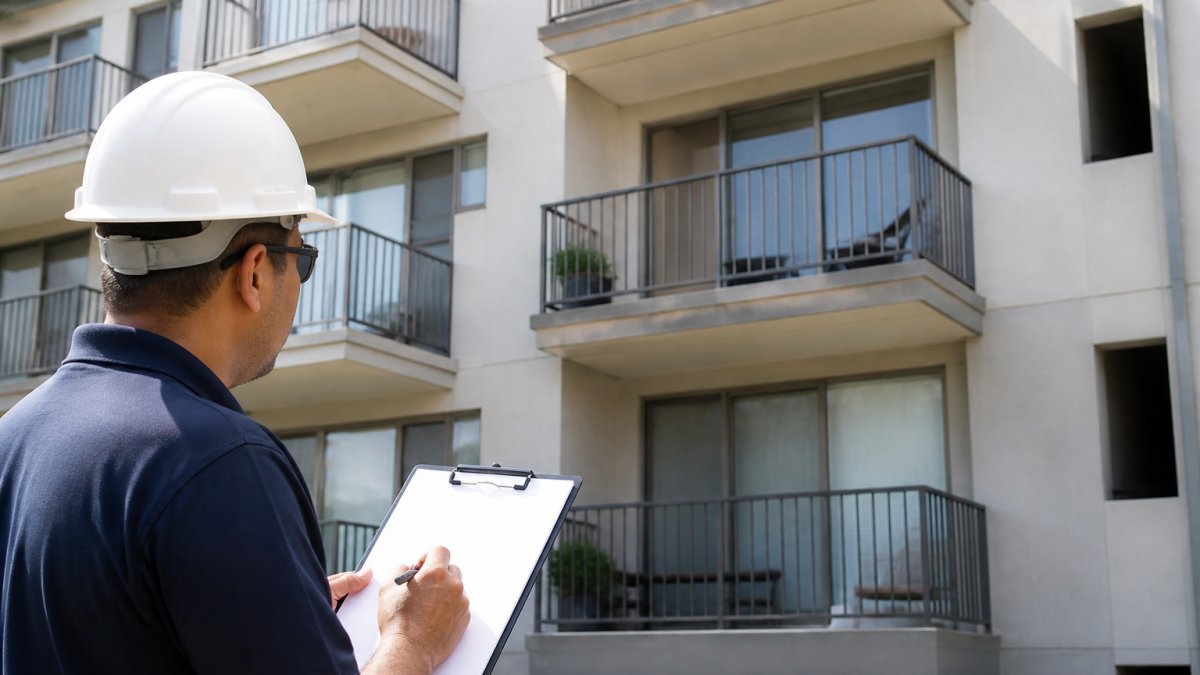
Visual inspections examine balconies, decks, and stairs from accessible vantage points without removing materials or drilling into structural elements. The inspector looks for visible deterioration: wood rot, rust on fasteners, water stains, separation of connections, cracked concrete, and damaged flashing. A visual inspection typically takes one to two days for a 20-unit building and costs $3,000 to $6,000. Visual inspections are sufficient for buildings in good condition with no obvious defects but cannot detect decay hidden inside wood members.
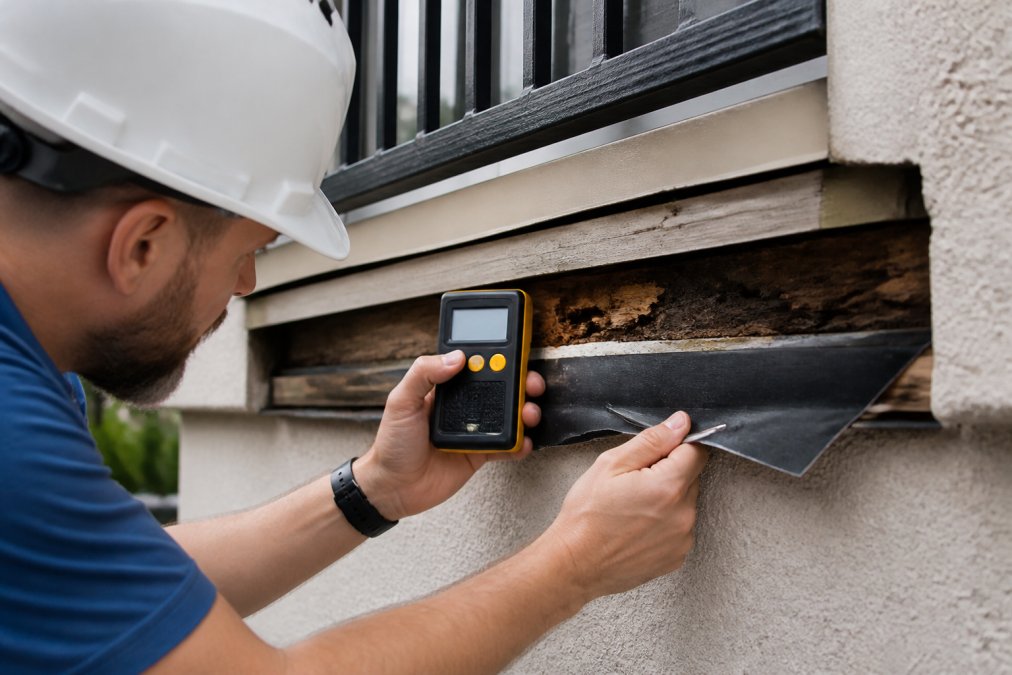
Invasive inspections go deeper. The inspector removes portions of flooring or siding to examine wood members for internal decay, drills cores into wood to assess moisture and rot, and may examine connection details. For concrete balconies, they might chip away surface material to inspect rebar. Invasive inspections cost $8,000 to $15,000 for a typical complex and take three to five days. They are essential when visual inspection reveals potential problems, when the building is old (30+ years), or when preparing for major repairs.
| Inspection Type | Typical Cost Range | Duration | Best For | Limitations |
|---|---|---|---|---|
| Visual Assessment | $3,000-$6,000 | 1-2 days | Good-condition buildings, baseline assessment | Cannot detect hidden decay or internal corrosion |
| Invasive Inspection | $8,000-$15,000 | 3-5 days | Older buildings, visible defects, pre-repair evaluation | More disruptive, requires sealing of probe holes |
| Combined Approach | $10,000-$18,000 | 4-6 days | Comprehensive assessment, regulatory compliance | Higher cost but most thorough |
California Balcony Inspection Regulations: SB 326 and SB 721 Compliance
California has two primary laws governing balcony safety inspections. Understanding which applies to your property is essential because non-compliance carries real penalties.
Which law applies to your property
SB 326 applies to residential buildings with three or more units built before January 1, 2008. It requires a comprehensive structural inspection of all exterior elevated elements at least once every nine years. The inspection must be conducted by a licensed engineer or architect.
SB 721 applies to multifamily rental properties with three or more units. It requires inspections every six years. Additionally, SB 721 mandates that balconies and decks deemed unsafe must be repaired or removed within 180 days of the inspection report. The practical difference: SB 721 buildings must act faster on defects. If an inspector flags a balcony as unsafe, you have six months to fix it or close it off. California Department of Housing and Community Development guidance on SB 326 and SB 721 clarifies which buildings fall under each statute based on construction date and unit count.
If your building was constructed between January 1, 2008, and today, neither law applies yet. However, future legislation could extend SB 326 and SB 721 to newer buildings. Staying ahead of compliance is cheaper than scrambling when rules change.
Penalties for non-compliance
Failing to conduct required inspections or ignoring inspection findings carries significant consequences. Fines range from $1,000 to $5,000 per violation. Liability exposure is far more serious, if a resident is injured by a balcony defect that an inspection would have caught, and the building failed to conduct the required inspection, the property owner may be personally liable and insurance may deny coverage. Financing and sale complications arise when properties are out of compliance; lenders may refuse to refinance and buyers may cancel escrow.
What Is Included in a Professional Balcony Inspection Checklist
A thorough professional inspection examines dozens of specific elements. Understanding what inspectors evaluate helps you interpret findings and plan repairs.
Structural elements evaluated
Inspectors assess the load-bearing capacity and integrity of primary structural components. They examine ledger boards, the connections between the balcony frame and the building’s exterior wall, because this is where most failures originate. They inspect rim joists, band boards, and main support posts or columns. For wood-frame balconies, they probe for dry rot and assess wood moisture content. For concrete balconies, they look for cracked concrete, exposed rebar, and reinforcement corrosion. They check all fasteners for rust, missing pieces, and loose connections. Railings must meet current building code requirements for height and spacing.
Water intrusion and weatherproofing assessment
Water is the enemy of structural longevity. Inspectors examine flashing, caulking, and sealants that prevent water from entering the building envelope. They look for gaps where water can penetrate behind trim and into framing and check for water stains on ceilings below balconies, which indicate active leaks. They assess the condition of waterproofing membranes on balcony surfaces and the slope of decking to ensure water drains away rather than pooling.
Documentation and compliance reporting
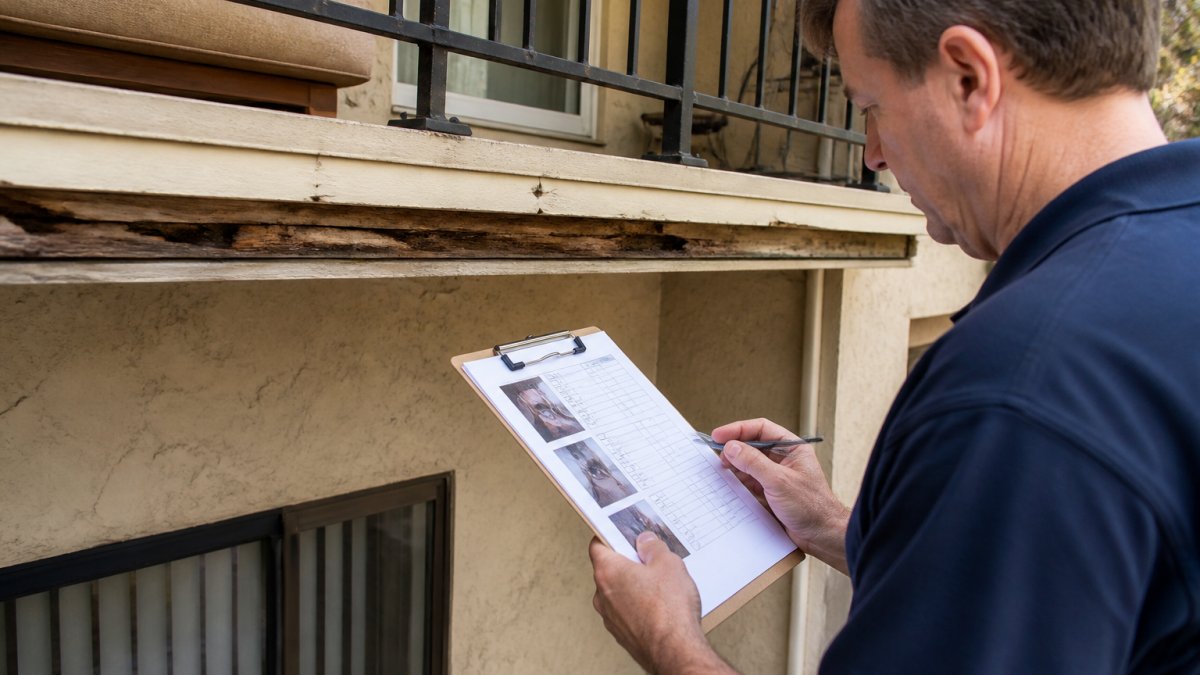
The inspection report is the foundation for all future repair decisions and regulatory compliance. A professional report includes photographs of defects, measurements, moisture readings, and severity classifications. Defects are typically categorized as:
- Immediate Safety Hazard: Repair or restrict access within 30 days
- Non-Immediate Defect: Repair within 12 months
- Monitor: Reassess at next inspection cycle
Balcony Repair Cost: Why Early Detection Saves Money
The true value of inspection emerges when you compare the cost of planned repairs to emergency repairs. Early detection transforms expensive crises into manageable maintenance projects.
Common defects found during inspections
Ledger board problems are the most common finding. Improper flashing, missing fasteners, or corroded bolts create water intrusion and structural weakness. Repair typically costs $5,000 to $15,000 per unit. Dry rot and wood decay in rim joists, band boards, or support posts require replacement of affected members, costing $8,000 to $20,000 per unit. Railing defects cost $2,000 to $8,000 per balcony. Cracked or spalling concrete on concrete balconies indicates internal reinforcement corrosion; sealing and patching cost $1,000 to $5,000 per balcony. Flashing and caulking failures are nearly universal in buildings over 20 years old and cost $500 to $2,000 per balcony to repair.
ROI of preventative maintenance vs. emergency repairs
The financial case for inspection-driven preventative maintenance is strong. Consider a 20-unit building where inspection reveals dry rot in five balconies. If repairs happen within 12 months of inspection (preventative approach), the owner can bid competitively and coordinate repairs for labor efficiency. Total cost: $50,000 to $100,000. If the same dry rot goes undetected and a balcony becomes unsafe 18 months later (emergency approach), the owner must emergency-bid contractors at premium rates and potentially face resident relocation costs. Total cost: $100,000 to $180,000 for the same five units.
Early detection of balcony defects typically saves 30-50% compared to emergency repair costs. A $5,000 inspection that prevents $50,000 in crisis repairs delivers a 10:1 return on investment within two years.
DIY vs. Professional Inspection: Where to Draw the Line
Property managers can perform visual walkthroughs to identify obvious defects: missing railings, visible rot, loose trim, water stains, or cracks. However, DIY assessment has hard limits. Managers cannot legally certify compliance with SB 326 or SB 721 (only licensed engineers or architects can). They cannot determine whether a balcony is structurally safe or assess moisture levels inside wood members. A licensed inspector brings technical expertise in structural assessment, liability insurance that protects the building owner, and legal standing for compliance documentation. Reports from licensed professionals are accepted by building departments, lenders, and courts.
Reading Your Inspection Report: Interpreting Findings and Next Steps
A professional inspection report can be dense and technical. Understanding how to read it is essential for making informed repair decisions.
Severity classifications and repair timelines
Most reports categorize defects into severity tiers:
Immediate Safety Hazard (30-day repair window): The defect poses imminent risk of injury or structural failure. Examples include severely corroded ledger board bolts, missing railings, or cracked concrete with exposed rebar.
Non-Immediate Defect (12-month repair window): The defect is significant and must be repaired, but it does not pose immediate danger. Examples include flashing that needs replacement or dry rot in non-critical framing.
Monitor (re-evaluate at next inspection): The condition is acceptable now but shows signs of potential future deterioration.
How to prioritize repairs and budget capital expenditures
After receiving an inspection report, follow this process: Step 1: Address immediate hazards first, these are non-negotiable. Step 2: Assess financial impact and get repair bids for all non-immediate defects. Step 3: Coordinate repairs; if multiple balconies need similar work, bid them together for contractor efficiency. Step 4: Budget strategically, spreading non-urgent repairs across multiple years if necessary. Step 5: Document completion with photographs, contractor invoices, and permits.
The Real Risks of Skipping Balcony Inspections
The question "is a balcony inspection worth the cost" becomes rhetorical when you understand what happens when inspections are skipped.
Liability exposure and insurance implications
A building owner who fails to conduct a required inspection and a resident is injured by a balcony defect faces catastrophic liability. Courts have ruled that failure to comply with SB 326 or SB 721 constitutes negligence. Insurance policies may deny coverage based on this non-compliance. The 2015 Berkeley balcony collapse, where six residents died when a wooden balcony failed, revealed that the building’s ledger board was improperly connected and had been deteriorating for years. Had a proper inspection been conducted, the defect would have been caught and could have been repaired.
Property valuation impact
Properties with deferred maintenance or known structural defects sell for significantly less than comparable properties in good repair. A building with a pending SB 721 inspection or known balcony defects will be heavily discounted by buyers. Lenders increasingly require SB 326 or SB 721 compliance as a condition of refinancing.
The real answer to "is a balcony inspection worth the cost" is this: it’s not an expense, it’s risk management. An inspection costs thousands. A collapse costs millions in repairs, litigation, and potentially lives. For California property owners managing multi-unit residential buildings, SB 326 and SB 721 compliance is not optional. For those not yet covered by law, inspections are still the single most effective way to prevent catastrophic failure and protect residents.
At Apex Balcony, we help building owners and HOAs navigate this process with licensed inspectors who have decades of combined construction and design experience. Our inspections identify early signs of structural failure before they become emergencies and ensure your building meets all regulatory requirements. California Department of Housing and Community Development SB 326 FAQs offers additional guidance if you’re uncertain about compliance requirements. The investment in a professional inspection today prevents far greater expense and risk tomorrow. Book an inspection with Apex Balcony and protect your residents and your assets.
Frequently Asked Questions
How much does a balcony inspection cost in the US?
Balcony inspection cost varies based on building size, number of units, inspection type (visual vs. invasive), and regional labor rates. For accurate pricing tailored to your property, contact Apex Balcony for a quote. Factors like building complexity and accessibility significantly affect final cost.
What does a professional balcony inspection checklist include?
A comprehensive balcony inspection checklist evaluates structural integrity of ledger boards, beams, and connections; water intrusion through flashing and sealants; signs of dry rot and corrosion; fastener condition; railing safety compliance; and building envelope integrity. Licensed inspectors document findings in detail to support compliance and repair planning.
Do I need SB 326 or SB 721 inspection for my California property?
SB 721 applies to residential buildings with three or more units constructed before January 1, 2008. SB 326 covers common areas in multi-unit buildings. If you're unsure which applies, Apex Balcony can clarify your specific requirements without obligation, helping you understand your compliance timeline and obligations.
Is a balcony inspection worth the cost if repairs are expensive?
Yes. Early detection through inspection prevents catastrophic failures, reduces emergency repair costs by 40-60%, protects residents from injury, and shields property owners from liability. Deferred maintenance compounds costs exponentially. A preventative inspection identifies issues when remediation is more affordable and controlled.
What's the difference between visual and invasive balcony inspections?
Visual inspections assess surface conditions without disturbing materials. Invasive inspections involve removing sealants, decking, or finishes to evaluate hidden structural elements. Invasive inspections provide deeper insight into water damage and decay but cost more and require repair afterward. Your property's condition and regulatory requirements determine which is necessary.