Exploratory Opening Balcony Inspection Process: A Step-by-Step Guide
Learn the exploratory opening balcony inspection process for SB 721/SB 326 compliance. Discover qualified inspector requirements, costs, and restoration.
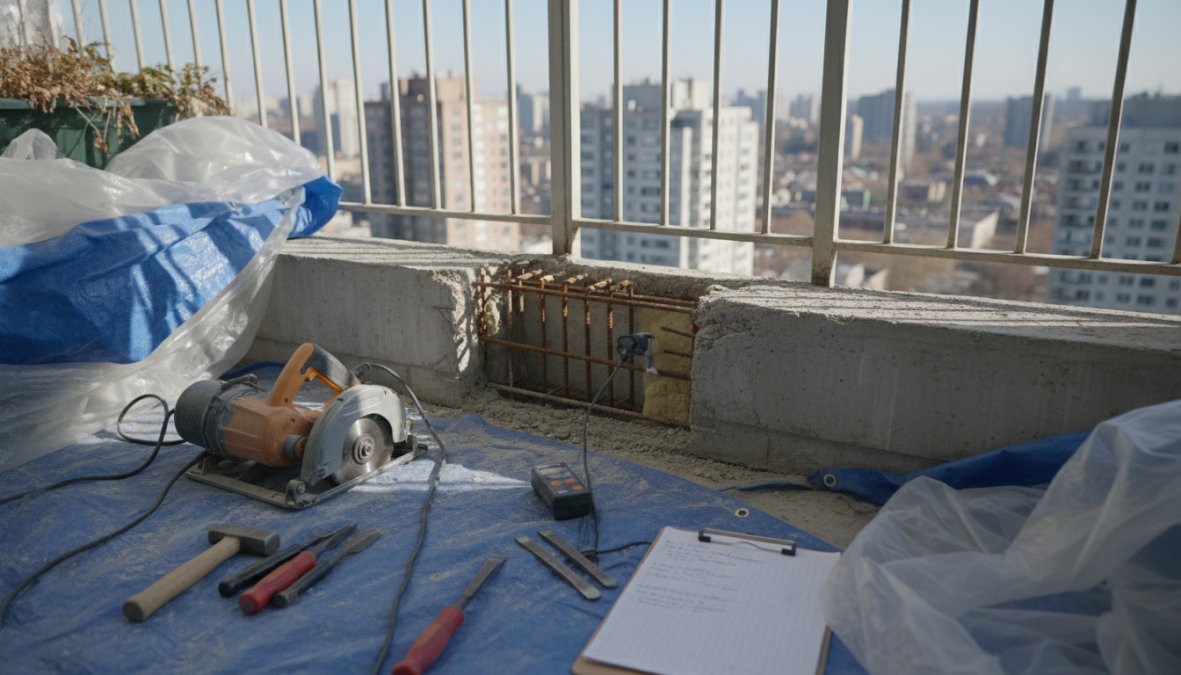
Table of Contents
- Understanding SB 721, SB 326, and Exploratory Openings
- Balcony Inspection Requirements Under California Law
- The Exploratory Opening Balcony Inspection Process: Step-by-Step
- Cost of Balcony Exploratory Openings and Budget Planning
- Balcony Structural Integrity Inspection and Damage Assessment
- Post-Exploration Restoration: Repair and Remediation
- Common Mistakes to Avoid During the Inspection Process
- Conclusion: Protecting Your Property and Residents
Last Updated: June 19, 2026
California’s balcony inspection laws caught many property owners off guard when enforcement deadlines began approaching. This guide covers what exploratory openings are, when they’re required, and how to manage the full process from initial assessment through post-repair restoration. We’ll show you how to plan, execute, and document balcony inspections in a way that satisfies California law, protects residents, and limits your liability exposure.
Understanding SB 721, SB 326, and Exploratory Openings
Two California laws govern balcony inspection requirements: SB 721 and SB 326. SB 721 applies to multifamily residential buildings with three or more units not governed by an HOA. SB 326 applies to common interest developments managed by HOAs, including condominiums. Both target the same structural concern: concealed framing in elevated exterior elements that can deteriorate silently until catastrophic failure occurs.
According to California Legislative Information on SB 721, the law was enacted following the 2015 Berkeley balcony collapse that killed six people, exposing how thoroughly moisture damage and dry rot can be hidden behind finished surfaces.
What Are Exploratory Openings?
An exploratory opening is a controlled, localized removal of finish materials such as stucco, sheathing, or decking to expose concealed structural framing for direct visual inspection. Exploratory openings are necessary when surface-level inspection cannot determine whether the load-bearing framing beneath is structurally sound. Think of it as creating a window into the building envelope.
The 15% Inspection Rule Explained
The 15% sample rule is the threshold that triggers expanded exploratory opening requirements. Inspectors must examine a statistically representative sample of each type of Exterior Elevated Element. If the initial sample reveals damage in at least 15% of inspected elements, the inspector must expand the inspection scope significantly, often to all units of that element type.
If your initial inspection sample hits the 15% damage threshold, you are legally required to expand the inspection. Failing to do so leaves you with documented knowledge of a potential safety hazard and no remediation plan, which dramatically increases liability exposure.
Balcony Inspection Requirements Under California Law
Building Code Compliance and Permit Exemptions
Exploratory openings for inspection purposes generally qualify for permit exemptions under California building codes, provided the work is limited to access for inspection and does not involve structural modification. However, this exemption is not universal. Local building departments in cities like Los Angeles, San Francisco, and San Diego may impose additional requirements.
The critical distinction: an exploratory opening that reveals damage requiring repair will almost certainly require a permit for the remediation work, even if the opening itself did not. Check with your local building department before work begins.
Qualified Inspector Credentials and Certification
A qualified inspector under SB 721 must be a licensed architect, licensed civil or structural engineer, or a licensed contractor with specific experience in elevated exterior elements. Under SB 326, the requirement is stricter: the inspector must be a licensed architect or structural engineer.
Always request a copy of your inspector’s license before work begins. Verify the license number through the California Contractors State License Board (CSLB) or the California Architects Board. An inspection conducted by an uncredentialed party has no legal standing under SB 721 or SB 326.
The Exploratory Opening Balcony Inspection Process: Step-by-Step
The exploratory opening balcony inspection process follows a defined sequence. Skipping steps, particularly the pre-inspection documentation phase, is the most common mistake property managers make.

Total Time: 1-3 days per building (varies by unit count and damage findings)
Pre-Inspection Planning and Visual Assessment
The inspection begins before any opening is made. A qualified inspector conducts a comprehensive visual inspection of all Exterior Elevated Elements from accessible vantage points, examining the building envelope, waterproofing membranes, flashing details, drainage patterns, and any visible signs of moisture accumulation, dry rot, or termite damage.
Pre-inspection planning includes reviewing original building plans, identifying all EEE types present, determining the required sample size, notifying tenants of access requirements, and confirming permit exemption status with the local building department.
Conducting Destructive Testing for Balconies
Once the visual assessment identifies target locations, the physical exploratory opening work begins. A licensed contractor typically performs the actual opening work under the direction of the qualified inspector.
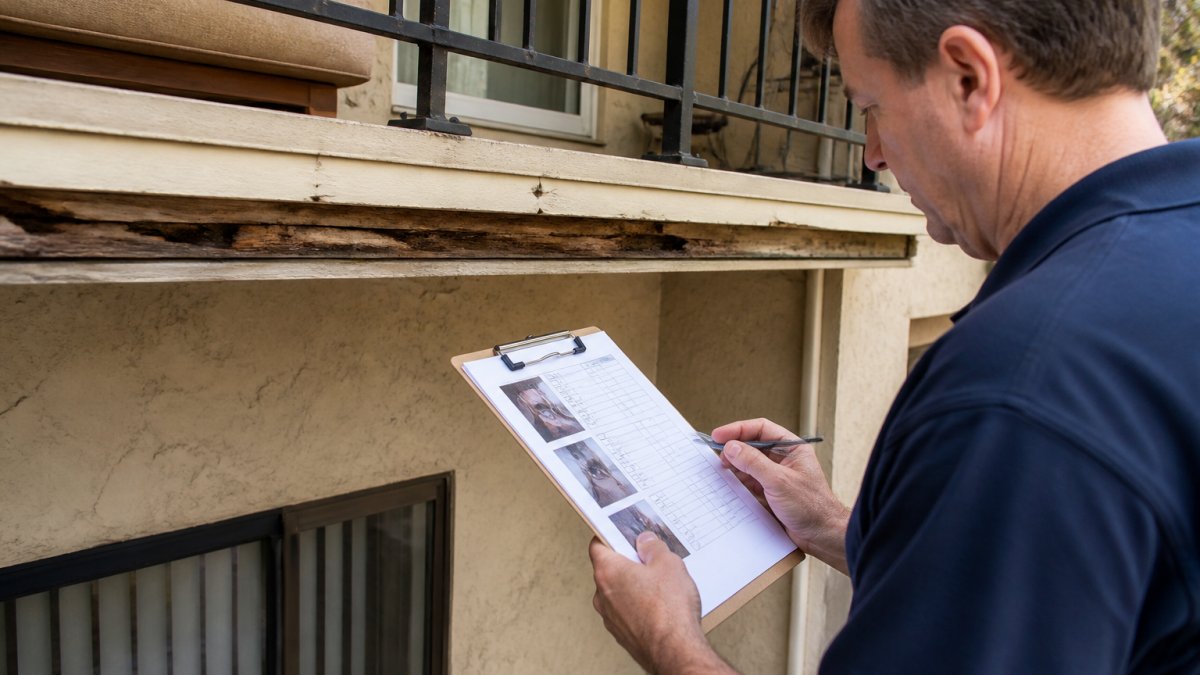
Standard destructive testing for balconies involves removing finish materials in a controlled, targeted area, exposing the structural framing and waterproofing layer, probing the wood framing with a moisture meter and pick test to assess integrity, and documenting all findings with photographs before any material is disturbed further.
Identifying Structural Defects and Moisture Damage
The qualified inspector evaluates the exposed framing for structural integrity, waterproofing failure, and biological degradation. Common findings include compromised ledger board connections, failed flashing that has allowed water intrusion, wood framing with moisture content above safe thresholds, and evidence of past repairs that may have masked underlying issues.
According to California Department of Housing and Community Development guidance on EEE inspections, inspectors must classify findings by severity and provide a clear recommendation for remediation timelines.
Cost of Balcony Exploratory Openings and Budget Planning
The cost of balcony exploratory openings varies considerably, and property owners who budget only for the baseline inspection frequently encounter significant cost overruns once expanded scope kicks in.
Factors Affecting Inspection Costs
| Cost Factor | Impact on Total Cost |
|---|---|
| Number of EEE units | Higher unit count = larger required sample |
| Building age and construction type | Older wood-frame buildings require more openings |
| Accessibility challenges | Upper-floor elements may require scaffolding or lifts |
| Damage findings triggering 15% rule | Can double or triple inspection scope |
| Local permit fees | Varies by jurisdiction |
| Restoration after openings | Often underestimated in initial budgets |
The restoration cost, the work required to close exploratory openings after inspection, is the line item most commonly omitted from initial budgets. A complete balcony inspection budget should include inspection fees, contractor fees for opening and closing work, permit fees, and a contingency for expanded scope.
ROI and Liability Protection Value
A single balcony collapse resulting in injury or death carries potential liability exposure that dwarfs the cost of any inspection program. Building owners with documented, current inspection reports are in a fundamentally different legal position than those without. Early identification of structural defects enables targeted repairs before damage spreads.
Balcony Structural Integrity Inspection and Damage Assessment
Common Findings: Dry Rot, Termite Damage, and Waterproofing Failure
Dry rot is the most common finding in California balcony inspections, particularly in coastal climates. Dry rot is a fungal decay process that destroys the structural integrity of wood framing while leaving the surface appearance relatively intact, which is precisely why visual inspection alone is insufficient.
Termite damage often co-occurs with moisture damage because termites are attracted to wood already weakened by moisture. Waterproofing failure is the root cause behind most structural damage findings.
Load-Bearing and Concealed Framing Issues
Load-bearing connections, particularly ledger boards anchored to the primary building structure, are the highest-stakes finding in any balcony structural integrity inspection. A compromised ledger board can cause catastrophic progressive collapse because it carries the entire weight of the balcony and its occupants.
Concealed framing issues are, by definition, invisible until an exploratory opening is made. This is why the law mandates physical openings rather than relying solely on visual inspection.
Post-Exploration Restoration: Repair and Remediation
The exploratory opening balcony inspection process doesn’t end when the inspector files a report. The physical openings must be properly closed, and any identified damage must be remediated to a standard that satisfies both the inspector and the building department.
Visual Documentation Standards for Restoration Work
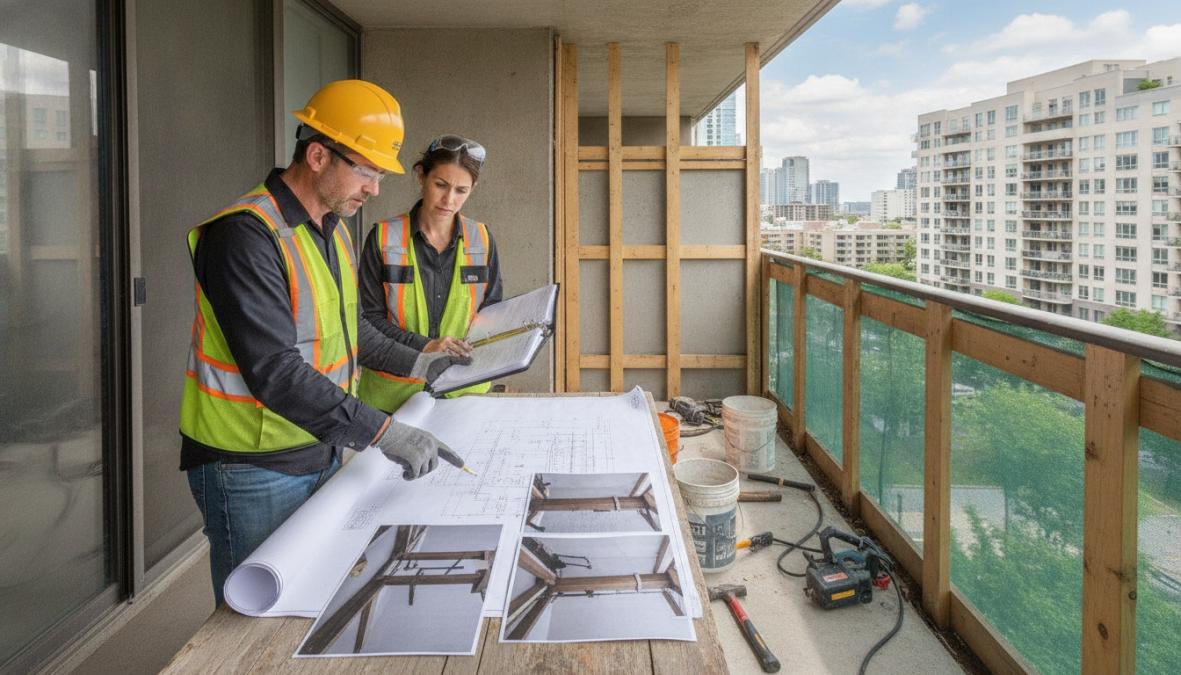
Documentation during restoration is as important as documentation during inspection. Every repair must be photographed before, during, and after completion. Visual documentation standards should include photographs of all damaged materials before removal, replacement material specifications, each stage of framing repair before sheathing is installed, waterproofing membrane installation with overlap measurements visible, completed flashing details, and the final closed-up condition.
Licensed Contractor Selection and Permit Requirements
Remediation work identified through the balcony inspection process requires a licensed contractor. For structural repairs, a contractor with a Class A (General Engineering) or Class B (General Building) license is appropriate. Permit requirements for remediation are determined by the scope and nature of the repair. Structural framing repairs almost always require a building permit and inspection by the local building department.
As documented in California Contractors State License Board guidance on licensed contractor requirements, hiring an unlicensed contractor for structural repair work voids your insurance coverage and creates direct personal liability for the property owner.
The restoration phase of the exploratory opening process determines whether your inspection investment produces lasting compliance or just a temporary paper trail. Cutting corners on documentation or contractor licensing during remediation undermines everything the inspection accomplished.
Tenant Communication and Property Access Templates
Tenant communication is a legal requirement. California law requires adequate notice before accessing occupied units for inspection or repair work. The standard notice period is 24 hours for non-emergency access.
Tenant Notice Template: Balcony Inspection Access
Dear [Tenant Name],
Our building is undergoing required balcony safety inspections as mandated by California law (SB 721/SB 326). A licensed inspection team will need access to your unit’s balcony/deck on [Date] between [Time Range].
This inspection is a legal requirement designed to ensure your safety. The inspector will examine the balcony structure and may need to make small exploratory openings in finish materials. Any openings will be restored to their original condition.
Please ensure the balcony is clear of furniture and personal items by [Date]. If you cannot accommodate this schedule, please contact [Property Manager Name] at [Contact Information] by [Response Deadline] to arrange an alternative time.
Thank you for your cooperation.
[Property Manager Name]
[Property Management Company]
[Contact Information]
Send this notice via a method that creates a delivery record, such as certified mail or email with read receipt.
Common Mistakes to Avoid During the Inspection Process
Underestimating the restoration budget. The cost of closing exploratory openings is routinely excluded from initial inspection budgets. Restoration to original condition can equal or exceed the cost of the inspection itself.
Selecting an unqualified inspector. Under SB 326, only licensed architects and structural engineers qualify. A licensed contractor does not meet the statutory requirement for HOA-governed properties.
Skipping pre-inspection documentation. Property owners who cannot demonstrate the pre-inspection condition of a balcony have no baseline against which to measure compliance.
Ignoring the 15% trigger. When initial findings hit the threshold, some property owners resist expanding the inspection scope to control costs. This creates documented knowledge of a potential safety hazard without a corresponding remediation plan.
Treating tenant communication as optional. Access disputes that delay inspections can push compliance deadlines past the statutory cutoff.
According to California Building Officials guidance on EEE compliance timelines, properties that fail to meet inspection deadlines face escalating enforcement actions including fines and mandatory repair orders.
The balcony inspection compliance process is genuinely complex, and the stakes for getting it wrong are high. Apex Balcony has worked with hundreds of building owners across California to complete SB 721 and SB 326 inspections efficiently, with licensed inspectors who bring decades of combined construction and design experience to every project. Our team handles the full scope from initial visual assessment through exploratory openings and final certification, giving property owners a clear path to compliance and the documentation needed to demonstrate it.
Frequently Asked Questions
What is an exploratory opening in the balcony inspection process?
An exploratory opening is a controlled, non-destructive or minimally destructive opening made in a balcony's exterior elements, such as railings, ledgers, or decking, to visually inspect concealed framing, structural integrity, and signs of moisture accumulation or decay. Under SB 721 and SB 326, qualified inspectors use exploratory openings to assess load-bearing components and identify defects like dry rot or termite damage that visual inspection alone cannot detect. These openings are carefully documented and restored after inspection.
Who is a qualified inspector for exploratory opening balcony inspections?
A qualified inspector must be a licensed structural engineer, architect, or certified building inspector with specific training in balcony and elevated exterior element inspection per California law. They must understand building code compliance, structural framing assessment, and the ability to identify safety hazards. Apex Balcony employs licensed inspectors with decades of combined construction and design experience, ensuring accurate evaluation of your property's structural integrity and full compliance with SB 721 and SB 326 requirements.
How much does destructive testing for balconies cost?
The cost of balcony exploratory openings typically ranges based on property size, complexity, and number of units. Factors affecting cost include the extent of destructive testing needed, building access, number of exterior elevated elements, and geographic location. While exploratory opening costs represent an upfront investment, they provide critical liability protection by identifying structural defects early, potentially preventing costly emergency repairs or safety incidents. Contact Apex Balcony for a detailed inspection quote tailored to your property's specific needs.
What happens if damage is found during the exploratory opening inspection?
If structural defects, moisture accumulation, dry rot, or other safety hazards are discovered during the exploratory opening balcony inspection process, the qualified inspector provides a detailed inspection report with remediation recommendations. Property owners must engage a licensed contractor to perform necessary repairs and address building envelope failures. A third-party evaluation may be required for load-bearing issues. The exploratory openings are then professionally restored, and documentation is provided for building department compliance and HOA liability protection.