Commercial Building Inspection: Complete Guide to Compliance
Learn what commercial building inspections cover, why they matter, and how to prepare. Discover inspection costs, standards, and negotiation strategies.
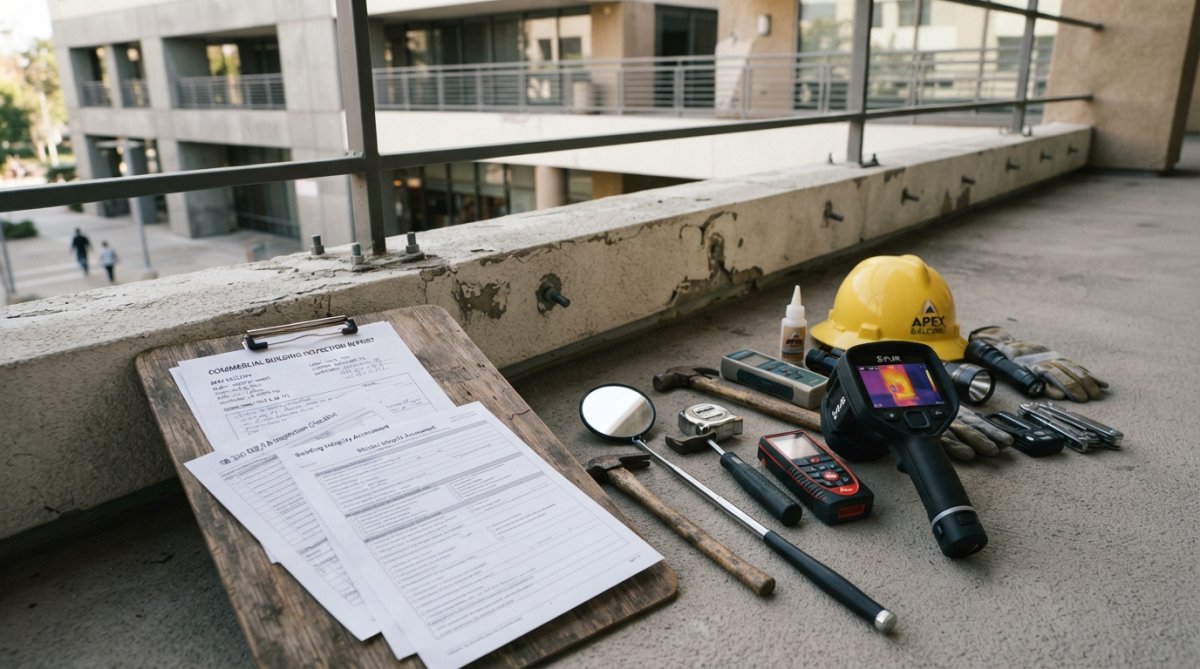
Table of Contents
- What Is a Commercial Building Inspection?
- What Do Commercial Inspectors Look For?
- Property Condition Assessment (PCA) and ASTM E2018 Standards
- Commercial Property Inspection Checklist for Property Owners
- Commercial Inspection Cost Breakdown and ROI Analysis
- Commercial Building Code Violations and Risk Assessment
- Environmental and Specialized Add-On Inspections
- How to Prepare for Your Commercial Building Inspection
Commercial Building Inspection: Complete Guide to Compliance
Last Updated: July 27, 2026
A commercial building inspection is a comprehensive assessment of a property’s structural integrity, mechanical systems, and code compliance, critical for protecting occupants and assets. Whether you’re purchasing, leasing, or managing a commercial property, understanding what inspectors evaluate and how to prepare can mean the difference between discovering costly problems early or facing expensive surprises after closing. This guide from Apex Balcony covers the full spectrum of commercial property inspections, from what inspectors look for to cost considerations and negotiation strategies.
ASTM International standards for property condition assessments
What Is a Commercial Building Inspection?
A commercial building inspection is a detailed visual examination of a property’s physical condition, performed by a licensed professional to identify defects, safety hazards, and code violations. Unlike residential inspections, commercial assessments evaluate larger, more complex building systems and must comply with specific standards like ASTM E2018.
The inspection typically covers the building envelope, structural components, HVAC systems, electrical panels, plumbing infrastructure, roofing systems, and fire safety systems. The inspector documents findings in a comprehensive Property Condition Report (PCR) or Property Condition Assessment (PCA), which becomes the foundation for negotiation, repair planning, and due diligence. Commercial inspections verify marketability, identify deferred maintenance, assess capital expenditure requirements, and ensure safety compliance. Many transactions require inspections before financing approval.
How It Differs From Residential Inspections
Commercial building inspections operate under different standards and scope than residential inspections. Key differences include:
- Scope and complexity: Commercial properties have multiple HVAC zones, larger electrical systems, sophisticated fire suppression systems, and elevator infrastructure
- Standards and regulations: Commercial inspections follow ASTM E2018 standards and address ADA compliance, building code violations, and commercial-specific safety requirements
- Report depth: Commercial PCRs typically run 50-100+ pages; residential reports average 20-30 pages
- Cost and timeline: Commercial inspections cost significantly more and take 1-3 days; residential inspections typically complete in 3-4 hours
- Specialization: Commercial inspectors often hold additional certifications in specific systems and possess decades of construction experience
What Do Commercial Inspectors Look For?
Licensed commercial inspectors evaluate dozens of building components across multiple systems. Their primary mission is identifying defects that affect safety, functionality, or property value.
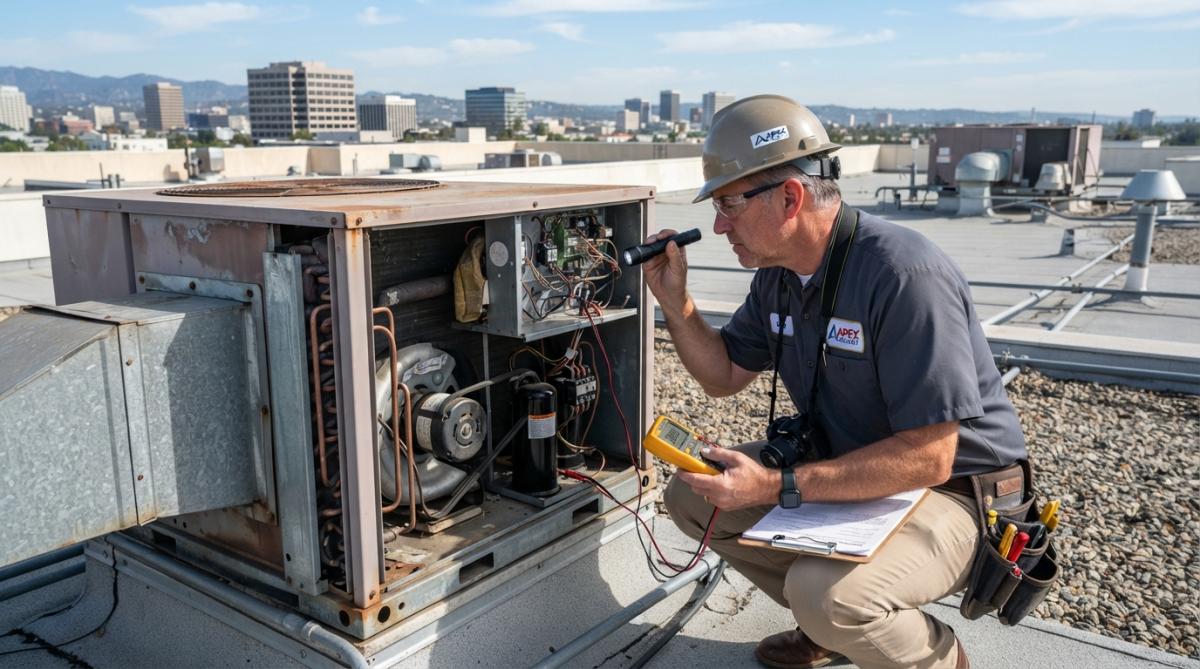
The inspection begins with the building envelope, exterior walls, windows, doors, and roof that protect the interior. Inspectors assess for water intrusion, cracks, deterioration, and proper drainage. They examine the foundation for settling, cracks, or structural movement. Mechanical systems receive detailed scrutiny, including HVAC operation, electrical panel safety, and plumbing integrity.
Major Building Systems and Components
HVAC Systems: Age, maintenance history, capacity, refrigerant type, ductwork condition, and energy efficiency. Aging HVAC units often represent the largest capital expenditure.
Electrical Systems: Panel amperage, circuit breaker condition, grounding, bonding, code compliance, and capacity. Outdated panels create fire hazards and expensive upgrade requirements.
Roofing Systems: Material type, age, remaining useful life, flashing condition, gutters, and drainage. Roof condition directly impacts insurance costs and structural integrity.
Plumbing Infrastructure: Water supply lines, drain systems, hot water heaters, backflow prevention, and code compliance. Cast iron drain lines in older buildings frequently require replacement.
Fire Safety Systems: Sprinkler systems, fire alarms, emergency exits, egress pathways, and ADA accessibility. Code violations can result in occupancy restrictions.
Building Envelope: Exterior walls, windows, doors, insulation, and moisture barriers. Water intrusion is one of the costliest problems in commercial properties.
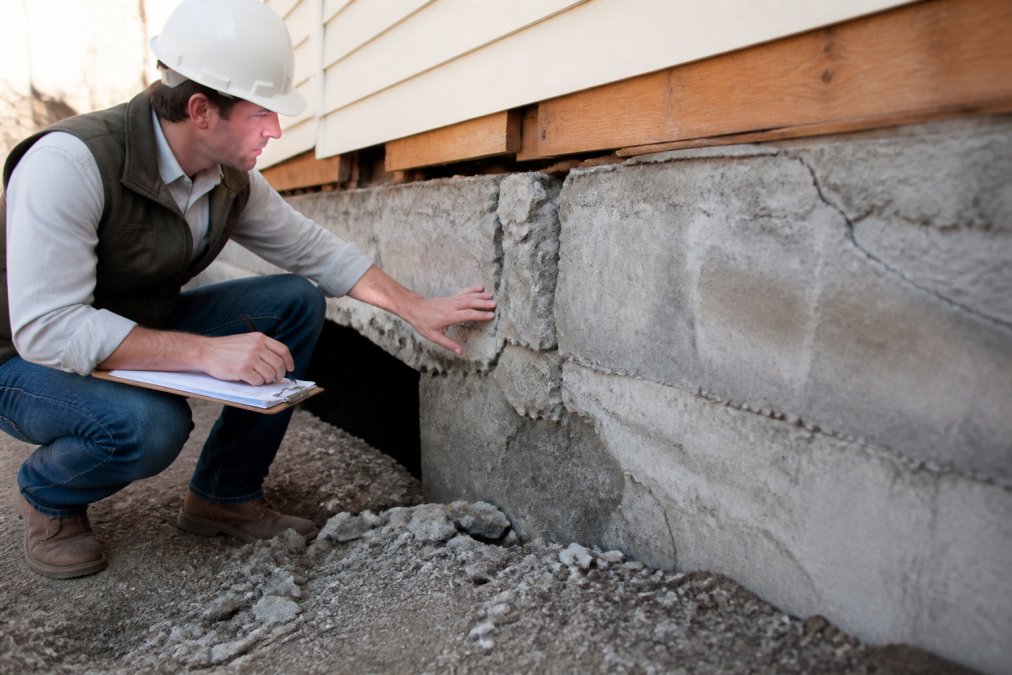
Structural Components: Foundation, load-bearing walls, columns, beams, and connections. Visible cracks or corrosion indicate serious concerns.
Property Condition Assessment (PCA) and ASTM E2018 Standards
A Property Condition Assessment follows the ASTM E2018 standard, which defines how professional inspectors evaluate commercial buildings. This standard ensures consistency, thoroughness, and defensibility of inspection findings.
ASTM E2018 divides building components into three categories: major building systems, site and grounds, and building envelope. Inspectors assess each component’s condition on a five-point scale: good, minor defects, major defects, failed, or not evaluated. The resulting Property Condition Report typically includes an executive summary, component-by-component assessment, estimated useful life for major systems, capital expenditure projections, photographs, and recommendations for further evaluation.
Many lenders and institutional investors require PCAs conducted to ASTM E2018 standards before approving financing. The report becomes a critical negotiation tool for requesting repair credits, rent reductions, or price adjustments.
ASTM E2018 standard specifications for property condition assessments
Commercial Property Inspection Checklist for Property Owners
Property owners preparing for a commercial building inspection should ensure access to all areas and have documentation ready. A thorough inspection typically requires 1-3 days depending on property size and complexity.
Pre-Inspection Preparation Steps
1. Provide building access and documentation (Complete 1 week before inspection)
- Ensure inspectors can access the roof, basement, mechanical rooms, and all tenant spaces
- Provide building blueprints, mechanical system manuals, and maintenance records
- Supply a list of recent repairs, renovations, or system replacements
2. Notify tenants and facility staff (Complete 3-5 days before inspection)
- Inform tenants of the inspection date and expected timeline
- Coordinate with building engineers or maintenance staff
- Arrange for someone to accompany the inspector and unlock spaces
3. Clear inspection areas (Complete 1-2 days before inspection)
- Remove clutter from mechanical rooms, basement, and roof access points
- Ensure electrical panels, HVAC units, and other major systems are visible and accessible
4. Compile system information (Complete before inspection)
- Gather maintenance records for HVAC, electrical, plumbing, and roofing systems
- Document recent capital improvements or repairs with dates and contractor information
- Provide any previous inspection reports or engineering studies
5. Address obvious hazards (Complete 1 week before inspection)
- Fix broken stairs, handrails, or egress pathway obstructions
- Repair active leaks or water damage visible to inspectors
| Preparation Task | Timeline | Owner Responsibility |
|---|---|---|
| Provide access and documentation | 1 week before | Building owner/manager |
| Notify tenants and staff | 3-5 days before | Building manager |
| Clear inspection areas | 1-2 days before | Maintenance staff |
| Compile system information | Before inspection | Owner/property manager |
| Address obvious hazards | 1 week before | Maintenance staff |
Commercial Inspection Cost Breakdown and ROI Analysis
Commercial building inspection costs vary significantly based on property size, age, complexity, and location. Understanding pricing helps property owners budget appropriately and evaluate inspector qualifications.
Understanding Pricing and Hidden Costs
Inspection fees typically range based on building square footage. Smaller commercial properties (5,000-25,000 sq ft) cost less than large office buildings or multi-unit complexes. Age and condition also influence pricing, as older buildings with multiple systems require longer inspection time.
The real value lies in catching major defects before purchase. A $3,000-$5,000 inspection that identifies a $50,000 roof replacement need represents exceptional ROI. A thorough commercial building inspection takes time, typically 8-16 hours for mid-size properties. Additional costs to budget for include specialized inspections (mold testing, asbestos surveys, Phase I environmental assessments) at $1,000-$5,000 each and drone roof inspections for buildings over 5 stories.
Post-Inspection Negotiation Strategies
The Property Condition Report becomes your negotiation tool immediately after inspection. Buyers and tenants use documented defects to request concessions from sellers or landlords.
For buyers: Request a price reduction equal to 50-75% of estimated repair costs. For major systems nearing end of useful life (HVAC, roof, electrical panel), negotiate replacement allowances rather than price reductions.
For tenants: Use PCA findings to negotiate rent reductions or require landlords to complete repairs before lease commencement. Document deferred maintenance and safety violations to strengthen your negotiating position.
Prioritization strategy: Focus negotiations on major systems and safety-critical items: HVAC replacement timelines, roof condition, electrical safety, plumbing reliability, and structural integrity.
Commercial Building Code Violations and Risk Assessment
Building code violations represent legal and financial risk. Inspectors identify violations during assessment, which become leverage in negotiations and may trigger mandatory remediation.
Common Defects and Safety Compliance Issues
Fire safety violations rank among the most serious. Blocked egress pathways, missing or non-functional fire alarms, inadequate signage, or non-compliant sprinkler systems can result in occupancy restrictions or closure orders.
Electrical violations include improper grounding, overcrowded panels, missing disconnect switches, and non-compliant wiring. Older buildings frequently have electrical systems that don’t meet current code standards.
ADA compliance issues affect accessibility for people with disabilities. Missing ramps, inadequate handrails, inaccessible restrooms, or improper door widths constitute violations requiring legal remediation.
Structural defects include foundation cracks, settling, corrosion of load-bearing members, or connections that don’t meet current standards. Structural issues require professional engineering evaluation.
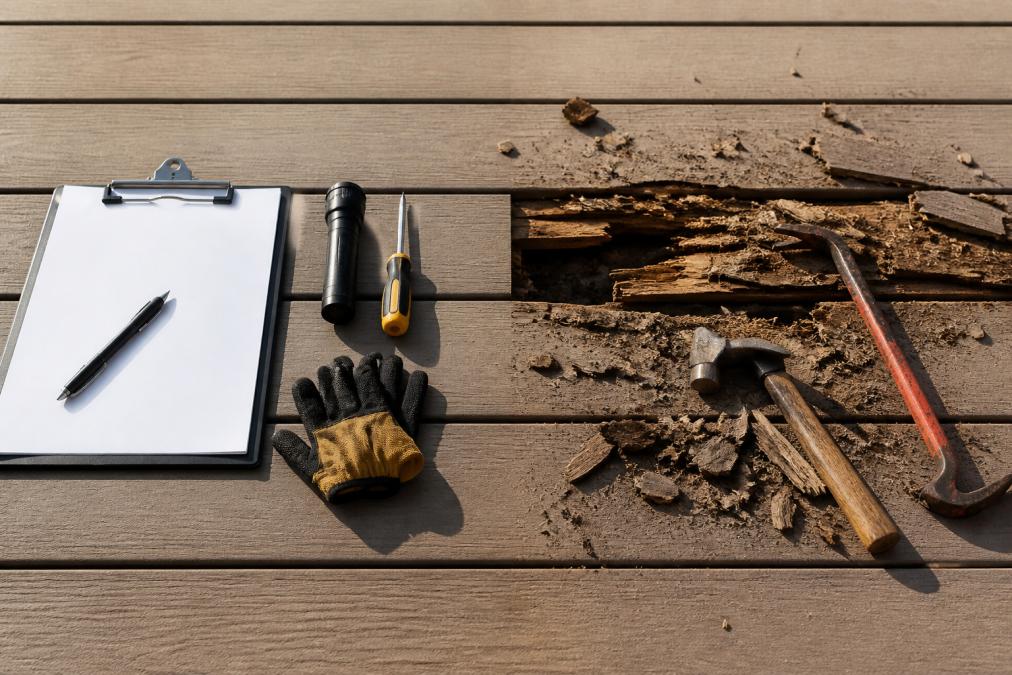
Water intrusion and moisture problems lead to mold growth, rot, and structural deterioration. Inspectors use moisture meters and thermal imaging to document these defects.
HVAC and ventilation inadequacies affect occupant comfort and indoor air quality. Undersized systems or improper ductwork create operational and health concerns.
Many building code violations can be corrected cost-effectively, but some require significant capital investment. The inspection report should specify which violations are mandatory (life safety) versus recommended improvements.
Environmental and Specialized Add-On Inspections
Standard commercial building inspections don’t include environmental assessment or specialized system evaluations. Property owners should consider add-on inspections based on property age, history, and intended use.
Phase I Environmental Site Assessment (ESA) evaluates the property’s environmental history and identifies potential contamination from previous industrial use or hazardous materials. Phase I assessments cost $1,500-$3,000 and are essential for any property with industrial history.
Asbestos surveys are critical for buildings constructed before 1980. Professional surveys identify asbestos-containing materials and assess removal or encapsulation needs. Surveys typically cost $800-$1,500.
Mold testing and assessment evaluate moisture conditions and identify mold growth. Testing costs $500-$2,000.
Radon testing measures radioactive gas levels in basements and lower levels. Testing costs $150-$500 and is recommended for properties in high-radon areas.
Lead paint assessment identifies lead-based paint in buildings constructed before 1978. Professional assessment and abatement planning cost $500-$2,000.
Structural engineering evaluation provides detailed analysis of foundations, load-bearing systems, and structural integrity. These specialized evaluations cost $2,000-$10,000 but provide confidence in structural soundness.
At Apex Balcony, we understand that comprehensive building assessment requires evaluating all systems. For California properties, specialized inspections often reveal compliance issues with SB 326 and SB 721 balcony safety laws, which require separate professional assessment of elevated exterior elements including balconies, decks, and stairways.
How to Prepare for Your Commercial Building Inspection
Successful inspections require coordination, access, and advance planning. Property owners and managers who prepare thoroughly get more thorough, accurate assessments.
Documentation and Access Requirements
Provide complete building access at least one week before the inspection date. Inspectors need access to roof areas, basement and crawl spaces, mechanical rooms, electrical panels, all tenant spaces, parking areas, and fire suppression system components.
Compile system documentation including original building blueprints, mechanical system manuals and warranties, maintenance records for HVAC, electrical, plumbing, and roofing, previous inspection reports, documentation of recent repairs or capital improvements, and permits and certificates of occupancy.
Prepare a building summary that includes year of construction and major renovations, square footage and number of units/tenants, major systems and their approximate age, known issues or areas of concern, and recent capital expenditures.
Schedule sufficient inspection time. A thorough commercial building inspection requires 8-16 hours for mid-size properties (25,000-100,000 sq ft) and 1-3 days for large or complex buildings.
Provide inspectors with a detailed site map showing mechanical room locations, electrical panel access, roof access points, and utility shut-offs. This reduces inspection time and ensures no systems are missed.
Coordinate with building staff. Ensure maintenance personnel or facility managers are available to unlock mechanical rooms, demonstrate HVAC system operation, show electrical panel locations, explain recent repairs, and provide access to building systems documentation.
Notify tenants in advance. For multi-tenant buildings, provide written notice that inspectors will access tenant spaces. Most inspectors coordinate access to minimize disruption.
Address safety hazards. While inspectors expect to find defects, ensure basic safety by clearing pathways to inspection areas, ensuring roof access is safe, fixing broken stairs or handrails, and ensuring adequate lighting in mechanical spaces.
Delaying your commercial building inspection until after purchase or lease signing is a costly mistake. Once you’re legally obligated, you lose negotiating leverage and may be stuck with expensive repairs. Schedule inspections during the due diligence period when you still have options.
A thorough commercial building inspection protects your investment and identifies problems before they become crises. Whether you’re buying, leasing, or managing a commercial property, understanding the inspection process and preparing properly ensures you get accurate, actionable findings.
Apex Balcony specializes in comprehensive building assessments that go beyond standard inspections. Our licensed inspectors bring decades of construction and design experience to identify early signs of structural failure and safety compliance issues. For California properties, we provide specialized expertise in SB 326 and SB 721 balcony compliance, critical requirements that protect residents and prevent costly violations. Book an inspection with Apex Balcony today and get the detailed assessment your property deserves.
Frequently Asked Questions
What is included in a commercial building inspection?
A commercial building inspection covers structural integrity, HVAC systems, roofing, electrical panels, plumbing infrastructure, building envelope, fire safety systems, and ADA compliance. Inspectors perform visual assessments of all major building systems and components to identify defects and deferred maintenance. The scope depends on property type and whether you request specialized add-ons like environmental testing or balcony inspections per SB 326 or SB 721.
How much does a commercial building inspection cost?
Commercial inspection cost varies based on property size, age, complexity, and location. Factors affecting pricing include building square footage, number of units, system accessibility, and whether specialized inspections are needed. For accurate pricing tailored to your specific property, contact a certified inspector directly for a quote. Many inspectors offer free initial consultations to assess your property's needs.
Why is a Property Condition Assessment (PCA) important for commercial properties?
A Property Condition Assessment (PCA) provides a comprehensive Property Condition Report (PCR) documenting the current state of all building systems and identifying capital expenditure (CapEx) needs. This due diligence protects buyers and lenders by revealing deferred maintenance, safety risks, and structural issues before purchase. A PCA following ASTM E2018 standards ensures consistent, professional evaluation across all properties.
What are common commercial building code violations found during inspections?
Common violations include inadequate fire safety systems, electrical panel deficiencies, ADA non-compliance, structural integrity issues, and deferred maintenance on roofing or HVAC systems. Building code violations can result in fines, liability exposure, and costly emergency repairs. A certified inspector identifies these issues early, allowing property owners to plan repairs and maintain safety compliance before violations escalate.
How can I prepare my property for a commercial building inspection?
Provide inspectors with access to all areas including mechanical rooms, attics, and basements. Gather maintenance records, building permits, and previous inspection reports. Clear pathways and ensure utilities are accessible. Document any known issues or recent repairs. Having building systems accessible and documentation ready streamlines the inspection process and helps inspectors provide a thorough, accurate assessment of your commercial property.