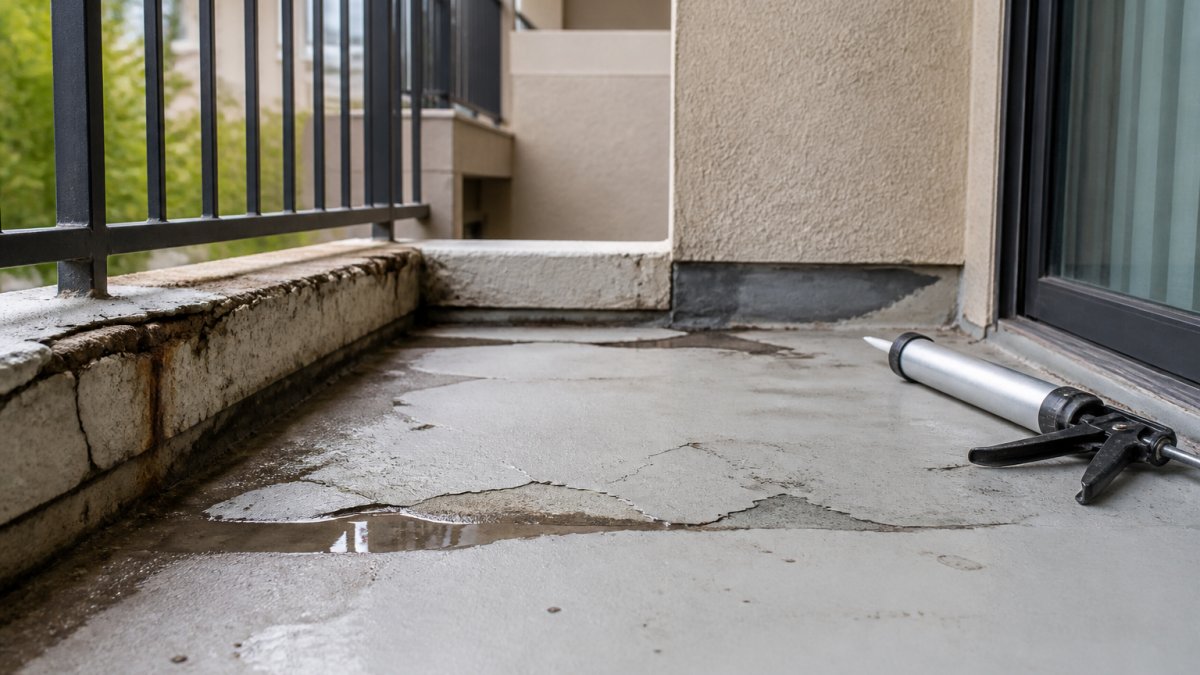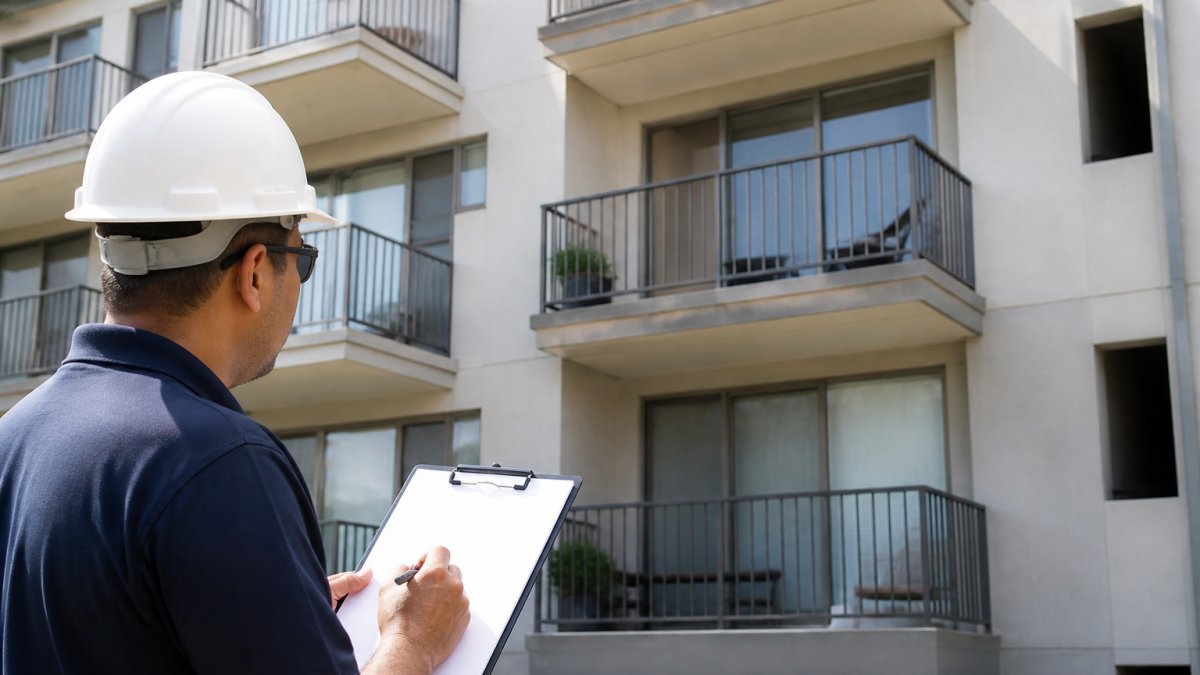
Multi-Unit Balcony Safety Compliance Tips: 2026 Guide
Learn essential multi-unit balcony safety compliance tips to meet SB 326 and SB 721 requirements. Get actionable steps to protect residents and avoid.
Table of Contents
- Understanding Multi-Unit Balcony Safety Compliance Requirements
- Creating a Balcony Inspection Checklist for Your Property
- Balcony Railing Height Requirements and Safety Standards
- Balcony Structural Integrity Testing Methods
- Consequences of Non-Compliance and Liability Risks
- Practical Multi-Unit Balcony Safety Compliance Workflow
- Conclusion
Multi-Unit Balcony Safety Compliance Tips: 2026 Guide
Last Updated: July 4, 2026
California property owners managing multi-unit residential buildings face increasingly stringent balcony safety requirements. Since 2018, two landmark bills, SB 326 and SB 721, have reshaped how building owners approach structural inspections and maintenance. This guide covers practical multi-unit balcony safety compliance tips that help you stay compliant, protect residents, and avoid costly liability.
Structural failures in elevated exterior elements have led to serious injuries and deaths. Building owners who fail to conduct proper inspections or delay necessary repairs face fines, legal liability, and reputational damage. Below, we’ll show you how to implement a systematic approach to balcony inspections, understand your legal obligations, and create documentation that protects your property.
Understanding Multi-Unit Balcony Safety Compliance Requirements
Balcony safety in California is governed by strict statutory requirements. These laws exist because elevated exterior elements represent significant structural risk if not properly maintained.
SB 326 and SB 721 Overview
SB 326, which took effect in January 2019, requires all multi-unit residential buildings to conduct visual inspections of exterior elevated elements. According to California Civil Code Section 5550, buildings with three or more units must complete a preliminary assessment within two years of the law’s effective date, then every nine years thereafter.
SB 721, enacted in 2018, applies to buildings with two or more units and mandates that balconies, decks, and stairways meet specific safety standards. The key distinction: SB 326 focuses on visual inspection requirements and timelines, while SB 721 addresses the actual structural standards balconies must meet. Both laws require documented evidence of compliance.
A critical detail many property owners miss: the inspection timeline resets after major repairs. If you conduct a full balcony replacement, the nine-year clock restarts.
Your Legal Obligations as a Property Owner
You must hire a licensed inspector or engineer to conduct visual inspections of all elevated exterior elements, document the inspection results, fund repairs identified during inspections, and disclose your compliance status to residents and prospective buyers.
The Davis-Stirling Act reinforces these obligations by requiring HOA boards to act as fiduciaries with a legal duty to reserve sufficient funds for structural repairs. California Department of Consumer Affairs guidance on HOA compliance clarifies that property owners cannot defer balcony repairs indefinitely. Once an inspection identifies defects, you typically have 180 days to address critical safety issues.
Compliance requires inspection, documentation, repair funding, contractor oversight, and ongoing monitoring. Each step has legal weight.
Creating a Balcony Inspection Checklist for Your Property
A thorough inspection checklist ensures consistent evaluation across all balconies and creates defensible documentation.
Essential Items to Inspect
Your checklist should include:
Railing and guardrail systems: Check for proper height (42 inches minimum), spacing of balusters (no more than 4 inches between vertical members), and overall structural integrity. Look for rusted fasteners, cracked welds, and loose connections.
Decking materials: Inspect for rot, water damage, splintering, and separation. Wood decks require close attention to moisture intrusion. Concrete decks need evaluation for spalling, cracking, and delamination.
Flashing and waterproofing: Check where the balcony connects to the building. Deteriorated flashing allows water to penetrate behind the balcony, causing hidden structural damage.
Fasteners and connections: Examine bolts, welds, and anchor points for corrosion, looseness, or deterioration.
Ledger boards and rim joists: These critical load-bearing components must be securely attached and free from rot.
Stairs and landings: Inspect treads for wear, handrails for security, and structural support for damage.
Drainage systems: Blocked drains allow water to pool on decks, accelerating rot.
Create a photographic record during inspections. Take photos of every balcony from multiple angles, including close-ups of problem areas. This documentation becomes invaluable if repairs are disputed or liability questions arise later.
Documentation and Record-Keeping
Documentation is where many property owners fall short. Your records must include inspection reports signed and dated by the licensed inspector, photographic evidence, repair orders and completion certificates, reserve study updates, disclosure documents, and a compliance timeline showing when inspections were conducted and when repairs are needed.
Store these records in a centralized location accessible to your board and management. Many property managers use cloud-based systems for easy retrieval and version control.
Balcony Railing Height Requirements and Safety Standards
Balcony railing height and design are among the most commonly violated safety requirements. These specifications exist because inadequate railings contribute to falls, the leading cause of balcony-related injuries.
Code Compliance Measurements
California Building Code specifies that balcony railings must be at least 42 inches high, measured from the deck surface to the top of the railing. The spacing between vertical balusters cannot exceed 4 inches, preventing children from getting stuck or falling through gaps. Horizontal rails must be spaced no more than 6 inches apart measured vertically.
The railing must withstand a horizontal force of 200 pounds applied at any point without failing. Glass railings must be tempered or laminated safety glass at least 3/8 inch thick. Handrails on stairs and ramps must be between 34 and 38 inches high, measured from the stair nosing.
Many buildings constructed before 2000 have railings that don’t meet current code. If your inspection reveals non-compliant railings, you must schedule replacement. Courts have held property owners liable for injuries caused by code-noncompliant railings, even if the injury occurred years after construction.
Common Height Violations and Fixes
The most common violation is undersized railings, typically 36 inches or less on older buildings. Raising a railing to code requires either adding a top rail extension or replacing the entire railing system.
Spacing violations occur when balusters are more than 4 inches apart. Fixes include installing intermediate balusters or replacing the entire railing section.
Loose or corroded fasteners weaken railings significantly. If your inspection finds rusted bolts or loose connections, these must be tightened or replaced immediately.
When repairs are needed, hire a contractor experienced in balcony work. Ensure all work is inspected and documented.
Balcony Structural Integrity Testing Methods
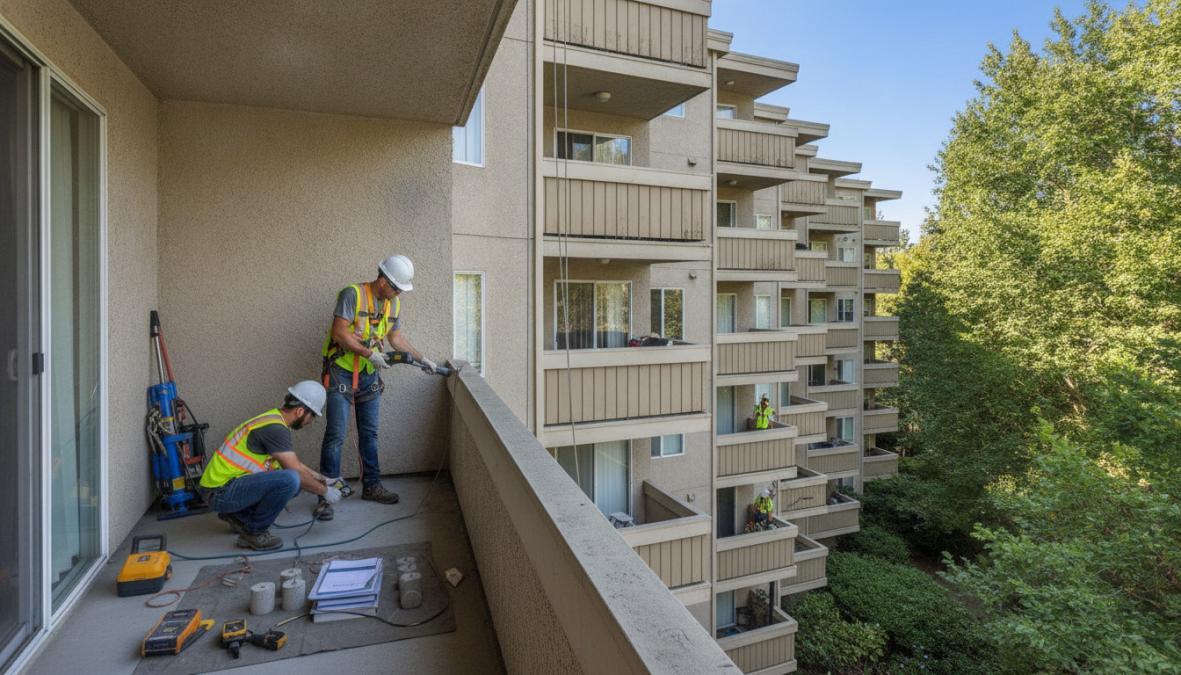
Structural integrity testing goes beyond visual inspection and identifies hidden damage that visual assessment alone cannot detect.
Professional Testing Approaches
Moisture testing: Moisture meters detect water penetration in wood and behind surface materials, indicating active rot risk.
Thermal imaging: Infrared cameras reveal moisture and thermal anomalies invisible to the naked eye, identifying water intrusion patterns and delamination in concrete.
Ultrasonic testing: Sound wave analysis measures material thickness and identifies internal voids or delamination.
Core sampling: For concrete balconies, drilling small cores and analyzing the concrete composition reveals carbonation and reinforcement corrosion.
Load testing: Controlled load testing can verify whether a balcony safely supports design loads, though this is expensive and typically reserved for critical situations.
Fastener testing: Pull testing on bolts and anchors measures actual strength, revealing whether corroded fasteners have lost significant strength.
When to Call Licensed Inspectors
You must hire a licensed structural engineer or inspector for your formal compliance inspections. Call a licensed inspector when your nine-year inspection cycle requires assessment, visual inspection reveals potential structural issues, you’re considering a building purchase, residents report safety concerns, you’re planning major renovations affecting balconies, or insurance or lender requirements mandate professional inspection.
Licensed inspectors understand California code requirements and provide reports that carry legal weight and are defensible in court.
Consequences of Non-Compliance and Liability Risks
Property owners who fail to conduct required inspections face civil penalties and citations. More importantly, failure to inspect removes your legal protection if an injury occurs.
If a resident or visitor is injured due to a balcony defect and you failed to conduct required inspections or document findings, you lose the defense that you acted responsibly. Juries view this failure as negligence, exposing you to medical costs, lost wages, pain and suffering, and punitive damages.
Structural failures can result in catastrophic injuries or deaths, attracting media attention and regulatory scrutiny. Lenders and insurers increasingly require proof of balcony compliance; failure can result in higher premiums, loan denial, or policy cancellation.
HOA board members can face personal liability if they knowingly defer balcony repairs or fail to fund reserves adequately. The financial cost of deferred maintenance compounds, a small repair identified early might cost $5,000, while the same repair deferred five years might cost $50,000 after water damage spreads.
Practical Multi-Unit Balcony Safety Compliance Workflow
Compliance requires systematic implementation through a documented workflow.
Step-by-Step Implementation Plan
Step 1: Determine your inspection deadline. Calculate your deadline based on when your building was first subject to the law. If you’ve already completed an inspection, your next one is due nine years later.
Step 2: Hire a licensed inspector. Solicit bids from at least three qualified structural engineers or balcony inspectors. Ask for references and verify they understand SB 326 and SB 721 requirements.
Step 3: Conduct the inspection. Schedule at a time that minimizes disruption to residents. The inspector will visually examine all balconies, document findings photographically, and compile a formal report.
Step 4: Review the inspection report. Meet with your board and property manager to review findings. Categorize defects by severity: critical (immediate repair needed), significant (repair within 12 months), and minor (monitor and repair during planned maintenance).
Step 5: Develop a repair plan. Obtain repair estimates from qualified contractors. Prioritize repairs by severity and cost. Create a timeline for completion.
Step 6: Fund the repairs. Update your reserve study to reflect balcony repair costs. If reserves are insufficient, plan for a special assessment or gradual funding. Document the funding decision in board minutes.
Step 7: Oversee repair work. Hire contractors experienced in balcony work. Require proof of licensing and insurance. Schedule inspections during work to verify quality.
Step 8: Document completion. Collect all repair documentation, invoices, photographs, contractor certifications, and inspector sign-offs.
Step 9: Disclose compliance status. Provide required disclosures to residents and prospective buyers, including inspection reports and repair completion documentation.
Step 10: Plan the next cycle. Mark your calendar for the next required inspection nine years out.
The difference between compliant and non-compliant buildings is documentation. A building with minor defects but thorough documentation is legally protected. Make documentation your priority.
Timeline and Resource Management
A typical compliance cycle spans 12-18 months from inspection to repair completion. Resource allocation matters, assign one board member or manager as the point person for the compliance project.
Budget for professional services: inspection ($3,000-$8,000), reserve study update ($1,500-$3,000), and contractor oversight ($500-$2,000). Resident communication is critical, explain why inspections are required, what findings mean, and how repairs will proceed.
Balcony safety compliance protects your residents and your building. The multi-unit balcony safety compliance tips outlined here provide a clear path from inspection through documented repair completion. Apex Balcony specializes in helping property owners navigate this process. Our licensed inspectors conduct thorough assessments, document findings comprehensively, and identify early signs of structural failure before they become expensive problems. Book an inspection with Apex Balcony today and establish a compliance plan that keeps your property secure and legally protected.
Frequently Asked Questions
What are the main balcony safety requirements for multi-unit buildings in California?
California's SB 326 and SB 721 require multi-unit buildings to conduct regular balcony inspections, maintain structural integrity, ensure proper railing heights (typically 36-42 inches), and address deterioration promptly. Property owners must document all inspections and repairs, maintain adequate reserves for balcony maintenance, and disclose balcony conditions to residents. Non-compliance can result in fines, liability for injuries, and forced building closures.
How often should balcony inspections occur at multi-unit properties?
California law requires initial inspections by January 1, 2025, with subsequent inspections every 3 years for properties built before 1995, and every 6 years for newer construction. However, annual visual inspections are recommended as a best practice. Properties with identified deterioration or previous violations may require more frequent inspections. Licensed inspectors should perform comprehensive structural assessments during official inspection cycles.
What should be included in a balcony inspection checklist?
A thorough balcony inspection checklist must cover: railing height and stability, fastener conditions, wood rot and corrosion, waterproofing and drainage, ledger board attachment, visible cracks or spalling, baluster spacing, and load-bearing capacity. Document findings with photos, measurements, and detailed notes. Include assessment of all railings, stairs, and elevated exterior elements. Professional inspectors use standardized checklists aligned with building codes to ensure comprehensive coverage.
What are the consequences of failing to comply with multi-unit balcony safety regulations?
Non-compliance can result in significant penalties: civil fines up to $5,000 per violation, liability for resident injuries or deaths, mandatory building closures, increased insurance premiums, and legal action from residents or city agencies. Property owners may face personal liability if negligence is proven. Proactive compliance protects residents, avoids costly litigation, maintains property values, and demonstrates responsible property management.