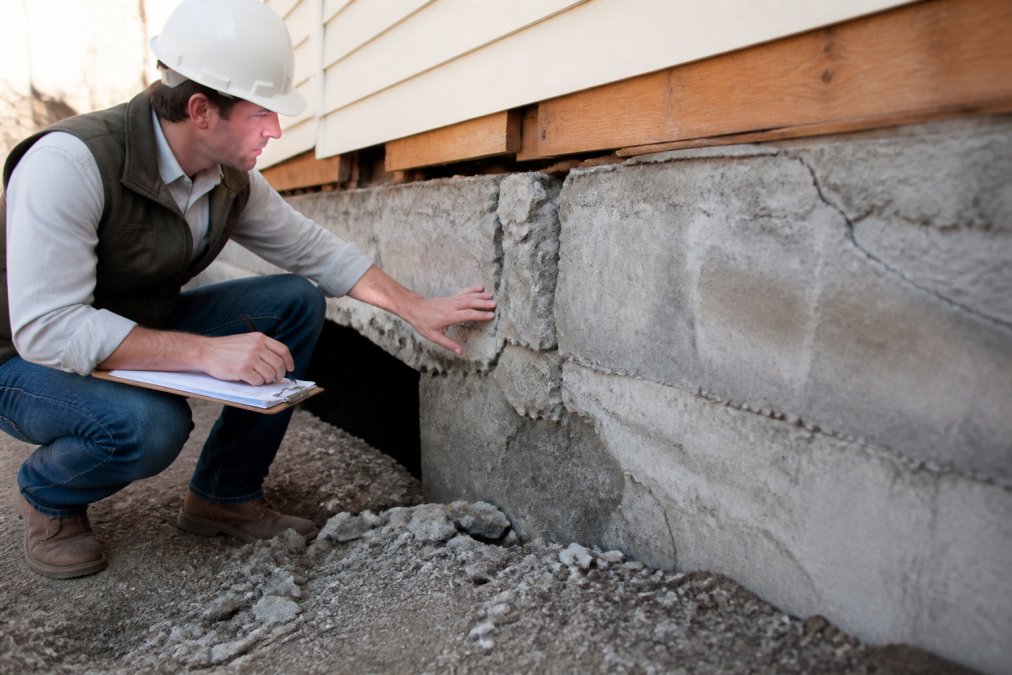
Early SB 721 Compliance: Financial & Legal Benefits
Discover the financial ROI, liability protection, and asset preservation benefits of early SB 721 compliance for California multifamily properties. Learn.
Table of Contents
- Why Early SB 721 Compliance Matters: Beyond Legal Obligation
- Financial ROI of Early SB 721 Compliance: Protecting Your Reserve Fund
- SB 721 Inspection Requirements: The Foundation of Early Detection
- SB 721 Deadlines and Compliance Timeline: Planning Your Inspection Cycle
- SB 721 Penalties for Non-Compliance: What’s at Stake
- SB 721 Compliance Checklist: Step-by-Step Vendor Selection & Implementation
- Liability Mitigation and Legal Protection Through Proactive Action
- Conclusion: Early Action Protects Assets, Residents, and Your Bottom Line
Last Updated: July 20, 2026
Why Early SB 721 Compliance Matters: Beyond Legal Obligation
Early SB 721 compliance protects residents, preserves structural integrity, and safeguards financial reserves. Property owners who act proactively spend significantly less than those who delay until enforcement action forces their hand.
SB 721 requires owners of multifamily residential buildings to conduct professional inspections of exterior elevated elements, balconies, decks, stairs, and walkways, and certify compliance. But the law is just the starting point. The real opportunity lies in using inspection as a strategic asset protection tool.
When you delay, minor issues compound. Waterproofing failures costing $5,000 today become $25,000 problems in two years. You also lose negotiating power: emergency repairs command premium pricing, and contractors prioritize scheduled work over crisis jobs. Early compliance flips this dynamic. You control the timeline, scope, and budget while eliminating liability exposure that comes from knowing about a safety defect and doing nothing.
According to California Department of Housing and Community Development guidance on SB 721, building owners bear full responsibility for structural safety once aware of defects. That awareness triggers a legal duty to repair. Early inspection and documented remediation is your legal shield.
Early SB 721 compliance transforms inspection from a compliance checkbox into a financial and legal strategy that protects your assets, residents, and reputation.
Financial ROI of Early SB 721 Compliance: Protecting Your Reserve Fund
The financial case for early compliance is straightforward: controlled spending beats emergency spending every time.
Avoiding Emergency Repair Costs
Structural deterioration follows a predictable pattern. Waterproofing fails, water intrudes, framing rots, and corrosion accelerates. Early inspection catches problems at stage one or two. A membrane repair or minor framing reinforcement costs thousands. The same building owner who delays until visible structural damage faces demolition and reconstruction, costs exceeding $50,000 per unit.
Emergency repairs disrupt tenant occupancy, trigger insurance claims that increase premiums, create liability exposure, and damage your reputation. Early inspection means working with a licensed professional who documents exactly what they find and what it means for safety. You have time to plan repairs, budget them properly, and execute them on your schedule.
Spreading Compliance Costs Over Time
Most owners think of SB 721 compliance as a single cost: the inspection fee. The real benefit of early action is spreading total compliance costs across multiple budget cycles instead of absorbing them in one catastrophic year.
Consider a 20-unit building where inspection reveals dry rot in three balconies, waterproofing failures on two others, and minor corrosion on stairway railings. Total repair estimate: $120,000. An owner who planned early can budget $30,000 in year one for critical repairs, $35,000 in year two, $25,000 in year three, and $30,000 in year four. This staged approach preserves your reserve fund, avoids special assessments, and prevents deferred maintenance cascades.
Schedule your SB 721 inspection at the start of your fiscal year, not the end. This gives you maximum time to budget repairs and integrate them into your long-term capital plan.
SB 721 Inspection Requirements: The Foundation of Early Detection
SB 721 defines "exterior elevated elements" broadly: balconies, decks, stairs, walkways, and any structural element that rises above ground and could cause injury if it failed.
The inspection focuses on load-bearing components and their connections. A licensed architect or structural engineer examines framing and structural members for rot, corrosion, or damage; connections and fasteners for deterioration; waterproofing membranes and flashings for breaches; guardrails for code compliance; and overall structural integrity under design loads.
The inspector produces a certification document listing all findings and categorizing them by urgency. Some require repair within 120 days; others can be addressed in the next maintenance cycle. Early inspection catches problems while still minor. A waterproofing failure identified in year one can be patched; the same failure in year three has caused framing damage requiring structural repair.
Research from American Society of Civil Engineers on structural assessment best practices shows early identification of structural issues reduces overall remediation costs by 40-60% compared to emergency repairs by preventing secondary damage.
SB 721 Deadlines and Compliance Timeline: Planning Your Inspection Cycle
SB 721 compliance operates on a strict timeline. The law requires reinspection every six years from your last inspection date.
If your building was inspected in 2022, you must reinspect by 2028. Don’t wait until year five of your six-year cycle to schedule reinspection. Instead, plan for year four. This gives you two years to address findings before the next deadline and prevents the scenario where reinspection reveals urgent repairs with only months to complete them.
For repairs identified as urgent, the law provides a 120-day repair window from notification. Early inspection gives you clarity on what’s truly urgent versus routine maintenance. Once repairs are complete, you must obtain a new certification from a licensed professional confirming defects have been remedied.
Early compliance means your inspection and repair cycle is predictable and integrated into capital planning. Emergency compliance means scrambling to meet deadlines while managing unexpected costs.
If your last SB 721 inspection was more than 5 years ago, schedule your reinspection immediately. Waiting until year six leaves no time to address findings before the deadline.
SB 721 Penalties for Non-Compliance: What’s at Stake
Building owners who fail to conduct required inspections face civil penalties from local enforcement agencies starting at hundreds of dollars per day and escalating into thousands. For a 50-unit building missing the reinspection deadline by 60 days, accumulated penalties can reach $30,000 or more.
If a defect exists and you fail to repair it within 120 days, you face liability for any injuries that result. A balcony collapse creates premises liability claims that can exceed insurance coverage and create personal liability for board members. Insurance implications compound the problem: if your building suffers structural failure and the insurer discovers SB 721 non-compliance, they may deny your claim or cancel your policy.
Early compliance eliminates these risks. You have documented inspections, compliance certification, and a repair plan. If a problem occurs, you have evidence that you acted responsibly and in good faith.
SB 721 Compliance Checklist: Step-by-Step Vendor Selection & Implementation
Implementing early SB 721 compliance requires a structured approach.
Phase One: Assessment and Planning
- Determine your building’s current inspection status
- Confirm your reinspection deadline
- Review capital reserves for potential repair budgets
- Identify which balconies, decks, stairs, and walkways are subject to SB 721
Phase Two: Vendor Selection
- Identify licensed architects or structural engineers with SB 721 experience
- Request references from at least three firms
- Request detailed scope of work and timeline
- Confirm insurance coverage and licensing status
Phase Three: Inspection and Reporting
- Schedule inspection to minimize tenant disruption
- Ensure inspector has access to all exterior elevated elements
- Review inspection report and request clarification
- Obtain compliance certification
Phase Four: Repair Planning
- Categorize findings by urgency
- Obtain repair estimates from qualified contractors
- Integrate repairs into capital budget across multiple fiscal years
- Communicate findings and repair plans to board and residents
How to Select a Licensed Professional
Start by asking for references and calling previous clients about the inspector’s thoroughness and communication. Verify licensing through the California Architects Board or Professional Engineers Board. Ask about their inspection process: do they use moisture meters, borescopes, and detailed photography? Request a sample report and review it for clarity, specificity, and professionalism.
Tenant Communication Strategy
Send a notice at least two weeks before inspection. Explain that the inspection is required by California law and is a safety measure. Emphasize that inspection doesn’t necessarily mean repairs are needed. After inspection, share a summary of findings and frame any issues in the context of the repair plan.
Integrating Inspection Findings Into Long-Term Capital Planning
After inspection, map all identified repairs onto your five-year capital budget. Prioritize by urgency and cost. Look for opportunities to bundle repairs to reduce mobilization costs. Use inspection findings to refine your reserve fund study. Document everything: inspection reports, repair estimates, and invoices become invaluable if you face a liability claim.
| Phase | Timeline | Key Action | Impact on Budget |
|---|---|---|---|
| Assessment | Month 1 | Determine inspection status and deadline | Clarifies urgency |
| Vendor Selection | Month 1-2 | Choose licensed professional | Sets inspection cost |
| Inspection | Month 2-3 | Conduct thorough examination | Identifies repair needs |
| Planning | Month 3-4 | Categorize findings and obtain estimates | Enables multi-year budgeting |
| Repair Phase 1 | Year 1 | Address urgent/critical items | Protects safety, spreads costs |
| Repair Phase 2 | Year 2-3 | Complete secondary repairs | Manages cash flow |
| Certification | Year 3-4 | Obtain compliance certification | Documents completion |
Liability Mitigation and Legal Protection Through Proactive Action
Early SB 721 compliance is fundamentally a liability management strategy. Once aware of a structural defect in an exterior elevated element, California law imposes a duty to repair it. This duty arises the moment you know or should know about the problem.
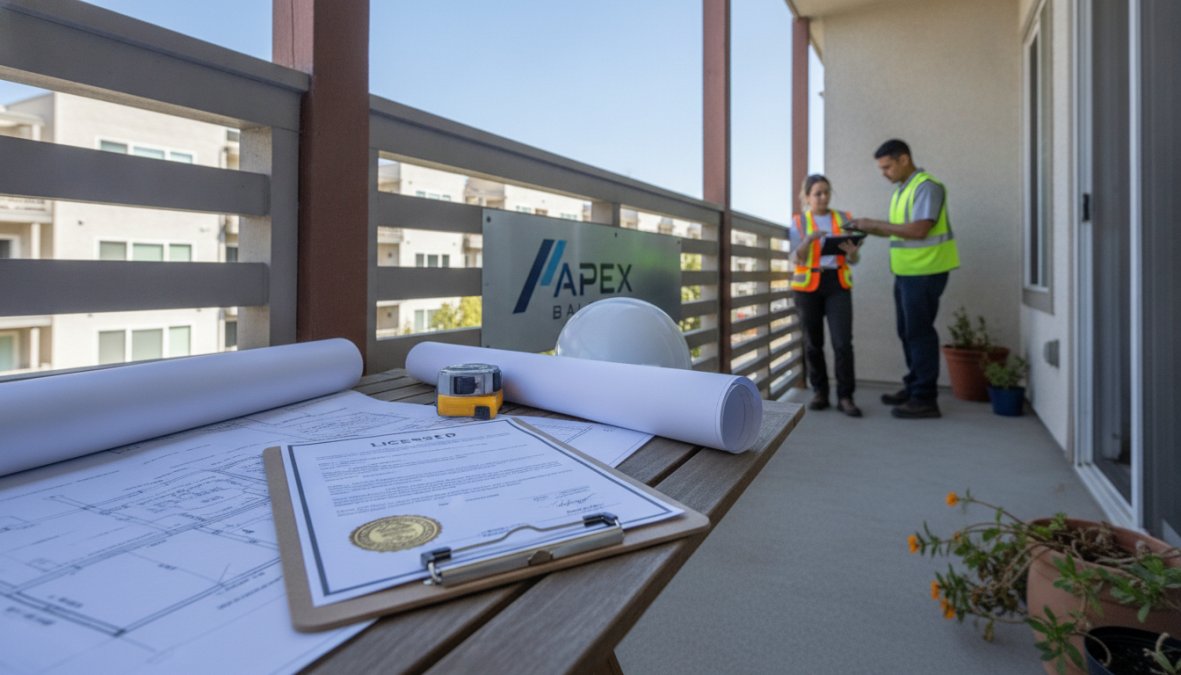
Early inspection converts this liability into a managed responsibility. You have a documented baseline, professional assessment of what’s safe, and a compliance certification. If a problem occurs after inspection and you’ve followed recommended repairs, you have evidence that you acted responsibly.
Compare this to the owner who delays inspection. If an incident occurs and the owner never inspected, they face liability for failing to discover a defect. If they inspected but didn’t repair, they face liability for knowing about the problem and ignoring it.
Insurance companies increasingly require compliance with local building codes and safety laws as a condition of coverage. Non-compliance with SB 721 can void your insurance or trigger non-renewal. Early compliance also protects board members personally: a board that conducted early inspection, documented findings, and implemented repairs has a strong defense against negligence claims.
Early SB 721 compliance creates a documented record of responsible ownership that protects you legally, financially, and operationally.
Conclusion: Early Action Protects Assets, Residents, and Your Bottom Line
Early inspection prevents minor problems from becoming major ones. It spreads repair costs across multiple budget cycles instead of creating a funding crisis. It protects you from liability exposure and insurance complications. It gives you control over your compliance timeline instead of letting enforcement action dictate it.
Don’t wait for enforcement action or structural failure to force your hand. Schedule your SB 721 inspection today and take control of your compliance strategy. Early action protects your residents, preserves your reserve fund, and keeps your property compliant and safe.
Book an inspection with Apex Balcony and get started protecting your building’s future.
Frequently Asked Questions
What are the penalties for not complying with SB 721?
Non-compliance with SB 721 can result in significant civil penalties assessed by local enforcement agencies. Beyond financial fines, property owners face escalating consequences: buildings can be cited for code violations, insurance premiums may increase substantially, and in worst-case scenarios, units may be deemed uninhabitable. Most critically, if a structural failure or resident injury occurs on non-inspected balconies, owners face severe liability exposure and potential legal action. Early SB 721 compliance eliminates these risks entirely.
What does an SB 721 inspection involve and why does early inspection prevent costly repairs?
An SB 721 inspection examines all exterior elevated elements (EEEs), balconies, decks, stairs, and walkways, for structural integrity issues including dry rot, termite damage, corrosion, waterproofing failures, and load-bearing defects. Licensed professionals assess damage severity and recommend repairs. Early inspection catches problems in their infancy: a small water intrusion found early costs far less to fix than structural rot discovered after years of damage accumulation. This proactive maintenance approach protects your building's structural integrity and keeps repair budgets predictable.
How do I know if my building needs SB 721 or SB 326 inspection?
SB 721 applies to multifamily residential buildings with exterior elevated elements (balconies, decks, stairs) that are more than six feet above ground. SB 326 covers similar properties but focuses on a different compliance timeline. The distinction matters for your inspection schedule. If you're unsure which applies, a licensed architect or structural engineer can quickly determine your building's classification. Most multifamily properties with balconies fall under SB 721. Early clarification ensures you meet the correct deadlines and avoid penalties.
What should I look for when selecting a vendor for SB 721 inspection?
Choose only licensed architects or structural engineers with specific experience in California balcony and exterior elevated element inspections. Verify they understand SB 721 and SB 326 requirements, have liability insurance, and can provide detailed compliance certification. Ask for references from similar-sized multifamily properties. Request clarity on their inspection process, damage minimization practices, and report comprehensiveness. Avoid vendors solely focused on identifying problems without understanding your building's long-term capital planning needs. A quality inspector becomes a strategic partner in protecting your asset.