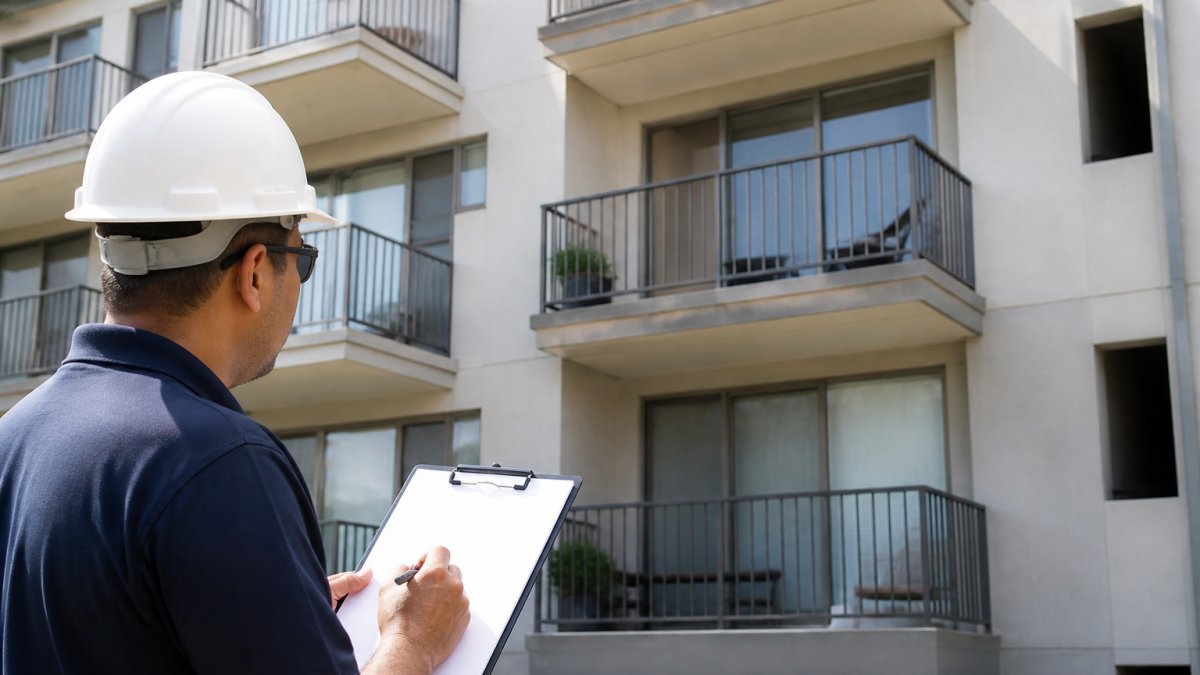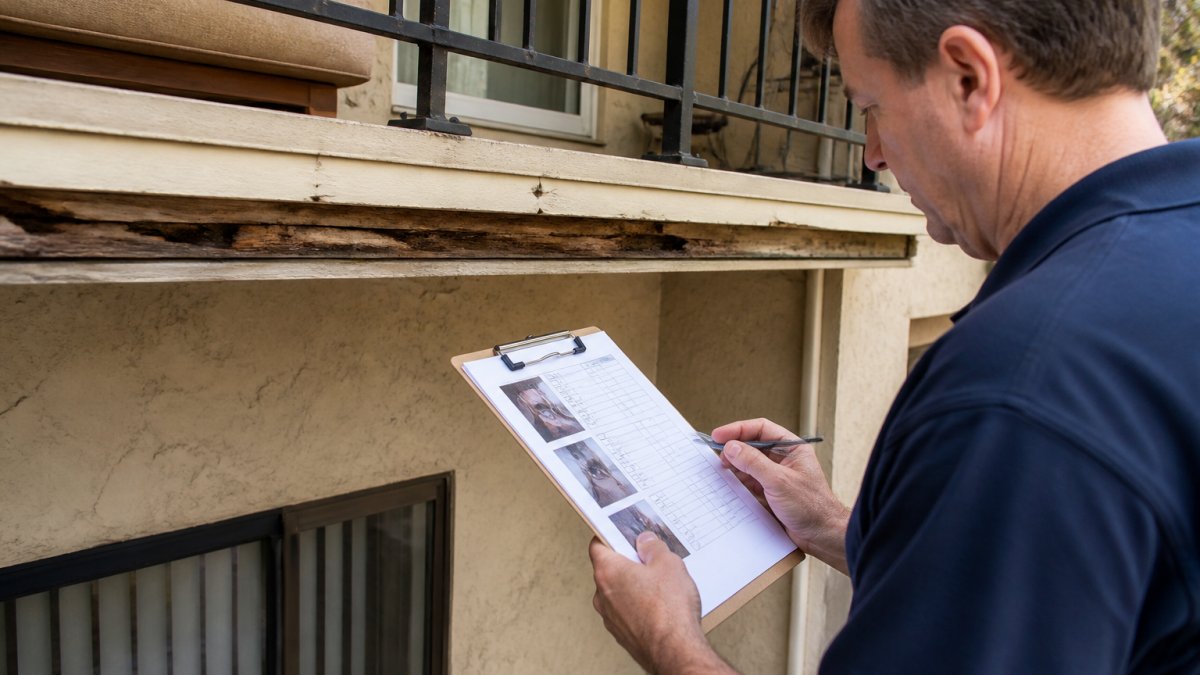
Signs Your Apartment Deck Needs Professional Waterproofing
Spot the warning signs your apartment deck needs professional waterproofing. Learn what cracks, leaks, and soft spots mean for safety and compliance.
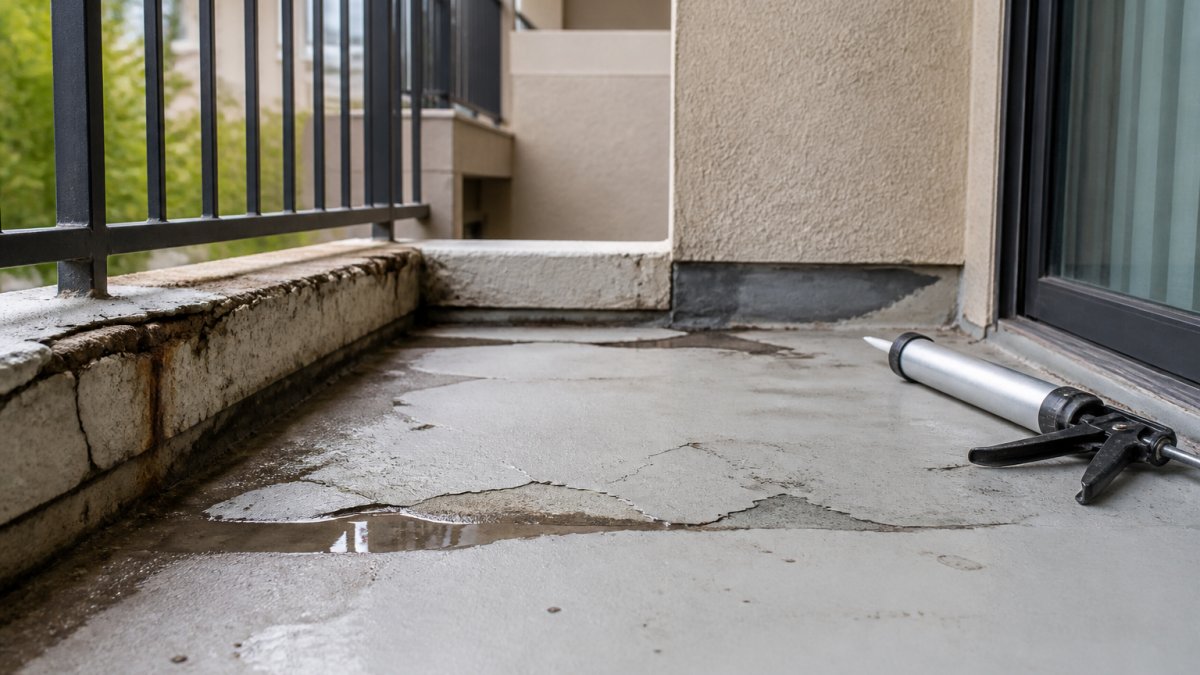
Table of Contents
- Why Apartment Deck Waterproofing Matters
- 1. Visible Cracks in the Surface or Coating
- 2. Peeling, Bubbling, or Blistering Coatings
- 3. Worn or Chalking Topcoat and Surface Deterioration
- 4. Standing or Ponding Water and Poor Drainage
- 5. Soft Spots and Deteriorating Deck Materials
- Signs of Balcony Waterproofing Failure You Cannot Ignore
- How to Identify an Apartment Deck Leak Before Major Damage Occurs
- Frequently Asked Questions
Last Updated: October 12, 2026
Why Apartment Deck Waterproofing Matters
Water damage to apartment decks and balconies isn’t just cosmetic. It’s a structural threat that spreads silently, affecting units below, compromising building integrity, and creating serious liability for property owners. At Apex Balcony, we’ve inspected hundreds of residential buildings across California, and we’ve seen the same pattern repeatedly: small warning signs go ignored, water infiltration accelerates, and a manageable repair becomes a catastrophic structural failure.
The stakes are particularly high in multifamily properties. A single failing balcony waterproofing system damages the units below it: water intrusion compromises reinforcement, rots wood framing, and creates mold growth that affects residents’ health.
Below are the specific signs your apartment deck needs professional waterproofing, the visual indicators that separate minor maintenance from urgent structural concerns. Spotting them early can save tens of thousands in repair costs and protect your residents.
1. Visible Cracks in the Surface or Coating
Cracks in a deck’s surface or protective coating are among the earliest warning signs of waterproofing failure. These aren’t just aesthetic issues, they’re entry points for water infiltration.
Hairline cracks, especially those that form in patterns or expand over time, indicate the underlying waterproofing membrane is breaking down. Water seeps in, travels beneath the surface, and begins deteriorating the structure long before you see damage below. Freeze-thaw cycles accelerate this, widening cracks further.
Look for cracks that:
- Run horizontally or diagonally across the deck surface
- Appear near joints, seams, or where the deck meets railings
- Expand visibly from season to season
- Are accompanied by surface discoloration or efflorescence (white, chalky deposits)
If cracks are widening or new ones appear after weather events, water intrusion is likely underway. Call for a professional assessment before water reaches the structural elements beneath the surface.
Hairline cracks can widen by 50% or more during a single winter season in climates with freeze-thaw cycles. Delaying inspection means exponentially higher repair costs within 12-24 months.
2. Peeling, Bubbling, or Blistering Coatings
When the protective topcoat fails, you’ll see peeling, bubbling, or blistering across the deck surface, direct signs that water has penetrated beneath the coating and is trapped between layers.
Bubbles form when water vapor trapped under the topcoat pushes the coating away from the substrate. Peeling means the coating has lost adhesion, either from water saturating the base layer or improper application. Blistering is especially concerning because it signals active water movement and ongoing damage beneath the surface.
Common patterns include:
- Small blisters that cluster in low-lying areas or near drainage points
- Peeling that starts at edges, joints, or corners where water naturally collects
- Bubbling that appears after heavy rain or during humid seasons
- Coatings that peel in large sheets rather than small flakes
When you see these symptoms, water intrusion has already begun: the failed coating exposes the waterproofing membrane beneath to direct water contact. Professional intervention is urgent, since damage spreads quickly once the protective layer is compromised.
Press gently on a blister with your finger. If it’s soft or releases liquid, water saturation is active. This requires professional assessment within 2-4 weeks, not months.
3. Worn or Chalking Topcoat and Surface Deterioration
A worn or chalking topcoat means your protective barrier is nearing the end of its useful life. Chalking occurs when UV exposure and weathering break down the topcoat’s binders, leaving a powdery residue.
Chalking means the coating no longer provides effective water protection: its ability to shed water is compromised and moisture penetrates more easily. Combined with surface deterioration, thin, discolored, or degraded areas, chalking signals that waterproofing failure is imminent.
Watch for:
- A white or gray powdery residue that rubs off on your hand
- Dull, faded appearance across large portions of the deck
- Thin or worn spots where the substrate shows through
- Uneven wear patterns that suggest water pooling or poor drainage
This stage is critical because topcoat failure is predictable and preventable with maintenance. If chalking is severe and widespread, however, the coating has lost most of its protective function, and professional recoating is necessary to prevent accelerating water intrusion and surface deterioration.
4. Standing or Ponding Water and Poor Drainage
Standing water is perhaps the most obvious and dangerous sign of waterproofing failure. Water that pools instead of draining is actively working against your waterproofing system, and winning.
Ponding water means the deck’s slope is inadequate, the drainage system is blocked, or the waterproofing membrane has failed. Whatever the cause, standing water accelerates every form of deterioration: it softens wood, promotes mold, corrodes metal, and deepens cracks.
Poor drainage problems include:
- Water collecting in corners, low spots, or around railings
- Debris clogging drains or scuppers (drainage openings)
- Water remaining on the deck surface for hours after rain
- Visible algae or mold growth in areas where water sits
If you notice standing water after rain, check the drainage system first: clear debris from scuppers, downspouts, or drain lines. If water still pools, the deck’s slope or the waterproofing membrane itself is compromised, requiring professional intervention to redirect water flow or replace the failing membrane.
Standing water on a deck surface can cause structural damage in as little as 6-12 months. If ponding persists after drainage is cleared, schedule a professional inspection immediately.
5. Soft Spots and Deteriorating Deck Materials
Soft spots on a deck surface, areas that feel spongy or compress under foot, indicate that water has penetrated deep enough to saturate and begin rotting the underlying wood framing or composite materials.
This is critical: soft spots mean structural deterioration is already advanced. Water has bypassed the coating and waterproofing membrane and reached the structural substrate, so the damage beneath the surface is likely far more extensive than what you can see.
Soft spots often appear:
- Near joints, seams, or where the deck meets railings
- In low-lying areas where water collects
- Around penetrations like HVAC vents or plumbing
- Along the edges of the deck where water naturally runs off
Press firmly on different areas with your heel. If the surface gives or feels soft, water damage is present. Splintering, discoloration, or crumbling surface material confirms structural failure is underway.
This is not a maintenance issue. Soft spots and deteriorating materials require immediate professional assessment; depending on the damage, structural repairs or full deck replacement may be needed to restore safety and prevent collapse.
Signs of Balcony Waterproofing Failure You Cannot Ignore
Water Stains and Discoloration Below the Deck
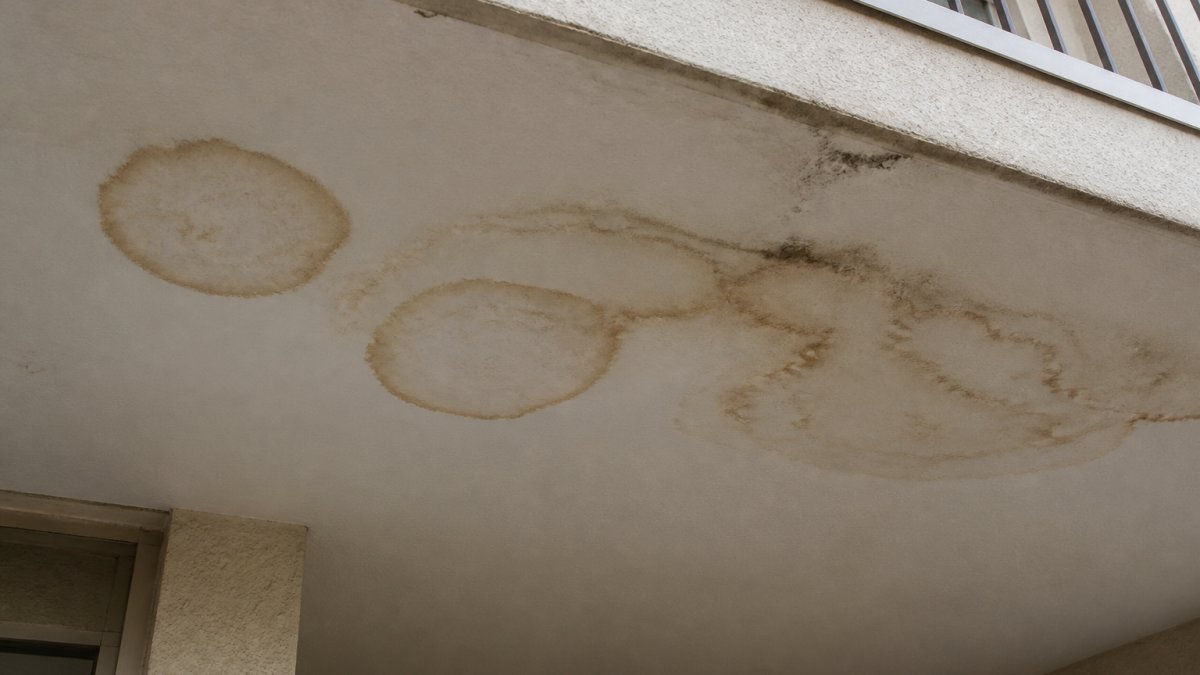
Water stains come in several forms:
- Brown or yellow rings that expand over time
- Wet spots that appear after rain or in humid weather
- Discoloration that follows a line or pattern, indicating water flow direction
- Mold or mildew growth accompanying the stains
The critical point: if you see water stains below a deck, the waterproofing system above has already failed and water is actively traveling through the structure, affecting the unit below as well as the one with the deck.
Document stains with photos, note their location and size, and report them to the property manager or building owner. This is evidence of active water intrusion and grounds for urgent professional assessment.
Rust on Metal Railings and Flashing
Rust on metal railings, flashing, or fasteners means water intrusion has reached your deck system’s metal components, indicating prolonged water exposure and corrosion of the protective finish.
Flashing, the metal trim where the deck meets the building wall or around penetrations, is particularly vulnerable. When it rusts or corrodes, it can no longer shed water away from vulnerable areas, so water penetrates behind it and into the building structure.
Watch for:
- Orange or reddish discoloration on metal railings, posts, or fasteners
- Pitting or surface deterioration on flashing
- Rust stains running down from railings or flashing onto the deck surface
- Loose or corroded bolts and fasteners
Rust on flashing is especially serious because flashing failures are a common source of hidden water intrusion: water can travel behind corroded flashing into walls, framing, and units below without visible evidence until significant damage occurs. Professional inspection is essential, since failed flashing often requires replacement as part of a comprehensive waterproofing repair.
Cracked or Deteriorated Sealant Around Joints and Penetrations
Sealant around deck joints, where the deck meets railings, and around penetrations like HVAC vents or plumbing is your deck’s second line of defense against water intrusion. When it cracks, shrinks, or deteriorates, water finds a direct path inside.
Deteriorated sealant often shows:
- Visible cracks or gaps where sealant has pulled away from the surface
- Sealant that has shrunk or is no longer flush with the surface
- Discoloration or mold growth along sealant lines
- Areas where sealant is missing entirely
Joints are natural stress points where water collects and sits. If sealant fails, water penetrates the joint, travels along it, and eventually reaches structural elements or the units below.
Regular sealant inspection is preventive maintenance. Sealant typically lasts 5-10 years depending on climate and UV exposure; if it’s cracked or deteriorated, professional resealing is a relatively inexpensive repair that prevents far costlier water intrusion damage.
How to Identify an Apartment Deck Leak Before Major Damage Occurs
Early detection of apartment deck leaks can prevent catastrophic structural failure and save tens of thousands in repair costs. Here’s how to identify leaks before they become emergencies.
Start with visual inspection. Walk the deck after rain or in humid conditions.
Inspect the unit below. Water stains on ceilings or walls are often the first visible evidence of a deck leak.
Document changes over time. Photograph cracks, coating condition, and drainage areas, then compare month-to-month or season-to-season. Expanding cracks or new stains indicate accelerating water intrusion.
Check drainage and slope. Keep deck drains clear of debris and confirm water flows toward drainage points rather than pooling.
Listen for water movement. During or right after rain, walk the deck and listen for dripping or flowing beneath the surface.
Hire a professional assessment. If you notice any warning signs above, contact a licensed balcony inspector.
| Warning Sign | Urgency Level | Typical Next Step |
|---|---|---|
| Hairline cracks in coating | Medium | Professional inspection within 2-4 weeks |
| Peeling or bubbling coating | High | Professional inspection within 1-2 weeks |
| Soft spots in deck material | Critical | Professional inspection within days |
| Water stains below deck | Critical | Immediate inspection and documentation |
| Standing water after rain | Medium-High | Clear drainage; inspect if persists |
| Rust on flashing | High | Professional inspection within 1-2 weeks |
Protecting your apartment building’s structural integrity starts with recognizing the warning signs before they become emergencies. Apex Balcony provides comprehensive deck and balcony inspections for California property owners and HOAs, with specialized expertise in identifying early waterproofing failures and ensuring compliance with SB 326 and SB 721 structural safety requirements. Book an inspection and get a clear path to necessary repairs, protecting your residents and your assets.
Frequently Asked Questions
How can you tell if an apartment deck needs waterproofing?
Look for visible cracks, peeling or bubbling coatings, standing water, soft spots in the deck material, water stains below the balcony, and rust on railings or flashing. These are the most common warning signs that your apartment deck waterproofing is failing and water is infiltrating the structure. If you notice any of these, a professional assessment is essential to prevent hidden damage to the framing and units below.
What does a professional waterproofing testing procedure involve?
A professional waterproofing testing procedure includes visual inspection of the deck surface, coating, and sealant; checking for water pooling and drainage issues; examining flashing and joints; and testing the membrane condition. Licensed inspectors also assess the underlying structure for soft spots, wood rot, and reinforcement corrosion. The inspection may include moisture testing and documentation of findings to guide repair decisions and ensure compliance with local safety codes.
What is the typical deck waterproofing cost for apartment buildings?
Waterproofing costs vary based on deck size, damage severity, and the scope of repairs needed. Costs increase if structural damage, rot, or reinforcement corrosion requires repair. Contact a licensed inspector for a detailed quote tailored to your property.
Can water damage beneath a deck be hidden from view?
Yes. Water intrusion often causes hidden damage to the framing, structural components, and units below before visible signs appear on the deck surface. Soft spots, wood rot, and reinforcement corrosion can develop inside the structure while the topcoat still looks intact. This is why professional inspections are critical, they identify early signs of deterioration that are not visible during a casual walkthrough and help prevent costly structural failure or safety hazards.