5 Best Practices for SB 326 Inspection Reports
Master SB 326 inspection reports with 5 proven practices. Ensure compliance, minimize liability, and protect your property. Learn best practices now.
Table of Contents
- Understanding SB 326 Inspection Requirements
- Practice 1: Hire a Qualified SB 326 Inspector
- Practice 2: Use a Comprehensive SB 326 Compliance Checklist
- Practice 3: Create a Detailed SB 326 Inspection Report Template
- Practice 4: Implement Post-Inspection Workflow Automation
- Practice 5: Establish Liability Mitigation and Compliance Tracking
- 5 Best Practices for SB 326 Inspection Reports: Quick Implementation Guide
- Common Mistakes to Avoid in SB 326 Inspections
5 Best Practices for SB 326 Inspection Reports
Last Updated: August 1, 2026
Understanding the 5 best practices for SB 326 inspection reports is essential for California HOA boards and property managers responsible for multi-unit residential buildings. According to California Department of Housing and Community Development, Senate Bill 326 requires inspections of exterior elevated elements on buildings with three or more units built before January 1, 2008. At Apex Balcony, we’ve guided hundreds of building owners through this compliance process and identified the practices that separate thorough, defensible inspections from incomplete ones that expose boards to liability.
Understanding SB 326 Inspection Requirements
Which Buildings Are Subject to Inspection
Senate Bill 326 applies to residential buildings with three or more units constructed before January 1, 2008. The statute requires inspections of exterior elevated elements, balconies, decks, stairs, and other raised structures extending from the main building envelope.
Your building falls under SB 326 if it meets these criteria: residential occupancy, three or more units, and pre-2008 construction. Properties were required to complete their first inspection by January 1, 2025. After the initial inspection, properties must conduct follow-up inspections every six years, with interim inspections required if significant deficiencies are identified.
Defining Exterior Elevated Elements (EEE)
Exterior elevated elements are the specific structural components SB 326 requires you to inspect: balconies, decks, stairs, landings, and other elevated structures accessible to residents. EEE inspection goes beyond visual walkthrough and includes evaluation of load-bearing components, waterproofing systems, connection points, guardrails, and decking materials. The inspection typically includes moisture testing, close-up examination of fasteners and ledger connections, and documentation of rot, corrosion, or separation.
Practice 1: Hire a Qualified SB 326 Inspector
Verifying Inspector Credentials and Experience
The inspector you hire determines the quality and defensibility of your entire SB 326 inspection report. California law requires that inspections be conducted by a licensed structural engineer, architect, or qualified inspector who has completed specific SB 326 and SB 721 training.
Before hiring, verify that your inspector holds a current Professional Engineer (PE) license in California or is a licensed architect with documented structural assessment experience. Ask for references from other HOAs and request copies of previous inspection reports to review their thoroughness. An experienced inspector will provide detailed photographic evidence, specific measurements, and clear deficiency classifications.
Request your inspector’s insurance certificate and verify they carry professional liability coverage of at least $1 million. This protects your HOA if the inspection later misses significant deficiencies.
Minimizing Inspection Damage and Disruption
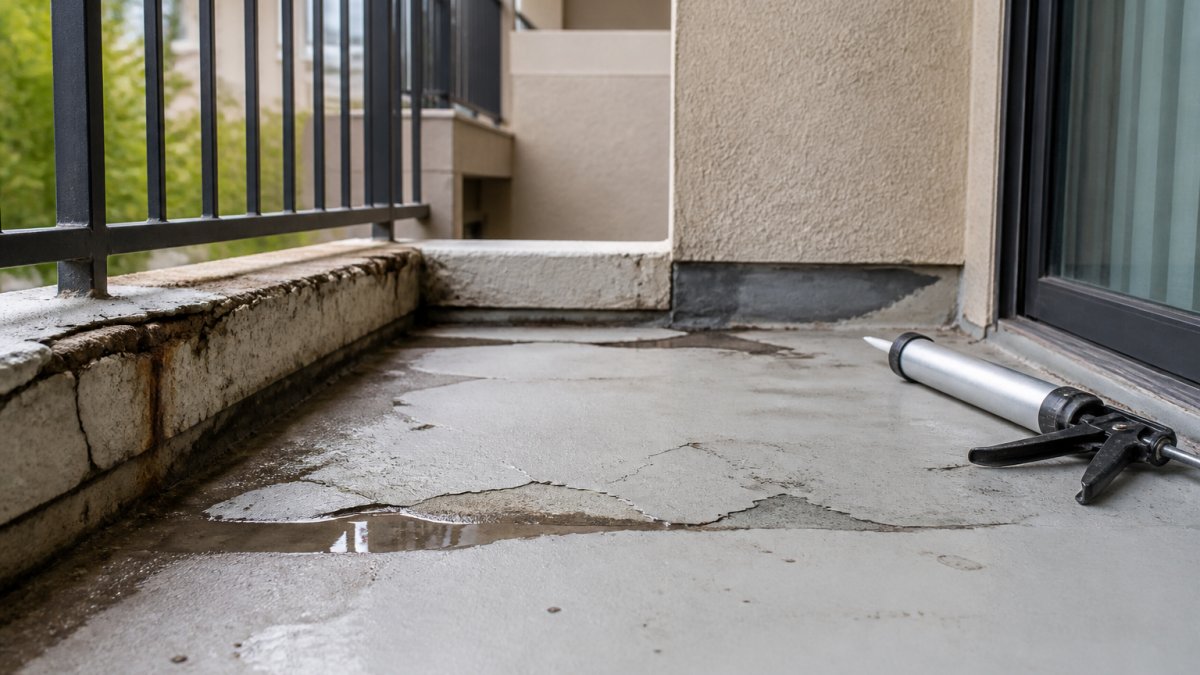
Invasive testing and close examination can cause water intrusion problems if not performed carefully. Work with your inspector to establish clear protocols before the inspection begins. Specify that any areas opened for inspection must be properly sealed afterward, and that testing must use non-destructive methods where possible. Require your inspector to provide a detailed plan for minimizing disruption to residents and preventing water intrusion during the inspection.
Practice 2: Use a Comprehensive SB 326 Compliance Checklist
Essential Elements to Document
Your inspection report must document specific structural and safety elements SB 326 defines as critical. A comprehensive checklist ensures nothing is overlooked and creates consistent standards across all inspected units. The checklist should include evaluation of ledger connections, decking condition, waterproofing systems, guardrails and handrails, fasteners and hardware, flashing and sealants, and signs of water intrusion or rot.
The POPProbe Balcony & Deck Structural Safety Inspection Checklist provides a free 33-point template covering essential components most inspectors use as a baseline. Your checklist should also include documentation of maintenance records, previous repairs or modifications, and resident complaints related to balcony conditions.
If your inspection checklist doesn’t include specific evaluation of ledger connections and waterproofing, you’re missing the most common failure points in residential balconies. Ledger failures account for a significant percentage of balcony collapses.
Deficiency Classification and Hazard Severity Assessment
SB 326 requires inspectors to classify deficiencies according to hazard severity levels: immediate danger, significant deficiency, or minor deficiency. Immediate danger means the deficiency poses imminent risk to resident safety and requires urgent remediation within 24 to 72 hours. Significant deficiencies indicate structural compromise or water intrusion that should be repaired within 6 to 12 months. Minor deficiencies are cosmetic or non-structural issues for long-term maintenance planning.
Your inspector should clearly explain the basis for each severity classification with specific evidence rather than vague statements.
Practice 3: Create a Detailed SB 326 Inspection Report Template
Report Structure and Required Documentation
A defensible SB 326 inspection report follows a clear structure documenting findings systematically with enough detail that a third party can understand exactly what was inspected and what was found. Your report template should include an executive summary, unit-by-unit findings, photographic documentation, severity classifications, and a recommended remediation plan.
The executive summary should state the inspection date, inspector credentials, number of units inspected, and a high-level overview of findings. The unit-by-unit section should document each balcony or deck individually with specific observations, measurements, and photographs showing deficiencies. The remediation section should recommend specific repairs with detail: "Replace corroded ledger bolts with ½-inch stainless steel bolts, upgrade flashing at ledger connection, and apply waterproofing membrane to deck surface."
A report lacking photographic evidence or using vague language about deficiencies will be challenged by contractors and may not hold up if your HOA faces legal scrutiny. Invest in detailed documentation.
The 95% Confidence Statistical Standard in Reporting
SB 326 uses a statistical sampling approach for large buildings. Rather than inspecting every balcony, inspectors may use a representative sample with a 95% confidence interval and 10% margin of error. The inspector selects units across different areas, exposures, and construction ages to create a statistically valid sample.
The report should clearly state the sampling methodology, number of units inspected, and confidence level. The 95% confidence interval means there’s a 95% probability that the actual condition of uninspected units falls within the range described in the report.
| Sampling Approach | Unit Count | Sample Size | Confidence Level | Best For |
|---|---|---|---|---|
| 100% inspection | Any | All units | 100% | Small buildings (under 20 units) |
| Statistical sampling | 50+ | 20-30% | 95% confidence | Large buildings (50+ units) |
| Risk-based sampling | Any | Targeted units | Varies | Buildings with known problem areas |
Practice 4: Implement Post-Inspection Workflow Automation
Simplifying Report Distribution and Board Notifications
After the inspection is complete, your board faces the challenge of distributing findings, obtaining repair bids, and coordinating remediation. Implement a structured workflow: receive the final inspection report, schedule a board meeting to review findings, distribute the report to contractors for repair estimates, compare bids, approve repairs, and track completion. Each step should have a documented owner and target completion date.
Consider using project management or document management tools that allow you to upload the inspection report, assign tasks, track deadlines, and maintain a centralized record of all communications about repairs. SB 326 requires that owners provide a written summary of inspection findings to the HOA within 30 days and that the HOA provide notice to residents within 30 days after that. Automating this notification process using templated letters ensures compliance and prevents missed deadlines.
Integrating Inspection Data with Reserve Studies
Your SB 326 inspection findings should directly inform your reserve study, which estimates how much funding your HOA needs to maintain and replace major building components. Work with your reserve study provider to integrate inspection data into the reserve funding plan. If your inspection identified major balcony repairs needed within two years, those costs should be reflected in your reserve budget.
Practice 5: Establish Liability Mitigation and Compliance Tracking
Protecting HOA Board Members from Legal Exposure
Board members are personally liable for decisions made in their official capacity. When it comes to SB 326 compliance, implementing strong documentation practices is your primary defense.
Ensure that your board’s decision-making process is documented in meeting minutes. When the board reviews inspection findings and approves a remediation plan, the minutes should reflect that the board considered the inspector’s recommendations, discussed severity of findings, and made an informed decision about repair timeline and scope. Require that your inspector carry professional liability insurance and obtain a certificate of insurance before work begins.
If your board is aware of immediate danger conditions but delays remediation for financial reasons, you’re creating significant personal liability for board members. Immediate danger findings require urgent action. If funding isn’t available, approve a special assessment or emergency reserve draw rather than delay critical repairs.
Maintaining Official Records and Open Meeting Requirements
SB 326 compliance creates extensive documentation requirements. Your HOA must maintain official records of inspection reports, repair contracts, completion certifications, and board decisions related to exterior elevated elements for the life of the building.
Establish a centralized filing system, physical or digital, where all SB 326-related documents are stored: the original inspection report, all photographs and supporting documentation, repair bids and contracts, invoices and proof of payment, completion certificates, and copies of board meeting minutes. Board decisions regarding SB 326 inspection findings and remediation plans should be made at properly noticed board meetings where residents have the opportunity to comment.
| Documentation Type | Retention Period | Access Rights | Purpose |
|---|---|---|---|
| Inspection reports | Life of building | Residents, buyers | Proof of compliance |
| Repair contracts | 7+ years | Board, residents | Financial audit trail |
| Completion certificates | Life of building | Board, residents | Proof of remediation |
| Board meeting minutes | Permanent | Residents, buyers | Decision documentation |
| Photographs and evidence | Life of building | Board, legal counsel | Deficiency substantiation |
5 Best Practices for SB 326 Inspection Reports: Quick Implementation Guide
Implementing the 5 best practices doesn’t require complex systems or extensive expertise. Start with these immediate steps:
1. Hire your inspector this month. A qualified inspector with SB 326 experience will be in high demand. Begin the vetting process now and schedule the inspection for the earliest available date.
2. Request a detailed report template from your inspector. Ask what format they’ll use for the final report and whether you can see a sample. If their template is vague or lacks photographic documentation, ask them to enhance it or consider a different inspector.
3. Create a board communication plan. Decide how you’ll present inspection findings to residents, what timeline you’ll use for repairs, and how you’ll address questions.
4. Integrate inspection findings into your reserve study. Contact your reserve study provider and schedule a meeting to discuss how inspection findings should update your long-term financial projections.
5. Establish a document management system. Create a centralized location for all SB 326 documentation and assign someone to maintain it.
Common Mistakes to Avoid in SB 326 Inspections
The most damaging mistake HOAs make is waiting too long to hire an inspector. Properties that were required to complete inspections by January 1, 2025, and failed to do so now face compliance violations and potential fines.
A second critical mistake is hiring an inspector based primarily on price. The lowest bid often comes from inspectors with minimal SB 326 experience or those who cut corners on documentation.
Many boards also fail to address immediate danger findings with appropriate urgency. If an inspection identifies conditions posing imminent risk to resident safety, deferring repairs for financial or scheduling reasons creates significant liability. Immediate danger findings require action within 24 to 72 hours.
Finally, boards frequently neglect to communicate inspection findings clearly to residents. Transparent communication about inspection findings, repair plans, and timelines builds resident confidence and reduces disputes.
The challenge most HOA boards face isn’t understanding SB 326 requirements, it’s executing the compliance process systematically while managing resident expectations and protecting board members from liability. At Apex Balcony, we’ve helped hundreds of California property owners navigate this process with our licensed inspectors who specialize in structural assessment of exterior elevated elements. Our team provides comprehensive inspection reports with detailed photographic documentation, clear deficiency classifications, and specific remediation recommendations. Get started with Apex Balcony and transform your SB 326 inspection from a compliance checkbox into a strategic asset for long-term property maintenance.
Frequently Asked Questions
What are the key components of an SB 326 inspection report?
A comprehensive SB 326 inspection report must document all Exterior Elevated Elements (EEE), including balconies, decks, and stairways. It should include visual inspection findings, deficiency classifications by hazard severity, photographic evidence, repair recommendations, and remediation timelines. The report must meet the 95% confidence statistical standard and identify load-bearing components, waterproofing systems, and structural integrity concerns. Licensed inspectors or structural engineers must sign the report, and it must include contact information and inspection date.
Who is qualified to perform an SB 326 inspection?
California law requires SB 326 inspections to be performed by a licensed architect, structural engineer, or other qualified inspector with expertise in building construction and structural assessment. Inspectors must have demonstrated experience evaluating load-bearing components, waterproofing systems, and structural integrity of elevated exterior elements. Verification of credentials, professional licensing, and liability insurance is essential before hiring. Many property owners choose inspectors with decades of construction and design experience to ensure thorough, accurate assessments of balcony safety.
How does the 95% confidence interval apply to SB 326 sampling?
The 95% confidence statistical standard allows inspectors to use statistically significant sampling rather than inspecting every single balcony in large buildings. This means the sample size must be large enough to represent the entire population with 95% confidence. For example, a 50-unit building may require inspecting 20-25 units to meet this standard. The margin of error and sample size calculations depend on building size and defect distribution. Inspectors must document their sampling methodology and ensure the selected units represent the full range of construction types and ages on the property.
What should an HOA board do after receiving an SB 326 inspection report?
After receiving the inspection report, the HOA board must review findings during an open meeting, classify deficiencies by hazard severity, and establish remediation timelines per statutory requirements. High-priority safety issues require immediate action; other deficiencies follow compliance deadlines. The board should integrate findings into reserve studies to budget capital expenditures, obtain competitive repair bids from contractors, and maintain official records for legal protection. Post-inspection workflow automation tools can streamline notifications to residents, track repair progress, and ensure the board meets all legal obligations while managing liability exposure.
How do SB 326 and SB 721 inspection requirements differ?
SB 721 focuses specifically on balcony safety and requires inspections of exterior elevated elements in multifamily residential buildings. SB 326 is broader, applying to buildings with three or more units and requiring comprehensive assessment of all Exterior Elevated Elements including balconies, decks, and stairways. Both laws mandate qualified inspectors, detailed reporting, and compliance timelines, but SB 326 provides more specific guidance on inspection methodology, the 95% confidence statistical standard, and deficiency classification. Understanding which law applies to your property is critical for ensuring proper compliance and avoiding legal exposure.