SB 326 Compliance Deadline: What You Need to Know
SB 326 compliance deadline explained. Learn key dates, inspection requirements, penalties, and how to ensure your building stays safe and legal.
Table of Contents
- What Is SB 326 and Why the Compliance Deadline Matters
- SB 326 Compliance Deadline: Key Dates and Timelines
- SB 326 Inspection Requirements: What Inspectors Look For
- SB 326 vs SB 721 Comparison: Understanding the Differences
- Hiring a Structural Engineer for SB 326 Compliance
- SB 326 Non-Compliance Penalties and Consequences
- Budgeting and Reserve Study Integration for SB 326
- Conclusion
SB 326 Compliance Deadline: What You Need to Know
Last Updated: July 3, 2026
Understanding SB 326 compliance deadline requirements is essential for California property owners and HOA boards managing multi-family housing. This guide explains the critical timelines, inspection requirements, and consequences of non-compliance with California Civil Code 5551, which mandates regular inspections of exterior elevated elements in residential buildings.
The stakes are high. Properties that miss SB 326 deadlines face civil penalties, increased liability exposure, and potential safety risks to residents. Below, we’ll show you exactly how to navigate the deadline structure, hire qualified inspectors, and integrate compliance into your reserve study planning.
What Is SB 326 and Why the Compliance Deadline Matters
Senate Bill 326, enacted in 2018, requires inspections of exterior elevated elements in residential buildings to identify structural defects before they become dangerous. The law applies to balconies, decks, stairways, and other load-bearing structures that could fail and cause injury or death.
Unlike previous building code requirements, SB 326 mandates periodic re-inspections and creates a specific compliance timeline across all California residential properties. The law targets structures more than six years old and applies to condominiums, apartments, and common interest developments.
Exterior Elevated Elements include any structure attached to a residential building that is elevated above grade and accessible to residents: balconies, decks, exterior stairs, landings, and walkways. The law requires inspections to assess waterproofing, wood deterioration, fastener corrosion, and overall structural integrity.
The compliance deadline creates urgency because penalties accumulate quickly. Non-compliance also creates liability exposure, if a balcony fails and causes injury, the property owner’s failure to comply with SB 326 becomes evidence of negligence.
SB 326 Compliance Deadline: Key Dates and Timelines
The SB 326 compliance deadline structure depends on when your building was first subjected to the law and when your property’s initial inspection was completed.
Initial Inspection Deadline
Buildings with six or more residential units were required to complete an initial inspection by January 1, 2025. For buildings with three to five units, the deadline was January 1, 2026. Buildings with two or fewer units are generally exempt.
If you completed your initial inspection before the deadline, you have a compliance record. If you missed the deadline, your property is currently non-compliant and should schedule an inspection immediately.
Re-Inspection Cycle and Ongoing Requirements
After the initial inspection, the law requires re-inspections on a schedule based on the inspector’s findings. Properties with no significant defects typically require re-inspection every six years. Properties with minor defects may require re-inspection every three years. Properties with significant defects may require annual inspections or immediate repairs.
The inspection report specifies the next required inspection date. Your property management team should track this date and begin scheduling the next inspection at least three months in advance. Missing a re-inspection deadline triggers the same penalties as missing an initial inspection.
SB 326 Inspection Requirements: What Inspectors Look For
The SB 326 inspection process is more detailed than a typical building walkthrough. Licensed inspectors assess specific structural and material conditions that indicate risk of failure.
Visual Inspection and Load-Bearing Structure Assessment
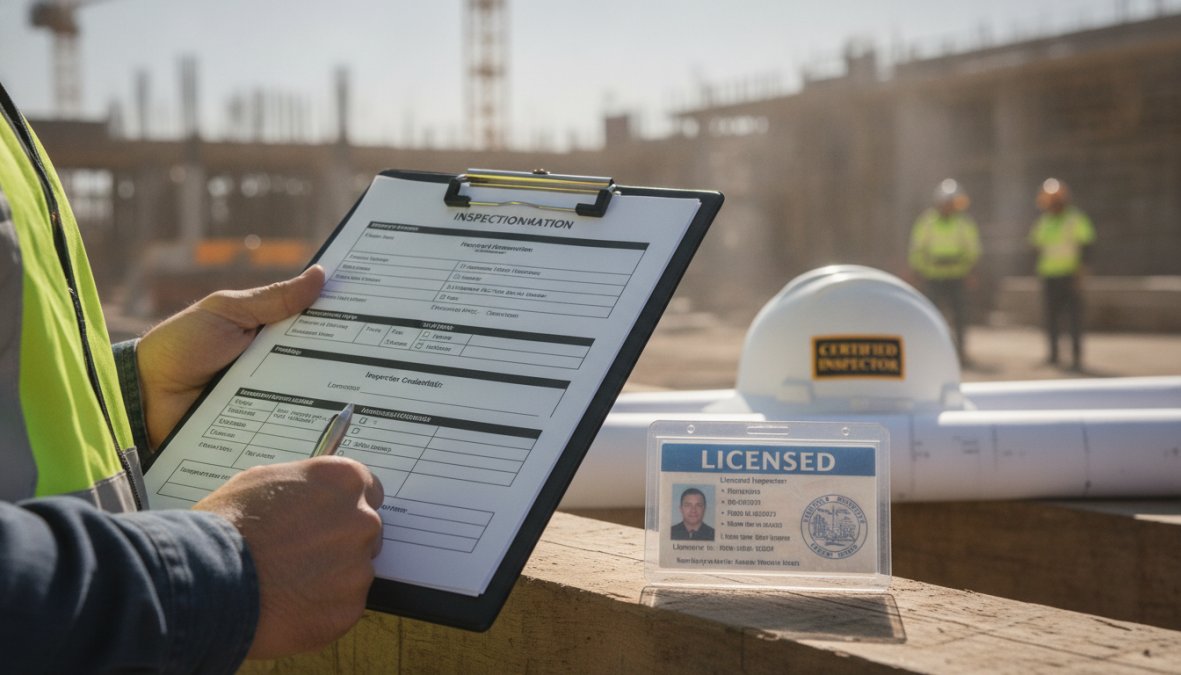
The inspection begins with a comprehensive visual assessment of all exterior elevated elements. The inspector examines the balcony frame, connections, fasteners, and supporting structure for signs of deterioration, corrosion, and structural failure.
Key areas of focus include:
- Wood deterioration: Dry rot, wet rot, and insect damage that compromise structural integrity
- Fastener corrosion: Rusted bolts, nails, and connectors that may fail under load
- Waterproofing failure: Cracks, gaps, and failed sealants that allow water infiltration
- Connection integrity: Loose or failed connections between the balcony frame and building structure
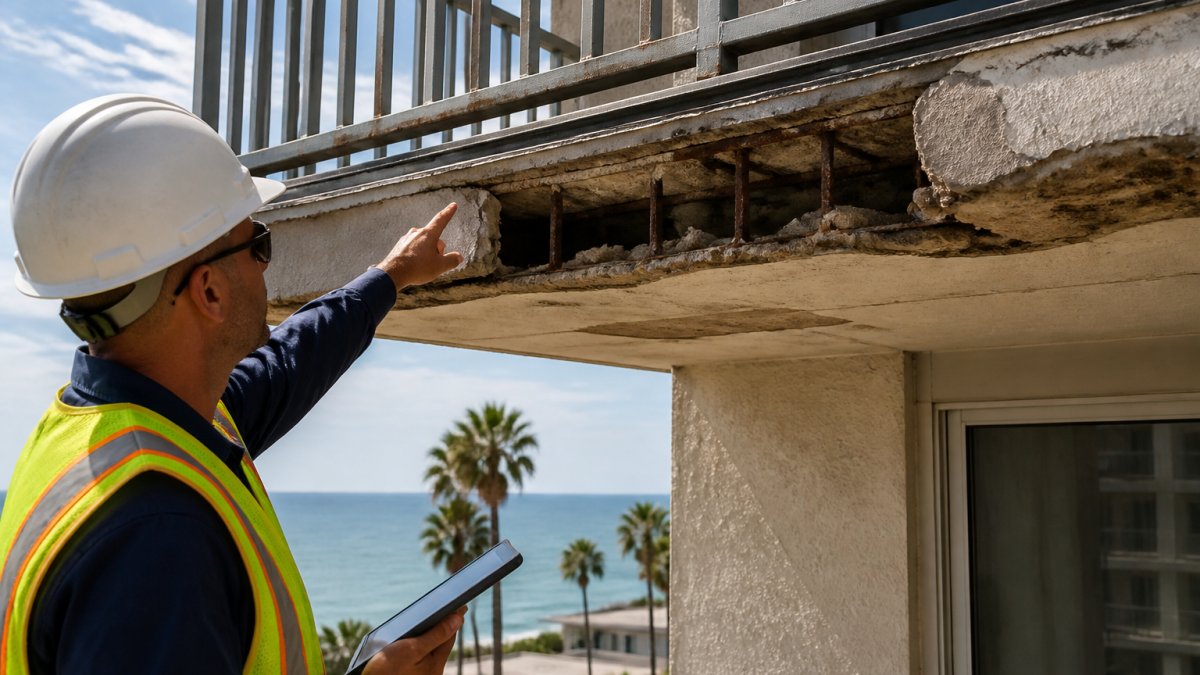
- Concrete deterioration: Spalling, cracking, and rebar corrosion
- Metal corrosion: Rust and structural weakness in steel components
The inspector uses specialized tools to measure wood density, assess moisture levels, and evaluate structural soundness, often probing wood surfaces to detect hidden decay.
Random Sampling and Detailed Reporting
For larger properties with multiple balconies, inspectors use random sampling methods to evaluate overall condition. Rather than inspecting every balcony in detail, the inspector selects a representative sample and conducts detailed assessments on those units. Findings are then extrapolated to assess broader property condition.
The inspection report documents all findings, photographs defects, and categorizes severity. The report also specifies the required re-inspection interval based on overall condition assessment.
SB 326 vs SB 721 Comparison: Understanding the Differences
Many property owners confuse SB 326 with SB 721, another California law addressing balcony safety. While both laws target exterior elevated elements, they have different scopes, timelines, and inspection requirements.
Scope and Covered Elements
SB 721, enacted in 2018 and effective January 1, 2019, specifically targets balcony waterproofing and structural integrity in residential buildings with three or more units.
SB 326, enacted in 2019 and effective January 1, 2020, expands the scope beyond balconies to include all exterior elevated elements: stairs, walkways, landings, and decks. SB 326 applies to buildings with six or more units (later expanded to three or more units).
The key difference: SB 721 focuses specifically on balconies and waterproofing; SB 326 covers a broader range of elevated structures.
| Requirement | SB 721 | SB 326 |
|---|---|---|
| Applies to | Buildings with 3+ units | Buildings with 6+ units (later 3+ units) |
| Covers | Balconies and decks | All exterior elevated elements |
| Initial deadline | January 1, 2019 | January 1, 2025 (6+ units) / 2026 (3-5 units) |
| Re-inspection cycle | Every 6 years (no defects) | Every 6 years (no defects) |
| Inspection focus | Waterproofing, wood decay | Structural integrity, all defects |
Inspection Frequency and Enforcement
Both laws require re-inspections on a schedule determined by initial inspection findings. SB 721 has been in effect longer, so many properties are already in their second or third re-inspection cycle.
Do not assume that compliance with one law satisfies the other. Your property may need separate inspections under both laws, or a single comprehensive inspection addressing both. Your qualified inspector should clarify which law(s) apply to your property.
Hiring a Structural Engineer for SB 326 Compliance
Selecting the right inspector is critical because the inspection report directly determines your compliance status and re-inspection timeline.
Qualifications and Credentials to Verify
California law requires that SB 326 inspections be performed by a licensed structural engineer, licensed architect, or other qualified professional. Before hiring an inspector, verify these credentials:
- Professional license: Confirm the inspector holds a current California Professional Engineer (PE) or Architect license via the California Department of Consumer Affairs website.
- Structural engineering experience: The inspector should have at least five years of relevant experience evaluating structural systems and exterior elevated elements.
- SB 326 and SB 721 experience: The inspector should be familiar with both laws and their specific inspection protocols.
- Insurance and bonding: The inspector should carry professional liability insurance and workers’ compensation insurance.
- Report quality: Ask to see a sample inspection report. It should include detailed photographs, specific findings, severity ratings, and clear re-inspection recommendations.
Step-by-Step Vendor Selection Checklist
| Step | Action | What to Look For |
|---|---|---|
| 1. Verify licensing | Check CA Department of Consumer Affairs database | Current PE or Architect license, no disciplinary history |
| 2. Request references | Ask for 3-5 recent SB 326 projects | Properties similar in size/type, positive feedback |
| 3. Review sample report | Request a previous inspection report | Clear photos, specific findings, actionable recommendations |
| 4. Confirm insurance | Request certificate of insurance | Professional liability minimum $1M, current coverage |
| 5. Discuss timeline | Ask inspection duration and report turnaround | 2-4 weeks for report completion is typical |
| 6. Get written proposal | Request itemized quote | Breakdown of inspection fee, report cost, re-inspection intervals |
| 7. Clarify scope | Confirm which law(s) are covered | SB 326 only, SB 721 only, or both combined |
| 8. Ask about repairs | Understand if they recommend contractors | Ensure inspector is not financially incentivized to recommend unnecessary repairs |
Schedule your inspection at least three months before your deadline. Inspectors often book quickly during peak season, and you’ll need time to address any defects found before the deadline passes.
SB 326 Non-Compliance Penalties and Consequences
Missing an SB 326 compliance deadline triggers immediate consequences.
Civil Penalties and Legal Liability
California Civil Code 5551 specifies civil penalties for non-compliance. Property owners who fail to complete required inspections face penalties of $100 to $200 per day for each day of non-compliance. A property that misses a deadline by 30 days faces penalties exceeding $3,000 to $6,000. A six-month delay can result in penalties exceeding $18,000 to $36,000.
Beyond financial penalties, non-compliance creates legal liability. If a balcony fails and causes injury, the property owner’s failure to comply with SB 326 becomes direct evidence of negligence. Insurance companies may deny claims or refuse to renew coverage for non-compliant properties.
Insurance and Liability Implications
Insurance carriers increasingly scrutinize SB 326 compliance. Many insurers now require proof of current inspection and compliance before issuing or renewing property insurance. Some carriers have excluded coverage for balcony failures on non-compliant properties.
For HOA-managed properties, non-compliance can trigger disputes between the HOA board and unit owners. The HOA’s directors and officers can face personal liability if they knowingly ignore SB 326 requirements.
Missing an SB 326 compliance deadline creates immediate financial penalties of $100-$200 per day. A six-month delay can result in penalties exceeding $18,000. More critically, non-compliance eliminates insurance coverage for balcony failures and creates personal liability for property managers and HOA board members.
Budgeting and Reserve Study Integration for SB 326
Compliance with SB 326 requires budgeting for both inspections and potential repairs. Integrating SB 326 costs into your reserve study ensures adequate funding and prevents financial surprises.
Estimating Inspection and Repair Costs
Inspection costs vary based on property size and complexity. A typical inspection for a 50-unit apartment building costs $2,500 to $4,000. Larger properties may cost $5,000 to $8,000.
Repair costs depend entirely on inspection findings. Properties with minor defects might budget $5,000 to $15,000 for repairs. Properties with significant structural defects can face repair costs of $50,000 to $200,000 or more. The inspection report should include a cost estimate for recommended repairs.
Planning for Waterproofing and Structural Repairs
Common SB 326 repairs include waterproofing improvements, wood replacement, fastener upgrades, and structural reinforcement. Plan repairs strategically to minimize disruption. Bundling related repairs into a single project is more cost-effective than addressing each defect individually.
Waterproofing repairs are particularly common because many older buildings lack adequate waterproofing or have failed sealants. Modern waterproofing systems can extend the life of exterior elevated elements by 20-30 years.
Most SB 326 inspections reveal at least minor defects requiring repair. Budget $2,500-$4,000 for inspection costs and reserve funds for repairs based on the inspection findings. Integrating these costs into your reserve study prevents financial surprises and ensures adequate funding for compliance.
Conclusion
SB 326 compliance deadline is no longer optional, it’s a legal requirement with specific dates, penalties, and liability implications. Properties with six or more units should have completed their initial inspection by January 1, 2025. Properties with three to five units had until January 1, 2026. Missing these deadlines triggers daily penalties and eliminates insurance coverage for structural failures.
The path forward is clear: verify your compliance status, schedule an inspection with a qualified structural engineer, and budget for repairs based on the findings. Apex Balcony specializes in SB 326 and SB 721 compliance inspections, helping building owners and HOAs protect their residents and assets. Book an inspection today and ensure your property meets California’s essential balcony safety standards.
Frequently Asked Questions
What is the SB 326 compliance deadline for my building?
The SB 326 compliance deadline depends on your building's occupancy date. Buildings first occupied before January 1, 2008, must complete their initial inspection by January 1, 2025. Newer buildings have different timelines. After the initial inspection, re-inspections are required every six years. Missing the deadline can result in civil penalties and legal liability, making timely compliance critical for HOA boards and property managers.
What is the difference between SB 326 and SB 721 inspection requirements?
SB 326 focuses on exterior elevated elements like balconies, decks, and stairways in residential buildings. SB 721, enacted earlier, specifically targets balconies and decks. SB 326 has a broader scope, covers more building types, and requires more frequent re-inspections (every six years). Both laws mandate visual inspections by qualified professionals and detailed inspection reports, but SB 326 applies to a wider range of common interest developments and multi-family housing.
Who is qualified to perform an SB 326 inspection?
SB 326 inspections must be conducted by a licensed architect or structural engineer with expertise in building safety and load-bearing structures. When hiring a structural engineer for SB 326 compliance, verify their California license, experience with balcony and elevated element inspections, and familiarity with California Civil Code 5551 requirements. Request references from previous HOA or building clients to confirm their track record with waterproofing, dry rot, and termite damage assessments.
What happens if my building misses the SB 326 compliance deadline?
SB 326 non-compliance penalties include civil penalties imposed by local enforcement agencies, potential fines, and personal liability for HOA board members. Non-compliance also increases insurance risk, as insurers may deny claims if the building failed to meet statutory requirements. Additionally, failure to conduct required inspections can expose the building to safety risks, dry rot, and structural failure. Property managers should act immediately if deadlines have been missed to mitigate legal and financial consequences.
Ready to ensure your property is SB 326 compliant? Apex Balcony provides professional, affordable inspections that identify structural defects before they become dangerous. Our team of licensed inspectors has worked with hundreds of building owners across California. Get started with Apex Balcony and protect your residents while avoiding costly penalties and liability exposure.