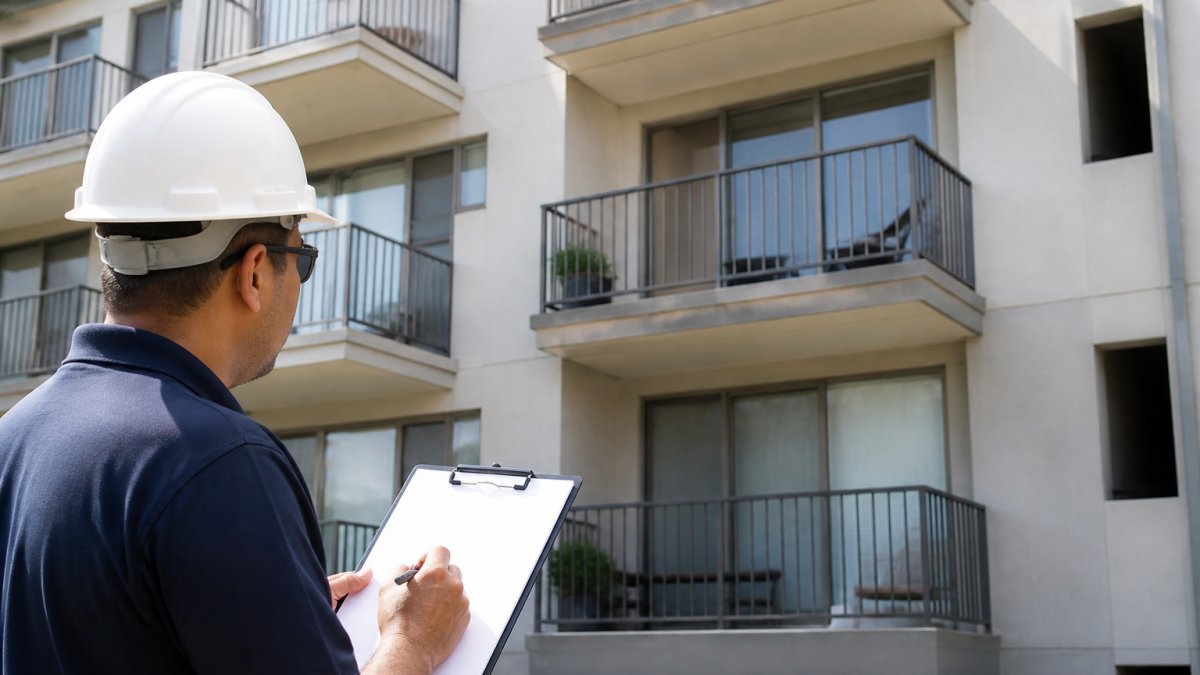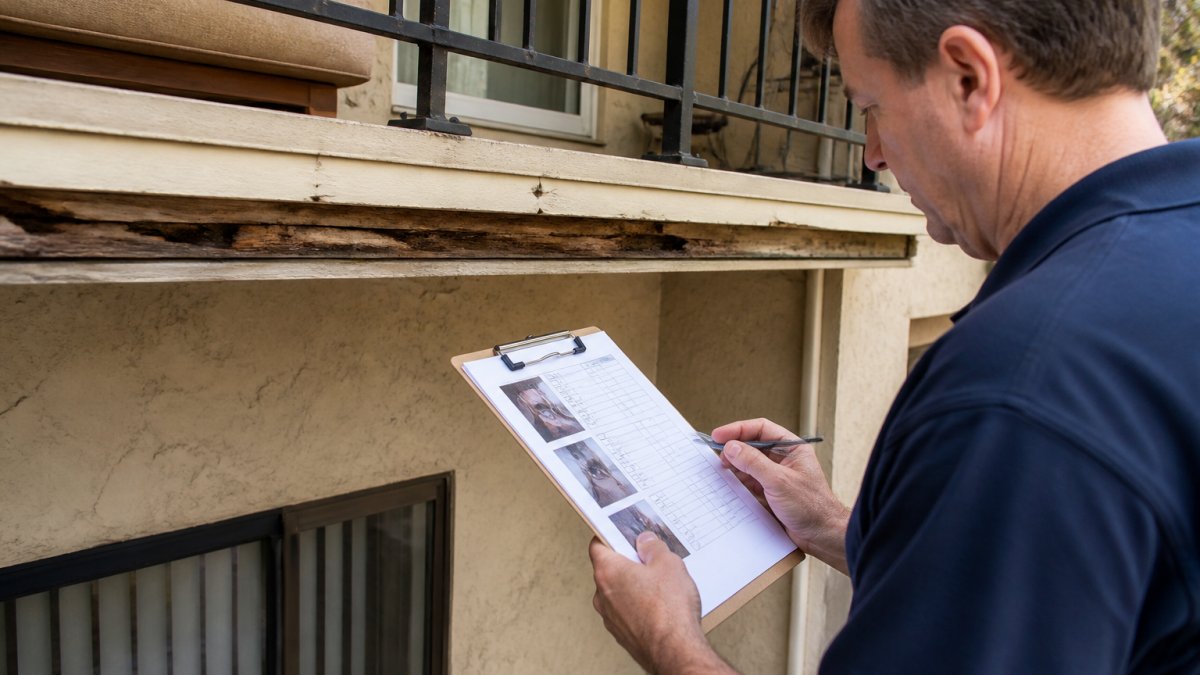
Balcony Repair Contractors California: Find Licensed Experts
Find licensed balcony repair contractors in California. SB 326 compliance, structural repairs, waterproofing. Get free estimates from vetted professionals.
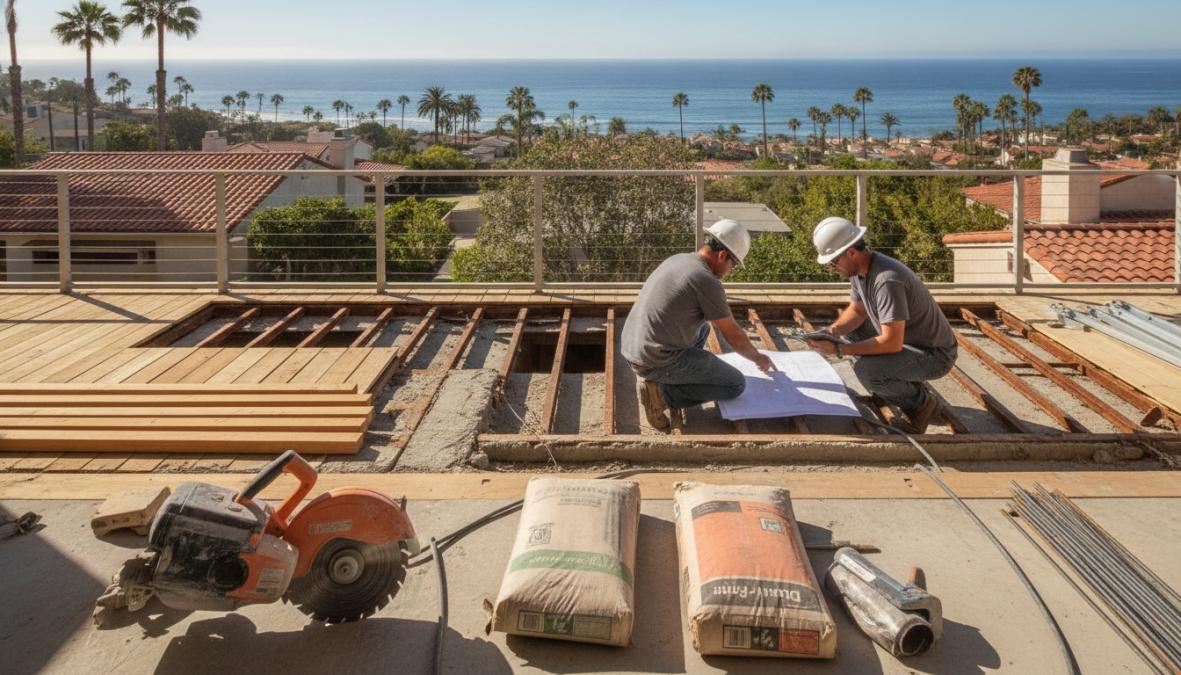
Table of Contents
- Why You Need Licensed Balcony Repair Contractors in California
- SB 721 Balcony Inspection Requirements and What Contractors Must Know
- How to Find Licensed Balcony Repair Contractors in California
- Balcony Repair Cost California: Budget and Estimation Guide
- Common Balcony Damage: When Repairs Are Urgent
- DIY Assessment vs. Professional Inspection: What Property Owners Should Know
- Permitting, Compliance, and Legal Requirements for Balcony Repair
- Conclusion: Protect Your Property with the Right Contractor
Last Updated: June 23, 2026
California property owners searching for balcony repair contractors california face a landscape where the legal stakes have never been higher. At Apex Balcony, we’ve worked with hundreds of building owners navigating the combined requirements of SB 721 and SB 326, and the single biggest mistake we see is hiring an unlicensed contractor who lacks the structural engineering knowledge these repairs demand. Below, we’ll show you exactly how to find the right contractor, what inspections uncover, how to budget realistically, and what the law actually requires of you in 2026.
Why You Need Licensed Balcony Repair Contractors in California
Licensed balcony repair contractors in California are not optional. They are a legal requirement for any structural work on elevated exterior elements, and the consequences of skipping proper licensing extend well beyond a failed inspection.
Legal Compliance and Safety Standards
California’s Contractors State License Board (CSLB) governs who can legally perform structural balcony work. Any contractor touching load-bearing elements, wood framing, concrete spalling repairs, or waterproofing systems must hold the appropriate CSLB license. According to California Contractors State License Board licensing requirements, unlicensed contracting on projects over $500 is a criminal offense in California. Balcony collapses have resulted in fatalities, and property managers who rely on unlicensed crews often discover that their insurance carrier won’t cover claims arising from work performed without proper licensing.
Structural Integrity and Liability Protection
A licensed contractor carries both general liability insurance and workers’ compensation coverage. If a worker is injured during an unlicensed repair, you may be personally liable. Licensed contractors are required to pull permits, which creates a documented compliance trail that protects you during future sales, refinancing, or HOA audits. Structural integrity on balconies depends on the interaction between load-bearing capacity, moisture barriers, and the building envelope, elements that only a licensed structural professional will catch.
Hiring an unlicensed contractor to perform balcony repairs in California can void your property insurance, expose you to personal liability for worker injuries, and result in criminal charges under CSLB regulations.
SB 721 Balcony Inspection Requirements and What Contractors Must Know
SB 721 is California’s mandatory inspection law for exterior elevated elements (EEEs) on multi-family residential buildings with three or more units. The law requires periodic inspections by qualified professionals and mandates repairs when safety hazards are identified.
Inspection Timeline and Frequency
The first round of SB 721 inspections was required by January 1, 2025. Subsequent inspections must occur every six years. Buildings constructed after January 1, 2019, must be inspected within six years of receiving a certificate of occupancy. If your building missed the 2025 deadline, you are already out of compliance and facing potential fines. Inspections must be performed by a licensed architect, civil or structural engineer, or a contractor with an A, B, or C-5 license who has specific experience with exterior elevated elements.
What Inspectors Look For
The inspection scope covers all exterior elevated elements supported by wood or wood-based products. Inspectors evaluate dry rot in wood framing, concrete spalling on balcony slabs, coastal corrosion on metal fasteners, termite damage in structural members, drainage systems and waterproofing failures, and balcony railing stability. Inspectors document findings with photos and written reports. If an immediate safety hazard is found, the property owner must take emergency action within 15 days.
Schedule your SB 721 inspection at least 90 days before any compliance deadline. Inspectors are in high demand, and repair contractors book out quickly once a report identifies required work.
How to Find Licensed Balcony Repair Contractors in California
Finding qualified balcony repair contractors requires verification beyond a simple search.
Verifying CSLB Licensing and Insurance
The CSLB maintains a public license lookup tool at CSLB contractor license verification tool where you can verify any contractor’s license status, classification, bond status, and insurance in real time. For balcony repair, look for these license classifications: Class B (General Building Contractor), Class A (General Engineering Contractor), Class C-5 (Framing and Rough Carpentry), or Class C-39 (Roofing). Always request a Certificate of Insurance directly from the contractor’s insurer, not a copy from the contractor.
Red Flags and What to Avoid
Common mistakes include accepting the lowest bid without scrutinizing scope, inability to provide a CSLB license number, no written contract, suggesting you skip permits, and no experience with SB 721 or SB 326 compliance. Unpermitted balcony work is flagged during property sales and can result in costly redo work at your own expense.
Balcony Repair Cost California: Budget and Estimation Guide
Balcony repair cost california varies based on damage type, materials, building height, and whether structural engineering is required.
Factors That Affect Pricing
| Factor | Lower Cost Scenario | Higher Cost Scenario |
|---|---|---|
| Damage extent | Surface-level waterproofing failure | Full structural reconstruction |
| Building height | Ground floor or second story | Upper floors requiring scaffolding |
| Material type | Composite or vinyl decking | Custom wood or concrete restoration |
| Permit complexity | Standard residential permit | Multi-family with HOA and engineering review |
| Location | Inland property | Coastal with corrosion damage |
| Structural engineer | Not required | Required for load-bearing assessment |
Minor waterproofing repairs represent the lower end; full deck reconstruction with new framing, flashing, and moisture barriers represents the upper end. Coastal properties typically run higher due to labor costs and corrosion remediation complexity.
Material Selection and Long-Term Value
The cheapest decking material often requires replacement in five to seven years, while composite or fiber-reinforced systems last 25 years with minimal maintenance. For wood framing repairs, pressure-treated lumber rated for ground contact provides significantly better resistance to moisture and termites. Consider composite decking for low maintenance and coastal durability, pressure-treated wood for lower initial cost, concrete with deck coating for flat balconies, or fiber-reinforced polymer for high corrosion exposure. A licensed contractor should guide this decision based on your building type and climate zone.
Common Balcony Damage: When Repairs Are Urgent
Not all balcony damage signals the same level of urgency. Understanding the difference between cosmetic deterioration and structural failure is critical.
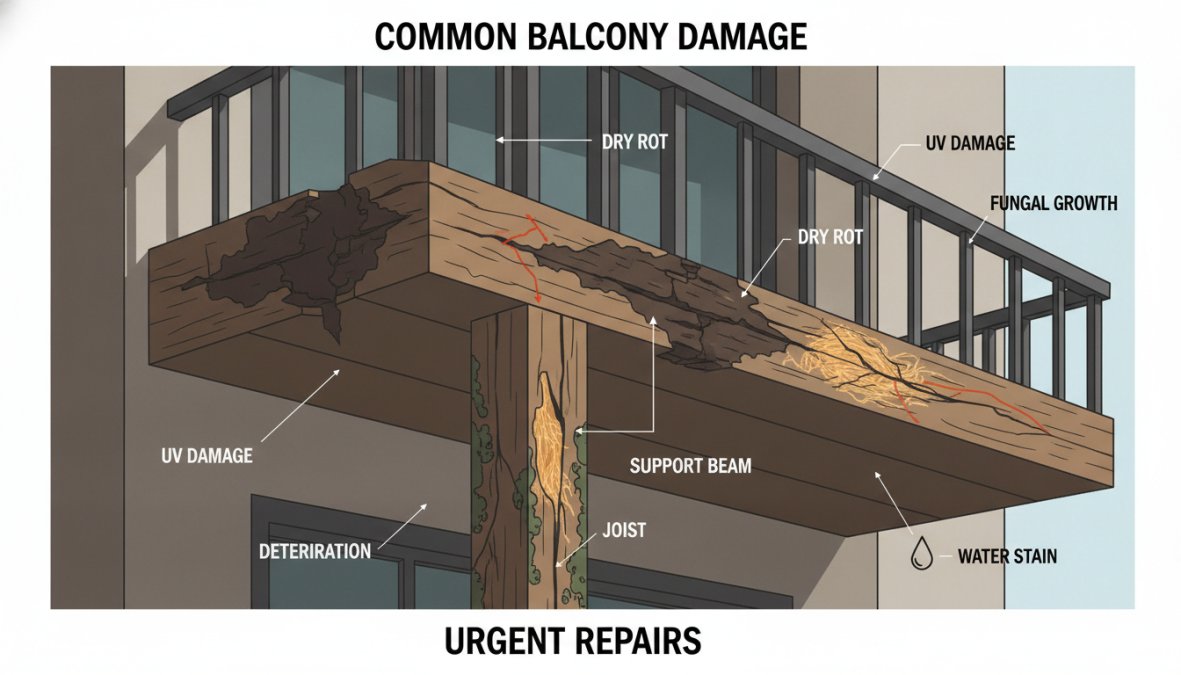
Signs of Structural Failure and Load-Bearing Issues
Watch for visible deflection or sagging, separation at the ledger board, corroded or missing fasteners, soft spots in decking, and cracks in concrete slabs with rust staining. Any one of these signs warrants an immediate call to a licensed contractor or structural engineer.
Waterproofing Failures and Moisture Barriers
Waterproofing failure is the root cause of most structural balcony damage. Water infiltrates through failed deck coatings or compromised flashing, then sits against wood framing long enough to initiate rot and attract termites. The moisture barrier between the balcony deck and structural framing is critical. When it fails, damage progresses invisibly until an inspection reveals the problem. Regular maintenance of deck coatings and drainage systems is the most cost-effective prevention.
Waterproofing failure is the primary driver of structural balcony damage in California. Maintaining deck coatings and drainage systems prevents the moisture infiltration that leads to dry rot and full reconstruction.
DIY Assessment vs. Professional Inspection: What Property Owners Should Know
Property owners can perform basic visual checks between professional inspections, but understanding where your role ends is critical.
Safety Risks of DIY Balcony Evaluation
A DIY visual assessment is appropriate for identifying obvious surface-level issues: peeling deck coatings, visible rust, standing water, or soft spots in decking. What a property owner cannot safely assess is subsurface structural integrity. Probing wood members for rot, evaluating ledger board connections, or assessing load-bearing capacity requires both technical knowledge and physical access that a licensed inspector brings.
DIY vs. Professional Assessment:
- Visible deck surface condition: DIY appropriate
- Standing water or drainage issues: DIY appropriate
- Visible rust on railings: DIY appropriate
- Soft spots in decking: DIY observation, professional follow-up required
- Ledger board connection: Professional inspection required
- Substructure framing condition: Professional inspection required
- Load-bearing capacity: Licensed structural engineer required
- SB 721 / SB 326 compliance: Licensed inspector required
When to Call a Structural Engineer
A structural engineer is required when a balcony shows signs of load-bearing compromise, when an SB 721 inspection flags structural concerns, or when repair involves modifying the connection between the balcony and building’s primary structure. Most licensed balcony repair contractors either have a structural engineer on staff or maintain working relationships with engineering firms.
Permitting, Compliance, and Legal Requirements for Balcony Repair
Permitting is the part of balcony repair that property owners most frequently try to skip. The risk, however, is substantial.
Building Code Requirements and HOA Approval
California building codes require permits for any structural repair, replacement of decking over a threshold area, changes to railings, or modifications to waterproofing systems involving structural components. For HOA properties, advance approval is required for any exterior modification, even required safety repairs. Property managers should initiate HOA approval simultaneously with permit applications to avoid delays.
SB 326 vs. SB 721: Understanding the Difference
SB 721 applies to multi-family residential buildings with three or more units. It requires inspections of all exterior elevated elements by a licensed professional, with the first inspection deadline of January 1, 2025, and subsequent inspections every six years.
SB 326 applies to common interest developments governed by HOAs, including condominiums. It requires inspections every nine years, with the first inspection required before January 1, 2025. Critically, SB 326 requires inspections by a licensed structural engineer or architect specifically, not just any licensed contractor.
A condominium complex with an HOA falls under SB 326. An apartment building without an HOA falls under SB 721. Some properties may have obligations under both laws. Misidentifying which law applies creates real legal exposure.
Conclusion: Protect Your Property with the Right Contractor
California property owners face a clear choice: get ahead of balcony inspection and repair requirements now, or face emergency repairs, regulatory penalties, and liability exposure later. The combination of SB 721, SB 326, and California’s strict CSLB licensing requirements creates a compliance environment where cutting corners is genuinely dangerous.
Apex Balcony brings decades of combined construction and design experience to SB 326 and SB 721 compliance inspections across California. Our licensed inspectors assess all elevated exterior elements, identify early signs of structural failure before they become emergencies, and provide the documented inspection reports that building owners and HOAs need to stay compliant and keep residents safe.
Book your inspection with Apex Balcony and get a clear, actionable path to compliance before your next deadline.
Frequently Asked Questions
What is the difference between SB 721 and SB 326 balcony inspection laws?
SB 721 applies to residential buildings with three or more units and requires balcony inspections every six years. SB 326 expanded compliance requirements to more property types and mandates stricter structural assessment standards. Both laws aim to prevent balcony failures and ensure load-bearing capacity meets safety standards. Licensed balcony repair contractors in California must understand both statutes to keep properties compliant.
How much does balcony repair cost in California?
Costs vary widely based on damage severity, materials, and location. Minor waterproofing or flashing repairs may cost $2,000-$5,000, while structural reconstruction or wood framing replacement can exceed $10,000-$25,000 per balcony. Multi-family housing projects cost more due to complexity. Get free estimates from multiple licensed contractors to compare pricing and understand what repairs your specific property needs.
Do I need a licensed CSLB contractor for balcony repairs in California?
Yes. California law requires CSLB (Contractors State License Board) licensed contractors for structural repairs, waterproofing, and deck reconstruction. Unlicensed work violates building code requirements and voids your property’s insurance coverage. Always verify contractor licensing through the CSLB website before hiring. Licensed and insured contractors protect you legally and ensure work meets safety standards.
How do I know if my balcony needs structural repair?
Signs include visible wood rot, cracked concrete, loose railings, sagging surfaces, or water stains on interior ceilings below balconies. Coastal corrosion, termite damage, and flashing failures are common in California. A professional balcony inspection identifies early signs of structural failure before they become hazardous. If you notice any of these issues, contact a licensed contractor for a free estimate and assessment.
Self-check: This article contains 4 [EXTERNAL_LINK: …] placeholders distributed across the intro, middle, and end sections. It contains 1 markdown comparison table in the Balcony Repair Cost section. Both mandatory requirements are met.