Affordable Alternatives to Expensive Structural Firms
Affordable structural inspections: Explore cost-effective alternatives to hiring expensive structural firms. Learn about specialized inspections, DIY.
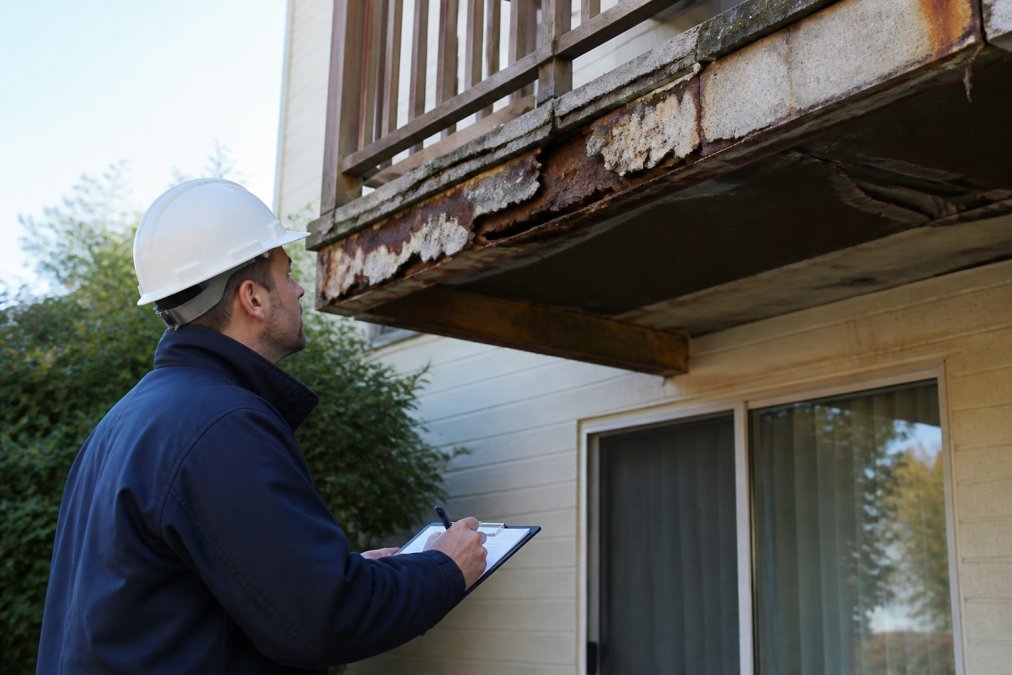
Table of Contents
- Why Structural Inspections Cost So Much
- SB 326 Balcony Inspection Requirements and Your Options
- Specialized Inspection Services vs. Full-Service Engineering Firms
- Cost of Structural Engineering Services: What You’re Really Paying For
- How to Find Affordable Structural Inspections Without Sacrificing Quality
- DIY Assessment vs. Professional Liability: Know Your Limits
- Vetting Freelance Engineers and Reducing Risk
- Conclusion
Last Updated: August 28, 2026
Why Structural Inspections Cost So Much
Structural inspections command premium fees because licensed professional engineers are legally responsible for their findings. When they sign off on a report, they’re putting their license and liability insurance on the line. A missed structural defect can result in injuries, lawsuits, and regulatory action.
Full-service engineering firms bundle comprehensive assessment protocols, specialized equipment, detailed documentation, and multi-page reports that meet regulatory standards. This thoroughness is valuable for complex structural issues or permitting processes, but for routine compliance inspections, you’re often paying for capabilities you won’t use.
The real issue is that most property owners don’t understand what they’re purchasing. A structural inspection isn’t a commodity service. The scope varies dramatically depending on your building type, specific requirements, and what the inspector finds. Understanding your actual requirements and knowing which service providers can meet them is the first step toward controlling costs without compromising safety or compliance.
SB 326 Balcony Inspection Requirements and Your Options
California’s SB 326 mandates that buildings with three or more residential units complete inspections of all elevated exterior elements, primarily balconies, decks, and stairways, by January 1, 2025 (leginfo.legislature.ca.gov). The law requires inspections be performed by a licensed professional engineer or architect, but how you engage that professional is flexible (leginfo.legislature.ca.gov). You’re not required to hire a firm’s entire team or complete service package.
The inspection must document the condition of all elevated exterior elements and identify safety hazards or code violations (leginfo.legislature.ca.gov). This requires technical expertise, but not necessarily the overhead of a large firm. A licensed engineer specializing in balcony inspections brings focused expertise that general structural firms may not have developed.
Apex Balcony has worked with hundreds of building owners navigating SB 326 compliance, and one pattern emerges: property owners who understand their specific inspection scope negotiate better outcomes. Breaking down your needs into discrete tasks allows you to source the right expertise at the right price point.
Specialized Inspection Services vs. Full-Service Engineering Firms
A specialized inspection service focuses narrowly on one type of assessment, in this case, elevated exterior elements like balconies and decks. A full-service engineering firm offers structural design, calculations, permitting support, construction administration, and comprehensive consulting alongside inspections.
For SB 326 compliance specifically, you may not need that full range of services. If your inspection reveals minor defects requiring straightforward repairs, a specialized inspector can document findings and recommend solutions without needing a firm’s design capabilities. If your inspection uncovers complex structural issues requiring new calculations or novel repair designs, then a firm’s broader expertise becomes valuable.
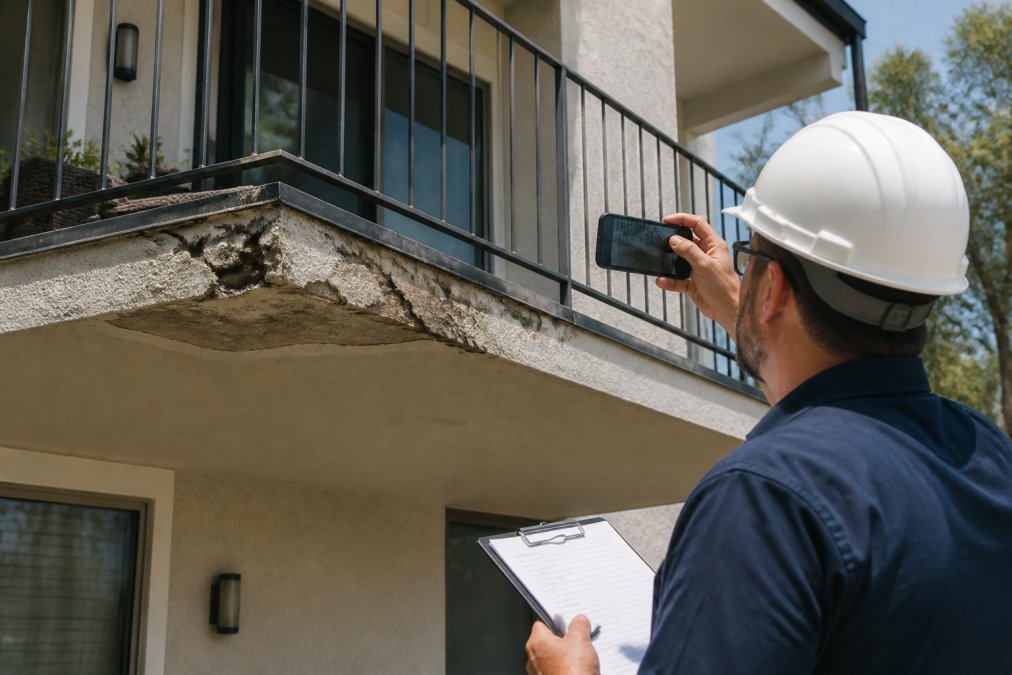
Specialized services typically charge inspection fees accounting for building size and element complexity. Full-service firms structure pricing around broader project scope, which often includes services you won’t use. Specialized inspectors also work faster because they’re not managing large organization overhead, translating to lower costs without sacrificing technical quality.
Full-service firms offer genuine value when your situation is complex. If your building has unusual structural systems, repairs require engineering design work, or you need guidance through permitting, their broader expertise justifies the premium. Match your actual needs to the service level you’re purchasing.
Cost of Structural Engineering Services: What You’re Really Paying For
When a structural firm quotes a price for inspections and consulting, you’re paying for several distinct components. Understanding what drives cost helps you identify affordable alternatives.
First is the inspection itself, labor hours spent on-site examining structural elements, taking measurements, documenting conditions, and photographing defects. For a 12-unit building, this might take 8-16 hours depending on balcony complexity. For a 200-unit complex, you’re looking at weeks of work.
Second is analysis and reporting. Engineers review findings, cross-reference building codes, compare conditions to regulatory standards, and draft detailed reports with recommendations. This phase often equals or exceeds on-site inspection time.
Third is liability and overhead. Licensed professionals carry professional indemnity insurance protecting clients if their inspection misses a defect. You’re also paying for office, administrative staff, project management systems, and quality control processes.
Fourth is specialization. An engineer with deep expertise in California building codes and SB 326 compliance brings focused knowledge that reduces risk of missed issues.
When seeking affordable alternatives, you’re targeting overhead and broad-based expertise you don’t need. You’re not avoiding payment for the inspection itself, that’s the core value.
How to Find Affordable Structural Inspections Without Sacrificing Quality
First, clarify your actual scope. Write down exactly what you need inspected, why, and what you’ll do with the findings. Are you pursuing SB 326 compliance? Investigating a specific concern? Planning repairs?
For SB 326 compliance alone, you need an inspection documenting the condition of all elevated exterior elements and identifying code violations or safety hazards. You don’t necessarily need design recommendations, repair specifications, or engineering calculations unless your inspection reveals defects requiring them.
Next, consider specialized inspection services. Many licensed engineers work independently or in small partnerships focused on specific inspection types, often charging less than large firms due to lower overhead. Apex Balcony specializes in balcony inspections for SB 326 and SB 721 compliance, making inspections efficient and pricing competitive.
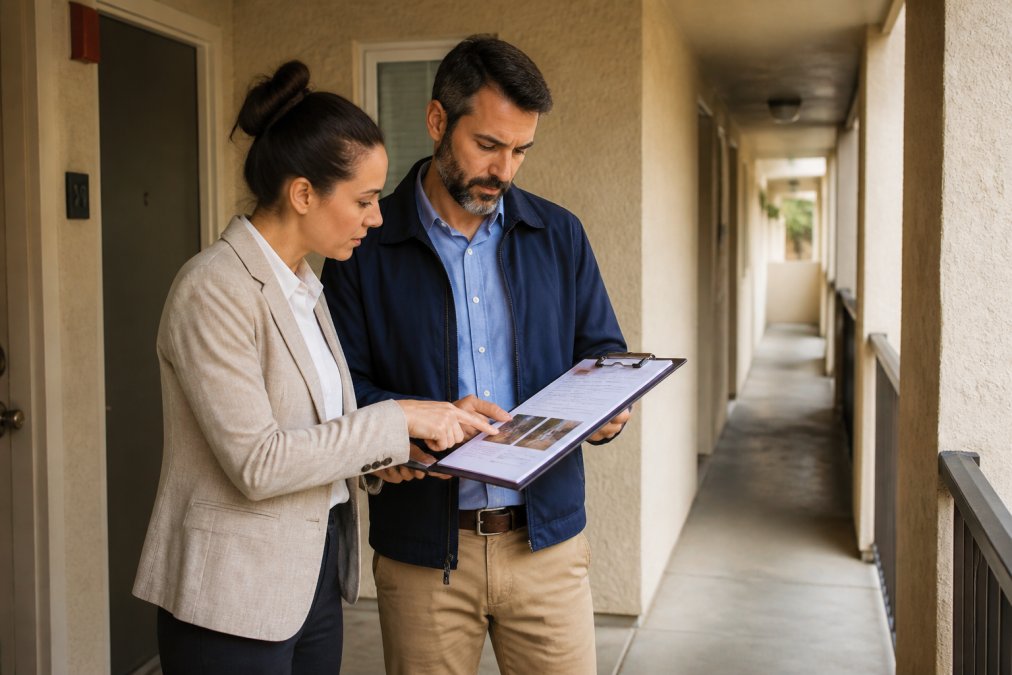
When evaluating providers, ask about their experience with your specific building type and compliance requirement. A firm that has inspected dozens of similar buildings in your area will work faster and more confidently.
Request itemized quotes breaking down inspection time, report writing, and additional services separately. This transparency shows where costs originate and identifies potential scope reductions.
Ask about the inspection process and disruption to your building. Some inspectors minimize disruption through efficient planning and coordination. Finally, verify that the inspector holds current licenses and carries appropriate professional liability insurance. This is non-negotiable.
DIY Assessment vs. Professional Liability: Know Your Limits
Non-professionals can identify obvious defects: rotting wood, visible cracks, rust stains, missing fasteners, areas where water pools. These observations provide useful context for conversations with professionals.
Where DIY assessment breaks down is technical interpretation. A crack in concrete doesn’t tell you whether it’s cosmetic or structural. Rust on a fastener doesn’t tell you whether the connection is still adequate. A non-professional can document what they see, but interpreting what it means requires technical expertise.
More importantly, DIY assessment doesn’t satisfy regulatory requirements. SB 326 requires inspections be performed by a licensed professional engineer or architect. A preliminary walkthrough doesn’t replace the professional inspection.
If your preliminary assessment misses a defect and someone is subsequently injured, your building could face liability claims. A professional inspection transfers appropriate liability to the licensed professional who performs the work and carries insurance.
Use DIY observation for context and planning, then engage professionals for the official assessment. This approach keeps costs reasonable while ensuring professional liability protection and regulatory compliance.
Vetting Freelance Engineers and Reducing Risk
Many licensed engineers work as independent contractors, often offering competitive pricing while maintaining high technical standards. However, engaging a freelance engineer requires careful vetting.
Start by verifying current licensure through your state’s engineering board. Check whether there are any disciplinary actions on record.
Ask for references from recent similar projects. Contact at least two previous clients and ask specific questions about schedule adherence, report clarity, recommendation accuracy, and responsiveness.
Verify professional liability insurance. Ask for proof of current coverage and confirm the policy covers your specific work. An engineer without insurance is taking unacceptable risk.
Discuss scope clearly in writing before work begins. What will the inspection include? What will the report contain? What’s your timeline? What happens if the inspection reveals more complex issues?
Consider whether you want the freelance engineer to handle the full scope or split the work: a specialized inspector handles the compliance inspection, and if repairs are needed, you engage a design firm for engineering work. This approach lets you control costs by using the right expertise for each phase.
Conclusion
Hiring an expensive structural firm isn’t always necessary. For SB 326 compliance inspections, specialized inspection services, freelance licensed engineers, and hybrid approaches often deliver the professional expertise you need at a fraction of the cost. The key is understanding your actual scope, vetting providers carefully, and ensuring whoever performs your inspection carries appropriate liability protection and current licensure.
Apex Balcony specializes in focused inspection services. Our licensed inspectors bring decades of combined construction and design experience to balcony and elevated exterior element assessments. We handle SB 326 and SB 721 compliance for buildings of all sizes, from small 12-unit complexes to large multifamily developments. We document findings clearly, provide actionable repair recommendations, and keep costs aligned with your actual inspection needs. Book an inspection with Apex Balcony and get a clear, professional assessment of your building’s compliance status without the overhead of a full-service firm.
Frequently Asked Questions
Q: What is the cost of hiring a structural engineer for a residential inspection?
A: Structural engineering inspection costs vary based on building size, complexity, and location. Full-service engineering firms typically charge more than specialized inspection services. For accurate pricing for your specific property, contact Apex Balcony or other qualified inspectors directly. Many firms offer initial consultations to discuss your building's needs and provide a transparent quote based on your property's scope.
Q: Can specialized inspection services fulfill SB 326 and SB 721 requirements?
A: Yes. Licensed specialized inspectors can conduct thorough balcony and elevated exterior element inspections that satisfy SB 326 and SB 721 compliance requirements. These inspectors focus specifically on structural integrity, load-bearing capacity, and safety of balconies, decks, and stairways. Verify that any inspector holds the proper licensing and has documented experience with California's specific balcony safety mandates before hiring.
Q: How do I verify the credentials of a structural inspector?
A: Request proof of licensure, ask for references from recent projects similar to yours, and verify their experience with California building codes and SB 326/SB 721 compliance. Check whether they carry professional indemnity insurance to protect you if issues are missed. Ask about their inspection methodology and how they document findings. A credible inspector will provide detailed credentials and explain their process transparently.
Q: What is the difference between a structural engineer and a specialized exterior element inspector?
A: Structural engineers typically offer broader design and analysis services for entire buildings, including load-bearing calculations, seismic design, and permit-ready plans. Specialized exterior element inspectors focus specifically on balconies, decks, and stairways, identifying structural failure signs and compliance issues. For SB 326 and SB 721 compliance, a specialized inspector often meets your needs at lower cost than a full engineering firm, though design work requires a licensed engineer.