Balcony Inspections: SB 721 & SB 326 Compliance Guide
Learn what balcony inspections entail under SB 721 and SB 326. Understand deadlines, costs, and how to prepare for compliance inspections.
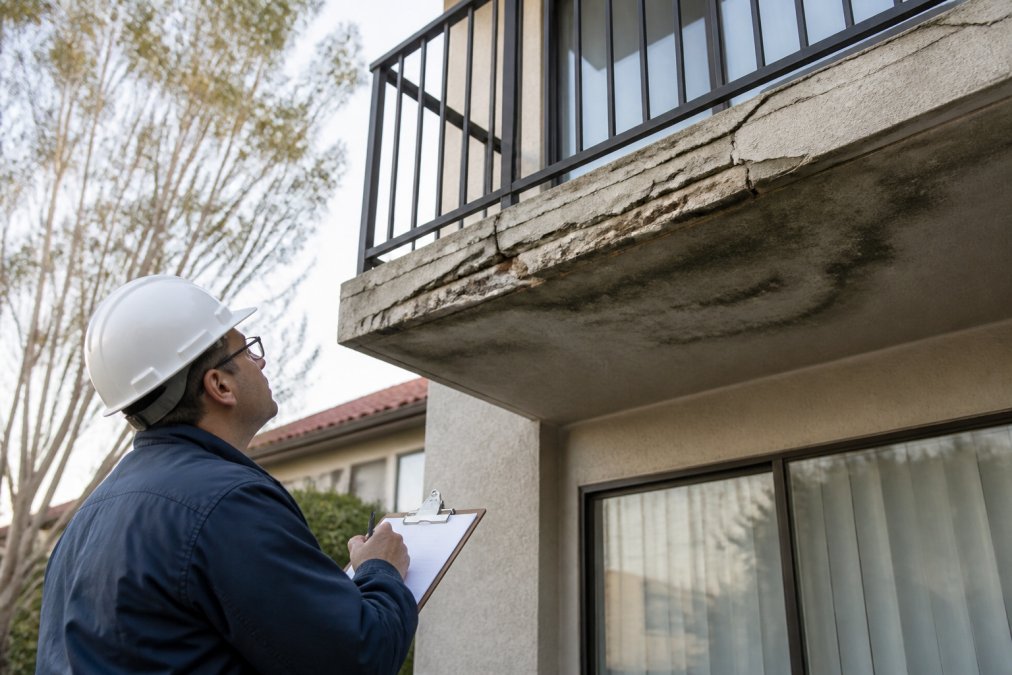
Table of Contents
- SB 721 and SB 326: What Property Owners Must Know
- What Are Exterior Elevated Elements and Why They Matter
- Inspection Frequency and Compliance Deadlines
- How to Prepare for a Balcony Inspection
- Understanding SB 326 Balcony Inspection Costs and Budgeting
- Common Structural Issues Found During Inspections
- After the Inspection: Repairs, Certification, and Compliance
- Conclusion
Last Updated: August 27, 2026
SB 721 and SB 326: What Property Owners Must Know
Two California laws have fundamentally reshaped how property owners manage balcony safety. SB 721 and SB 326 establish mandatory inspection and maintenance requirements for residential buildings with three or more units, targeting exterior elevated elements that pose serious structural risks. SB 721, which took effect in 2019, requires inspections of balconies and other exterior elevated elements in buildings constructed before 2008 (leginfo.legislature.ca.gov). SB 326, enacted in 2018, applies to all residential buildings with three or more units and mandates regular inspections and maintenance of balconies, decks, stairways, and other elevated structures. Together, they create a comprehensive compliance framework that property owners cannot ignore.
At Apex Balcony, we’ve guided hundreds of property managers and HOA boards through these requirements. The stakes are high: a single structural failure can result in injuries, fatalities, and catastrophic liability exposure. Yet many building owners remain confused about which law applies to their property, what the inspection timelines actually are, and what happens after an inspection reveals problems. This guide clarifies those questions and walks you through the entire compliance process.
The most common mistake property owners make is waiting until a compliance deadline is imminent before scheduling inspections. Inspectors book up quickly, especially in busy seasons. Schedule your balcony inspections 60-90 days before your deadline to avoid rushed work and ensure thorough analysis.
What Are Exterior Elevated Elements and Why They Matter
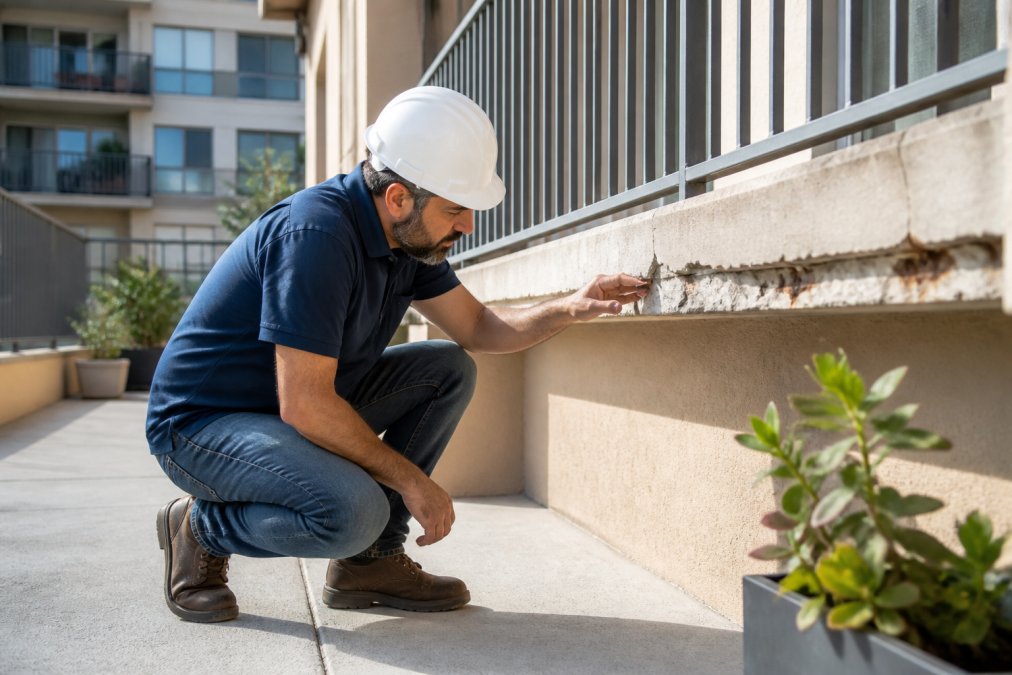
Exterior elevated elements (EEEs) are any structural components that extend from a building and support human occupancy or passage. This includes balconies, decks, patios, stairways, walkways, and similar structures attached to residential buildings.
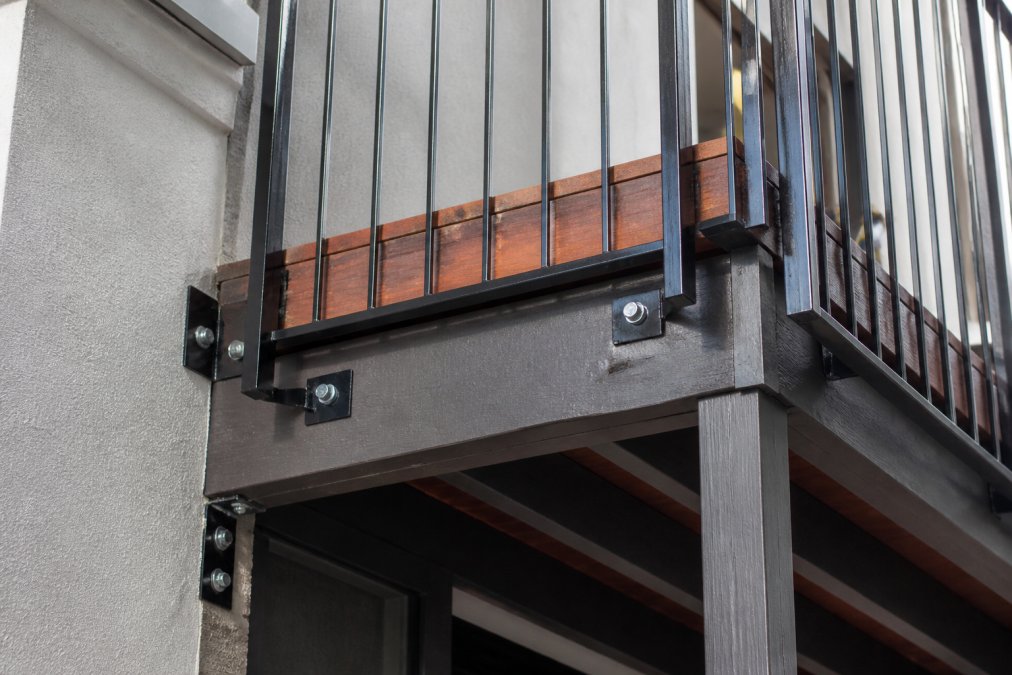
Balconies and elevated structures face constant environmental stress. Moisture intrusion from rain and seasonal changes causes wood rot, rust, and corrosion in structural supports. Temperature swings cause materials to expand and contract, weakening fasteners and joints. Over time, these forces compromise load-bearing capacity.
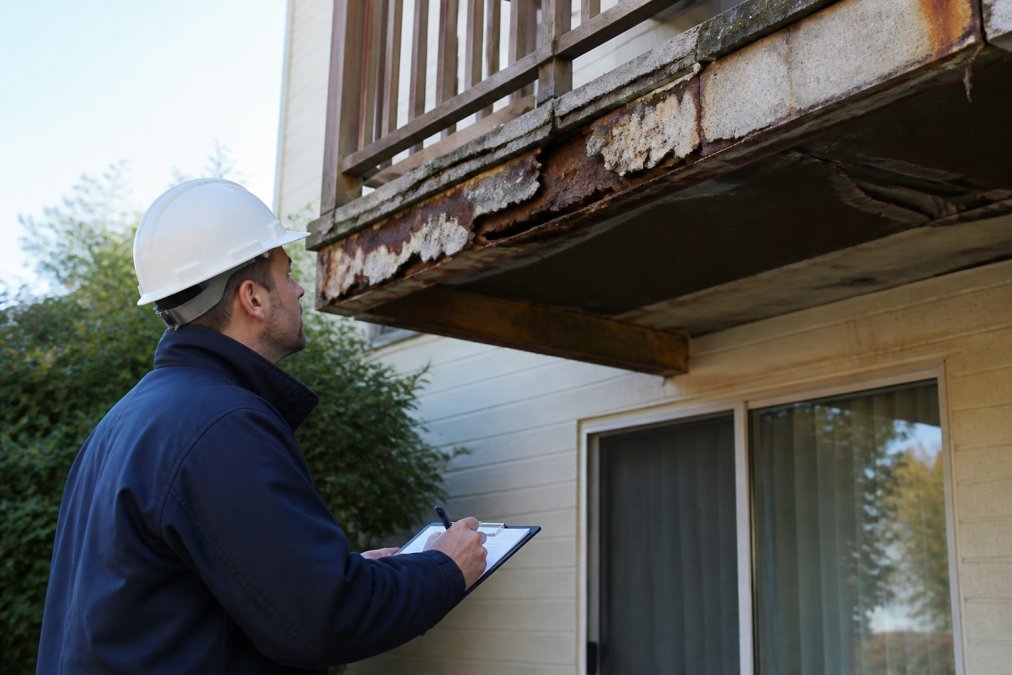
The 2015 Berkeley balcony collapse that killed six people illustrates the catastrophic consequences of deferred maintenance. Both this incident and the 2021 Malibu incident involved wood rot and deteriorated structural integrity that visual inspection should have caught years earlier. California’s building code now requires proactive inspections to identify early warning signs of structural failure before they become dangerous, shifting from reactive to preventative maintenance.
Exterior elevated elements are any raised platform where residents live or pass through. Moisture intrusion and environmental stress cause structural failure over time. Regular inspections catch problems before they become dangerous.
Inspection Frequency and Compliance Deadlines
The inspection timeline depends on which law applies to your property and when your building was constructed. Understanding your specific deadline is critical; missing it triggers penalties and potential liability.
For buildings subject to SB 721 (constructed before 2008), the initial inspection deadline was January 1, 2025 (leginfo.legislature.ca.gov). Once you complete that first inspection, subsequent inspections must occur every six years. If you missed the 2025 deadline, schedule your inspection immediately.
SB 326 applies to all residential buildings with three or more units, regardless of construction date (leginfo.legislature.ca.gov). These buildings must have their first balcony inspection completed by January 1, 2022. Subsequent inspections are required every six years for buildings in good structural condition. If your inspection reveals significant deficiencies, you may be required to complete repairs and follow-up inspections within 180 days.
The six-year cycle represents a reasonable interval for identifying new problems before they reach critical stages. However, buildings in harsh climates often experience faster deterioration and may benefit from inspections every three to four years.
Create a compliance calendar that marks your initial inspection date and your next required inspection six years out. Digital reminders set 90 days before your deadline help ensure you schedule inspections before inspectors become fully booked.
Missing your SB 721 or SB 326 inspection deadline can result in fines, loss of insurance coverage, and personal liability for injuries. If your building experiences a balcony failure and your records show a missed inspection, courts may hold you personally responsible for damages. Schedule your inspection 60-90 days before the deadline.
How to Prepare for a Balcony Inspection
Proper preparation ensures your inspection is thorough, efficient, and documents baseline conditions clearly.
Start by gathering existing documentation: previous inspection reports, repair records, architectural drawings, and maintenance logs. Inspectors use this history to understand what has already been addressed and what patterns of deterioration might be emerging.
Ensure inspectors have safe access to all elevated elements. Schedule the inspection at a time when residents can be notified and access points cleared. Most inspections require entry to individual units to examine interior connections and structural supports, so resident cooperation is essential.
Notify residents in writing at least two weeks before the inspection. A professional notification should explain the purpose of the inspection, the date and time, what residents should expect, and how long inspectors will need access.
Prepare a list of known issues or concerns. If residents have reported squeaking boards, loose railings, or visible water damage, document these observations before the inspection. This demonstrates that you’re actively monitoring the property.
Designate a point person for the inspection day. This person should be present throughout the process, answer questions about the building’s history and maintenance, and ensure inspectors have access to all necessary areas.
Understanding SB 326 Balcony Inspection Costs and Budgeting
Inspection costs vary significantly based on building size, complexity, and the scope of structural assessment required. Building size is the primary driver; more units mean more balconies to inspect. Structural complexity matters too; buildings with cantilever balconies or complex connection details require more time and expertise. Geographic location affects costs as well; coastal properties with salt-air corrosion typically require more detailed analysis than inland buildings.
The inspection method also affects cost. Visual inspections cost less than invasive inspections that involve removing decking or railings to assess hidden structural elements. A statistically significant sample approach balances thoroughness with cost efficiency.
When budgeting for balcony inspections, plan for both the inspection cost and the cost of repairs that the inspection will likely reveal. A realistic budget approach involves setting aside reserves for both the inspection and anticipated remediation. Buildings with aging structures, deferred maintenance histories, or coastal exposure should budget more conservatively.
Small residential buildings (12-30 units) with straightforward balcony designs and no prior damage history typically experience faster, more affordable inspections. Larger complexes or properties with known maintenance issues require more time and detailed analysis.
Common Structural Issues Found During Inspections
Inspectors consistently find the same categories of problems across buildings.
Dry rot is the most frequent finding. Wood exposed to moisture develops fungal decay that compromises structural integrity. Inspectors identify dry rot by probing wood with specialized tools; decayed wood feels soft and crumbly rather than solid. Coastal properties and buildings in rainy climates experience dry rot more frequently.
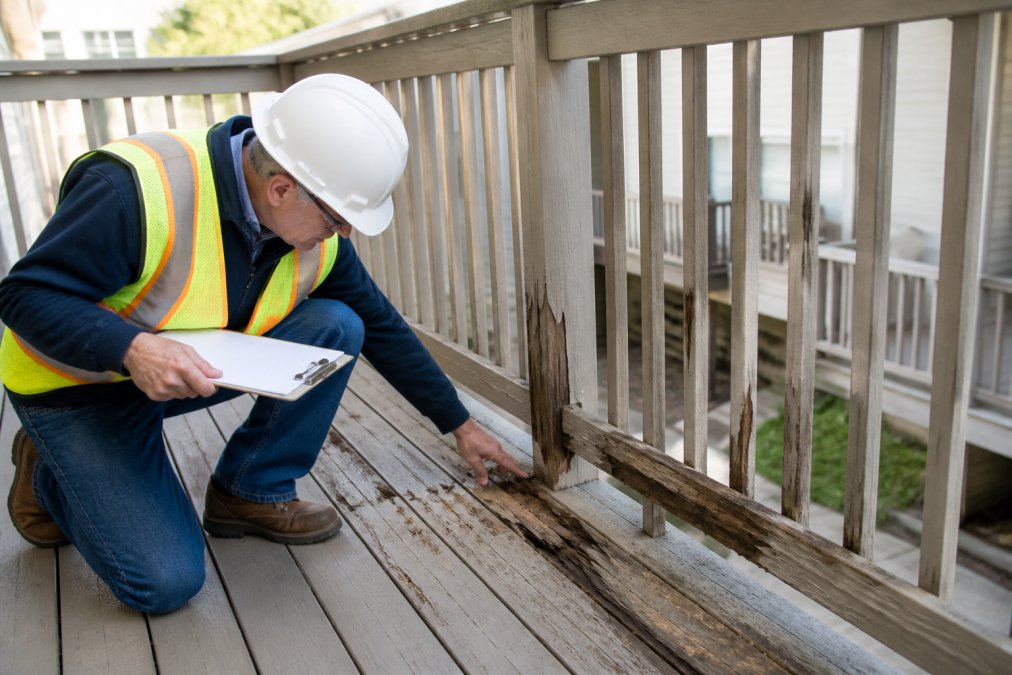
Corrosion of metal fasteners and reinforcement is another widespread problem. Steel bolts, brackets, and rebar corrode when exposed to moisture and salt air. Corroded fasteners lose holding strength; a bolt that should secure a balcony to the building becomes progressively weaker as rust spreads through the metal.
Waterproofing failures allow moisture to penetrate into structural cavities where it causes hidden damage. Inspectors check waterproofing membranes, sealants, and drainage systems to identify areas where water intrusion is occurring or likely to develop.
Deteriorated railings and guardrails present fall hazards. Building code compliance requires railings to withstand specific lateral loads. Inspectors assess railing condition and test for movement or weakness.
Connection failures occur where balconies attach to the main building structure. These connection points experience the greatest stress and are often the first areas to fail.
After the Inspection: Repairs, Certification, and Compliance
Once the inspection concludes, you’ll receive a detailed report documenting all findings. This report categorizes issues by severity and urgency. Critical deficiencies require action within 180 days. Non-critical issues can be addressed on a longer timeline, though they still require resolution.
The inspection report becomes your roadmap for repairs. When you hire contractors to perform remediation work, provide them with the inspection report so they understand exactly what the inspector identified and what the repair must accomplish.
Post-repair certification is essential for compliance. After repairs are completed, a licensed engineer or architect should inspect the work and certify that it meets building code standards and addresses all findings from the original inspection. This certification documentation proves to regulators and insurers that you’ve taken corrective action.
Insurance implications deserve attention. Some property insurance policies include exclusions for buildings with known structural deficiencies or deferred maintenance. Completing timely repairs and maintaining documentation of inspections and certifications strengthens your insurance position.
Tenant notification of inspection results is a best practice. Residents deserve to know if their balconies have safety concerns. A transparent communication approach builds trust and demonstrates responsible management.
Failing to complete repairs within the required timeline or neglecting to obtain post-repair certification keeps your building in non-compliant status. If a balcony failure occurs and your records show uncertified repairs or missed deadlines, you face personal liability for injuries and damages. Complete repairs and obtain engineering certification.
Conclusion
Balcony inspections under SB 721 and SB 326 are not optional compliance exercises; they’re essential safety measures that protect residents and shield property owners from catastrophic liability. Compliance requires understanding your specific deadlines, preparing your property for thorough inspection, budgeting for repairs, and completing remediation with proper certification.
Apex Balcony specializes in helping property owners and HOA boards navigate these requirements. Our licensed inspectors bring decades of construction and design experience to every evaluation, identifying structural problems early before they become dangerous. We provide comprehensive inspection reports that clearly document findings, guide your repair decisions, and establish the baseline for future compliance cycles. With Apex Balcony, you gain the expertise to keep your residents safe and your property compliant with California building standards. Book an inspection today and take the first step toward complete peace of mind.
Frequently Asked Questions
What is the difference between SB 721 and SB 326?
SB 721 applies to residential buildings with three or more units and requires initial inspections of exterior elevated elements like balconies and decks. SB 326 extends these requirements, mandating regular reinspections at specified intervals. Both laws aim to prevent structural failures and protect residents. Your building may fall under one or both laws depending on its construction date and unit count. A licensed inspector can determine which law applies to your property.
How often should a balcony be inspected under SB 721 inspection requirements?
SB 721 requires an initial inspection of all exterior elevated elements within a specific timeframe based on when your building was constructed. After the initial inspection, SB 326 mandates reinspections every six years for buildings with three or more units. Some properties may require more frequent inspections if previous reports identified significant damage. Your property management company or HOA should maintain a schedule to ensure compliance with these deadlines and avoid penalties.
What should I expect to pay for a balcony inspection, and how does SB 326 balcony inspection cost vary?
Inspection costs depend on the size of your building, the number of elevated elements to inspect, and the complexity of the structural assessment. A small 12-unit building will cost less than a 100-unit complex. Costs also vary based on whether the inspection is visual only or includes invasive testing to check for hidden moisture and decay. Contact your inspector for a detailed quote based on your specific property. Budget for potential repair costs separately, as inspections often identify issues requiring remediation.
Who is qualified to perform a balcony inspection for compliance?
California law requires that inspections be performed by licensed professionals such as structural engineers, architects, or contractors with expertise in building code compliance and structural integrity assessment. These professionals must understand load-bearing capacity, waterproofing standards, and safety certification requirements. Verify that your inspector holds the appropriate licenses and carries liability insurance. Ask about their experience with multi-family residential buildings and familiarity with current building code standards.