
Hiring a Structural Engineer for Foundation Repair
Structural engineer foundation repair: Learn when you need a structural engineer for foundation repair, what to expect, and how to choose the right.
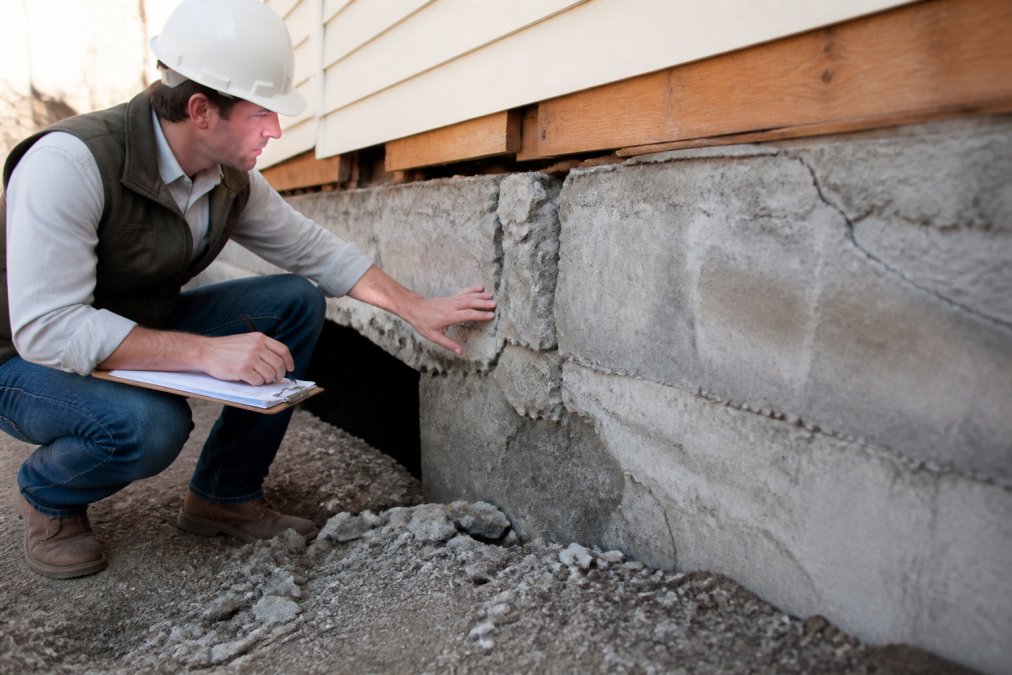
Table of Contents
- When Is a Structural Engineer Required for Foundation Repair?
- Foundation Repair Contractor vs. Structural Engineer: Key Differences
- Signs of Foundation Failure That Require an Engineer
- The Role of a Structural Engineer in Foundation Repair
- Understanding Structural Engineer Foundation Inspection Costs
- What to Expect During a Foundation Evaluation
- Choosing a Qualified Structural Engineer
- Decoding Your Engineering Report and Repair Plan
- Key Considerations for California Properties
- Frequently Asked Questions
Last Updated: September 21, 2026
When Is a Structural Engineer Required for Foundation Repair?
A structural engineer foundation repair assessment becomes necessary when foundation damage threatens the safety and stability of your building. The decision to hire a structural engineer isn’t optional in many cases, it’s legally mandated.
California building codes require a licensed structural engineer’s involvement when repairs exceed certain thresholds. If your foundation shows signs of significant settlement, cracking, or structural movement, you’ll need professional documentation before any contractor can legally proceed with repairs. This isn’t bureaucratic overhead, it’s protection for your residents and your liability.
Many property managers delay this step because they fear the cost and complexity. That hesitation often backfires. Without a structural engineer’s assessment, you risk underestimating repair scope, missing hidden damage, and facing code violations during inspection.
Foundation Repair Contractor vs. Structural Engineer: Key Differences
Understanding the distinction between these two professionals is critical for making informed decisions about your foundation. A foundation repair contractor performs the actual work, installing piers, injecting epoxy, or leveling slabs. A structural engineer analyzes the problem and designs the solution. They work in different lanes, and you need both.
A structural engineer examines your foundation’s structural integrity and load-bearing capacity. They conduct soil analysis, evaluate geotechnical conditions, and determine what’s actually failing and why. Their report becomes the blueprint for repair work. This professional holds a state license, carries professional liability insurance, and their seal on a report carries legal weight.
A foundation repair contractor executes the plan. They have the equipment, crew, and experience to install underpinning systems, perform mudjacking, or implement leveling procedures. Some contractors have engineering backgrounds, but their primary role is implementation, not design.
Here’s where conflict of interest matters: a contractor who both diagnoses and repairs your foundation has financial incentive to recommend expensive solutions. An independent structural engineer has no stake in the repair scope, they’re paid for analysis, not for work performed. This independence is why California law often requires an engineer’s report before major repairs begin.
Request the engineer’s report BEFORE accepting any contractor’s repair estimate. The engineer’s findings should drive the contractor’s scope of work, not the other way around.
Signs of Foundation Failure That Require an Engineer
Certain foundation warning signs demand immediate professional evaluation. These indicators suggest structural movement or deterioration serious enough to warrant an engineer’s assessment.
Visible cracking in foundation walls or slabs, especially stair-step patterns in masonry or horizontal cracks, signals foundation settlement or heaving. Small hairline cracks are normal, but cracks wider than one-eighth inch warrant investigation. Diagonal cracks spreading from corners indicate shear stress and foundation movement.
Doors and windows that stick, bind, or fail to close properly often signal foundation settlement. When the frame shifts, it throws off alignment. If multiple doors or windows throughout the building exhibit this problem, you’re likely seeing widespread foundation movement, not isolated settling.
Bowing or bulging foundation walls indicate hydrostatic pressure from soil or water accumulation. This is especially common in basements after heavy rain or in areas with poor site drainage. Bowing walls lose load-bearing capacity and require urgent attention.
Gaps between walls and the structure, sloping floors, or visible separation of building components from the foundation all point to structural movement. These aren’t cosmetic issues, they indicate the foundation is shifting relative to the structure it supports.
Water intrusion, efflorescence (white mineral deposits), or visible water stains on foundation surfaces suggest moisture problems that may be contributing to deterioration. Moisture accelerates concrete degradation and can compromise soil stability beneath the foundation.
When you observe any of these signs, contact a structural engineer for evaluation. Early intervention often prevents minor issues from becoming expensive failures.
The Role of a Structural Engineer in Foundation Repair
Your structural engineer serves as the investigator, analyst, and design authority throughout the repair process. Their work determines whether your foundation can be saved, what approach will work, and whether repairs will hold long-term.
The engineer begins with a thorough foundation inspection, examining visible damage, measuring crack widths, and assessing overall structural integrity. They’ll probe for hidden damage beneath the surface. They may order soil testing to understand geotechnical conditions, soil type, bearing capacity, and moisture levels all influence repair strategy.
Based on this investigation, the engineer develops a repair design plan. This isn’t a generic recommendation; it’s a customized solution addressing your specific foundation’s failure mechanism. The plan specifies repair methods, materials, sequencing, and expected outcomes. This document becomes the binding specification that contractors must follow.
The engineer also handles code compliance. Building permits require engineered plans for significant foundation work. The engineer ensures your repair design meets current building codes and will pass inspection. Their professional seal on the report carries legal authority, inspectors trust it.
During construction, many engineers provide periodic inspection to verify that work proceeds according to the repair design plan. This quality control catches problems early and ensures the contractor doesn’t deviate from the engineered solution.
After repairs complete, the engineer may issue a certification confirming that work was performed to specification and that the foundation’s structural integrity has been restored. This documentation protects you if future issues arise and proves due diligence if liability questions emerge.
Understanding Structural Engineer Foundation Inspection Costs
The cost of hiring a structural engineer varies based on property size, damage complexity, and investigation depth. Rather than guessing at numbers, contact qualified engineers directly for a site-specific quote. Pricing depends on factors like building square footage, number of foundation areas to evaluate, and whether soil testing is necessary.
What matters more than the upfront inspection cost is understanding what you’re paying for. A thorough structural engineer foundation inspection includes detailed site assessment, documentation of damage, soil analysis if warranted, and a written report with findings and recommendations. This isn’t a quick walk-through, it’s professional analysis that becomes your decision-making foundation.
Many property owners hesitate because they’re already facing potential repair costs. But skipping the engineer’s assessment to save money on inspection typically costs far more later. Without a professional analysis, you might hire a contractor who overestimates scope, underestimates scope, or proposes unnecessary work. The engineer’s independent assessment protects your budget.
Accepting a contractor’s estimate without an engineer’s report is like performing surgery based on symptoms rather than diagnostic imaging. You’re operating blind, and the cost of mistakes far exceeds the inspection fee.
What to Expect During a Foundation Evaluation
The structural engineer’s inspection process is systematic and thorough. Understanding what happens during this evaluation removes uncertainty and helps you prepare your building.
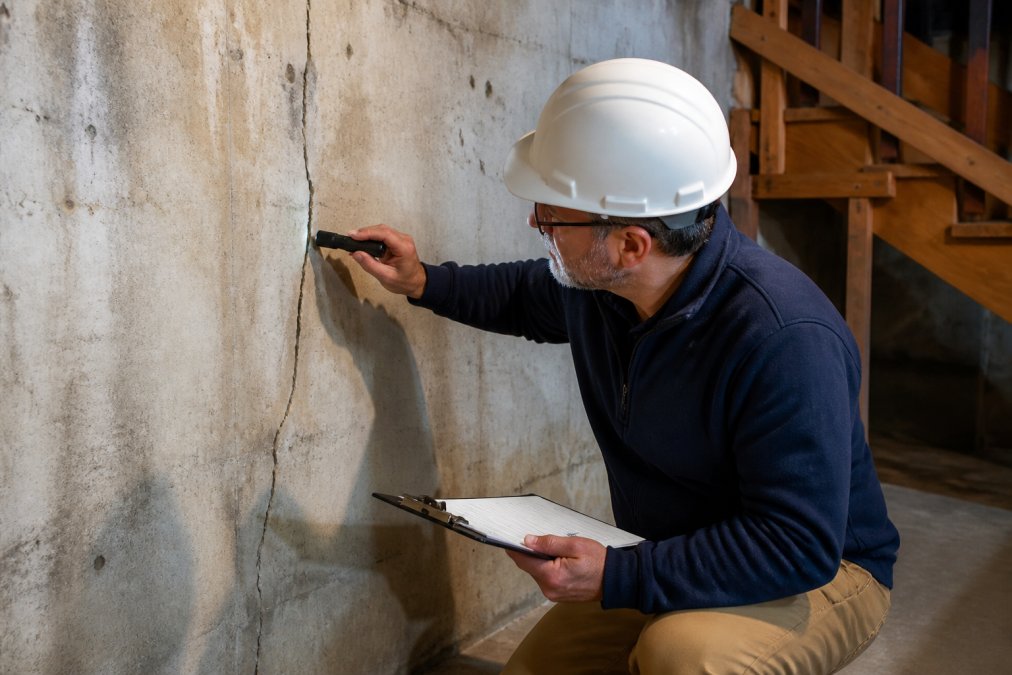
The engineer begins by documenting visible damage. They’ll photograph cracks, measure their width and length, note their orientation, and map their location. They’ll examine foundation walls, slabs, and any visible structural elements. This documentation creates a baseline for comparison if repairs proceed.
They’ll probe beneath surface damage using specialized tools. Concrete testing may include Schmidt hammer testing to assess strength, or core sampling to examine internal condition. For masonry or stone foundations, they’ll inspect mortar condition and unit integrity.
The engineer will evaluate drainage conditions around your building. Poor site drainage often contributes to foundation problems. They’ll note grading, downspout placement, and any evidence of water accumulation against the foundation.
If soil analysis is necessary, the engineer may recommend boring samples to assess soil type, bearing capacity, and moisture conditions. These findings explain why the foundation is failing and inform repair strategy.
The inspection typically takes several hours for a residential property, longer for larger multifamily buildings. The engineer will likely need access to basements, crawl spaces, and exterior foundation areas. They may ask questions about the building’s history, prior repairs, or water intrusion incidents.
After the on-site work, the engineer compiles findings into a written report. This document includes photographs, measurements, damage assessment, root cause analysis, and repair recommendations. The report becomes your reference for contractor communication and permit applications.
Choosing a Qualified Structural Engineer
Not all engineers are equally qualified for foundation work. Selecting the right professional ensures you receive accurate analysis and defensible recommendations.
Verify that the engineer holds a current Professional Engineer (PE) license in California. This license requires specific education, experience, and examination. It’s non-negotiable, unlicensed individuals cannot legally seal engineering documents in California.
Look for engineers with specific foundation repair experience.
The cheapest engineer isn’t always the best value. The engineer whose analysis is most thorough and whose recommendations prove most accurate saves you money on repairs by eliminating unnecessary work and preventing costly oversights.
Decoding Your Engineering Report and Repair Plan
The structural engineer’s report can seem dense and technical. Learning to read it helps you understand the problem and communicate effectively with contractors.
Key Considerations for California Properties
California’s regulatory environment adds complexity to foundation repair decisions. Building codes, seismic considerations, and specific regional soil conditions all influence what repairs are necessary and how they must be designed.
Frequently Asked Questions
Do you need a structural engineer for foundation repair?
Yes, a structural engineer is necessary when foundation damage affects the load-bearing capacity of your home or building. If you notice signs like significant cracking, uneven settling, or bowing walls, a structural assessment is essential. Building codes and permit requirements often mandate an engineer’s stamp on repair plans. An independent inspection protects you legally and ensures repairs address the root cause, not just surface symptoms.
How much does a structural engineer usually cost for a foundation inspection?
Inspection costs vary based on property size, foundation type, and damage severity. Factors affecting pricing include travel distance, complexity of the structural assessment, and whether soil analysis or geotechnical reports are needed. Contact local structural engineers for a detailed quote. The inspection fee is typically a fraction of potential repair costs, investing in professional assessment now prevents expensive mistakes later.
What is the difference between a foundation contractor and a structural engineer?
A foundation contractor performs the actual repair work, while a structural engineer designs the repair plan and verifies structural integrity. Engineers are licensed professionals who analyze foundation failure causes, soil conditions, and load-bearing requirements. They issue engineering seals required by building codes. Contractors execute the work, mudjacking, underpinning, or leveling. You need both: the engineer to design a safe solution, the contractor to build it correctly.
What are common signs that your foundation needs a structural engineer’s evaluation?
Watch for diagonal cracking in walls, gaps between walls and floors, doors or windows that stick, uneven floors, or water intrusion patterns. Bowing or heaving foundation walls indicate serious structural problems. Foundation settlement or movement affecting multiple rooms suggests widespread issues. If you notice these signs, schedule an independent inspection. Early detection of foundation failure prevents catastrophic structural damage and costly repairs down the road.