7 Steps to Choose a Qualified Balcony Inspector
Learn how to hire a qualified balcony inspector who meets SB 326 and SB 721 requirements. Verify credentials, check insurance, and avoid unqualified.
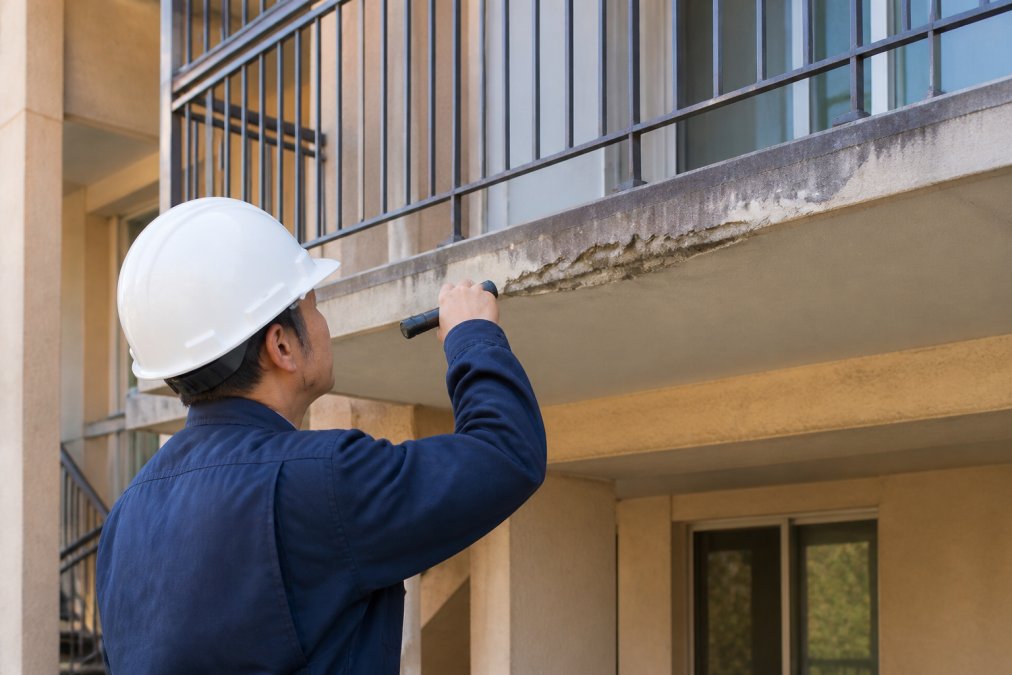
Table of Contents
- Step 1: Verify the Inspector Holds a Current Professional License
- Step 2: Confirm SB 326 Inspection Requirements and Statutory Authority
- Step 3: Check Independence From Repair and Construction Services
- Step 4: How to Verify Inspector Credentials and Professional Standing
- Step 5: Confirm Liability Insurance and Bonding Coverage
- Step 6: Request References and Review Past Inspection Reports
- Step 7: Understand Balcony Inspection Cost Estimates and Scope
- Red Flags That Signal an Unqualified Inspector
Last Updated: August 24, 2026
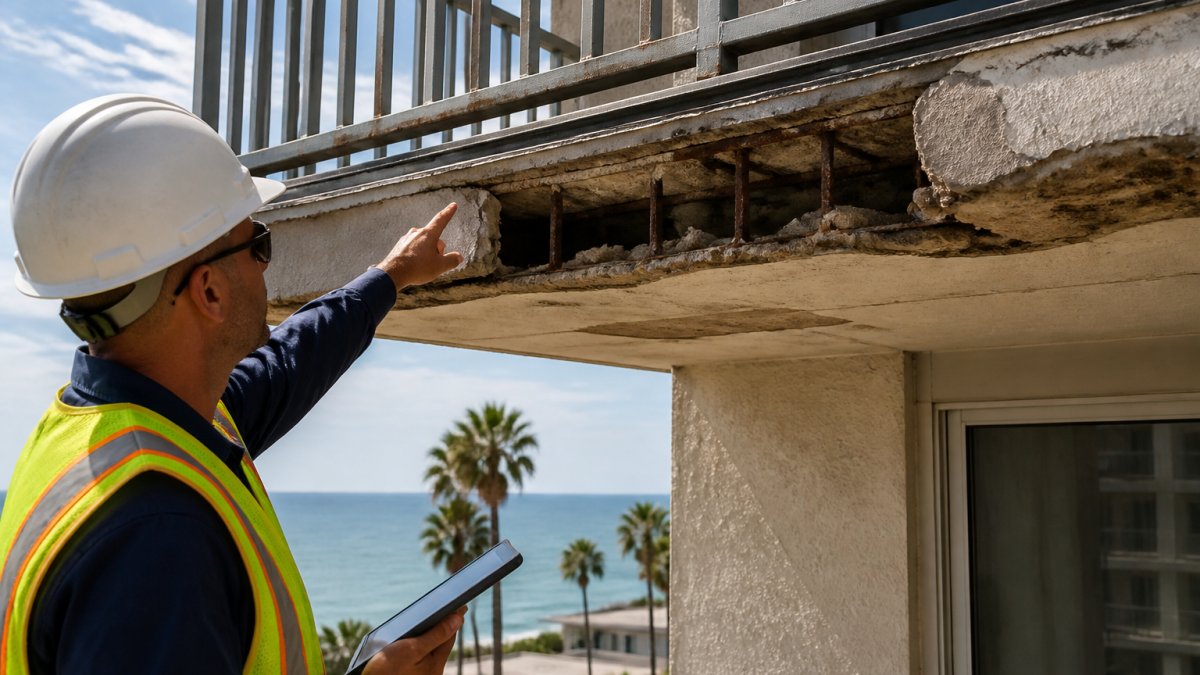
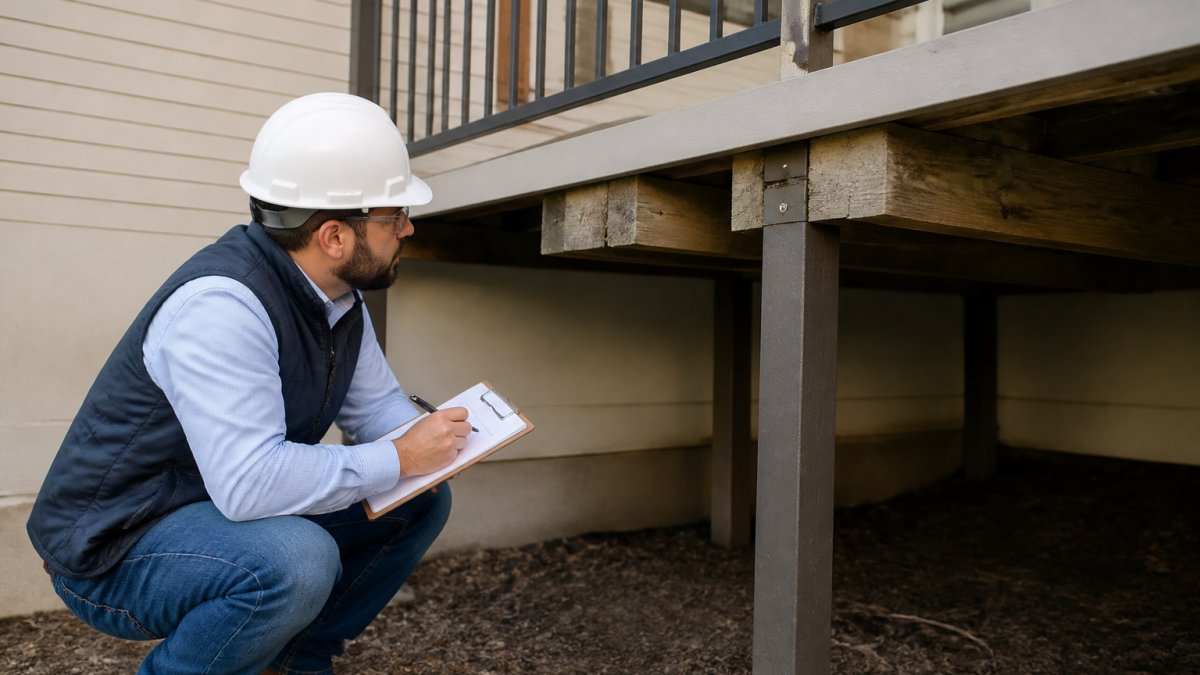
Choosing the wrong balcony inspector can cost you thousands in unnecessary repairs, expose your property to liability, or leave you vulnerable to regulatory fines. A qualified balcony inspector is a licensed professional trained to spot structural failure before it becomes a tragedy. This guide from Apex Balcony walks you through the 7 steps to vet a qualified balcony inspector, so you can protect your residents and your assets.
Balcony collapses have killed residents and exposed property owners to lawsuits, criminal charges, and massive remediation costs. Yet many property managers hire inspectors based on price alone or assume any licensed contractor can assess structural integrity. They can’t. Your qualified balcony inspector needs specific credentials, independence from repair services, and deep knowledge of California’s SB 326 and SB 721 requirements.
Below, we’ll show you exactly how to evaluate an inspector’s qualifications, verify their credentials, and identify red flags that signal an amateur.
Step 1: Verify the Inspector Holds a Current Professional License
Your qualified balcony inspector must hold an active, current professional license. In California, balcony inspections require either a Structural Engineer (SE) license or a Professional Engineer (PE) license with structural expertise. Some jurisdictions also accept Certified Building Inspectors with specific training in exterior elevated elements.
Don’t assume a contractor license is enough. General contractors and handymen lack the structural engineering background required for balcony assessment. A licensed structural engineer has passed the Fundamentals of Engineering (FE) exam, completed years of apprenticeship under a licensed engineer, passed the Professional Engineer exam, and maintains continuing education requirements. This credential chain matters because balcony inspection involves calculating load-bearing capacity, assessing fastener integrity, and evaluating waterproofing systems.
Ask the inspector directly: "What is your professional license type, and what is your license number?" Then verify it immediately. California’s Professional Engineers board maintains a searchable database at California Professional Engineers Board. Enter the license number and confirm three things: the license is active (not expired or suspended), the license type matches structural engineering or PE, and any disciplinary actions are noted and explained. Verification takes five minutes and eliminates your first major risk.
Step 2: Confirm SB 326 Inspection Requirements and Statutory Authority
Before you hire anyone, clarify which law applies to your property: SB 326 or SB 721. This determines what the inspector must evaluate and how thorough the inspection must be.
SB 326 applies to residential buildings with three or more units constructed before January 1, 2008. It requires inspections of exterior elevated elements (EEE), balconies, decks, stairs, walkways, and railings every six years, including visual assessment of structural integrity, waterproofing, fasteners, and load-bearing components.
SB 721 applies to residential buildings with three or more units regardless of age and requires more comprehensive structural analysis by a licensed structural engineer or architect. SB 721 inspections include both visual and invasive testing (core sampling, fastener testing, moisture detection) every six years.
Your qualified balcony inspector should immediately tell you which law governs your property based on its construction date and unit count. If they hedge or seem uncertain, that’s a red flag. They should also explain the statutory timeline and when your next inspection is due. Ask: "Which statute applies to my property, and what does that mean for the scope of this inspection?" Their answer should be specific and reference the California Building Code sections that mandate the work.
Step 3: Check Independence From Repair and Construction Services
A qualified balcony inspector must be independent from any repair, construction, or remediation services. If the same company that inspects your balconies also bids on repairs, they have financial incentive to over-report damage or recommend unnecessary work.
An inspector who also does repairs faces a perverse incentive: they profit when they find more damage, recommend more invasive testing, or suggest replacing components that might be repairable. Even with the best intentions, this creates bias.
Your qualified balcony inspector should be a standalone firm or a division that operates independently from construction services. Ask directly: "Does your company perform any repair, construction, or remediation work on balconies, decks, or exterior elements?" Listen for any hesitation or qualifier. "We have a sister company" or "We can refer you to contractors" is not independence.
The best inspectors will tell you they perform inspections only and have no financial relationship with repair contractors. This separation protects you because their only incentive is to deliver an accurate, thorough assessment.
Step 4: How to Verify Inspector Credentials and Professional Standing
Once you’ve confirmed licensure and independence, dig deeper into the inspector’s background. A current license is necessary but not sufficient.

Ask for proof of continuing education in balcony and exterior element inspection. California requires licensed engineers to complete 36 hours of continuing education every two years (pels.ca.gov). Some should be specific to balcony assessment, waterproofing, or structural forensics. An inspector who hasn’t taken specialized training in balcony inspection in the last five years is operating on outdated knowledge.
Request references from recent inspections, specifically buildings with similar age, construction type, and unit count to yours. A qualified balcony inspector should provide three to five references from the last 12 months. Call those references and ask: Did the inspection feel thorough? Did the report clearly explain findings? Did the inspector answer questions?
Check whether the inspector is a member of professional organizations like the American Society of Civil Engineers (ASCE), the Structural Engineers Association of California (SEAC), or the American Institute of Architects (AIA). Membership signals commitment to professional standards and ongoing education.
Search for any disciplinary history on the state licensing board, Better Business Bureau, and court records. An inspector with multiple complaints about missed structural damage or incomplete reports is a liability you don’t need.
Ask about their experience with SB 326 and SB 721 specifically. How many inspections have they completed under these statutes? A qualified balcony inspector should have completed at least 50-100 inspections under these laws.
Step 5: Confirm Liability Insurance and Bonding Coverage
Your qualified balcony inspector must carry professional liability insurance and errors and omissions coverage. This protects you if their inspection misses a defect or their report is inaccurate.
Ask the inspector for a Certificate of Insurance showing professional liability coverage of at least $1 million per occurrence and $2 million aggregate. Verify that the insurance is active by contacting the insurance company directly. Inspectors sometimes carry expired policies or inflated coverage limits on paper.
Ask whether the inspector carries bonding. A performance bond guarantees that the inspector will complete the work as contracted and that the report will meet statutory requirements. It’s a sign of professional commitment and financial stability.
Professional liability typically covers errors in the inspection or report. If the inspector’s report is later challenged or disputed, you want to know they have insurance backing their work.
Step 6: Request References and Review Past Inspection Reports
References are where theory meets reality. A qualified balcony inspector’s past work tells you whether they deliver thorough, clear, actionable reports.
Request at least three references from buildings inspected in the last 12 months. Call the references and ask: Did the inspector arrive on time and complete the work as scheduled? Was the inspection thorough? Did they test fasteners, probe for moisture, assess waterproofing? Was the final report clear and easy to understand? Would you hire them again?
Ask the inspector for a sample inspection report (with the property owner’s permission). Review it for clarity, specificity, and actionability. A good report includes:
- A clear summary of findings organized by building system (balcony structure, railings, waterproofing, fasteners)
- Photographs showing specific defects
- Condition ratings with definitions
- Recommendations for repair or further evaluation
- A timeline for addressing issues
- References to applicable building codes and statutory requirements
A vague report that says "Balconies are in fair condition and may need repairs" is useless. A qualified balcony inspector produces reports that specify defects, testing results, and clear next steps.
Step 7: Understand Balcony Inspection Cost Estimates and Scope
Before signing a contract, understand what you’re paying for and what’s included in the inspection scope.
A qualified balcony inspector should provide a written estimate that breaks down the scope of work, including:
- Number of balconies to be inspected
- Type of inspection (visual only vs. visual plus invasive testing)
- Specific testing methods (fastener testing, moisture detection, core sampling)
- Timeline for completing the inspection
- Deliverables (written report, photographs, recommendations)
- Any additional costs for rush timelines
Ask whether the estimate includes site visits, testing, report generation, and follow-up consultation. Clarify upfront.
Understand that thorough inspection costs more than a cursory walk-around. If an estimate seems unusually low, ask what’s being cut. A qualified balcony inspector won’t compromise on thoroughness to meet a price point.
Ask about post-inspection support. Will the inspector attend your board meeting to present findings? Will they answer questions from residents or contractors? A qualified balcony inspector treats the report as the beginning of a conversation, not the end of a transaction.
Red Flags That Signal an Unqualified Inspector
These red flags indicate an inspector who isn’t qualified, isn’t independent, or isn’t trustworthy.
They can’t clearly explain which statute applies to your property. A qualified balcony inspector knows SB 326 and SB 721 inside out. Confusion about which law governs your building is disqualifying.
They pressure you to decide quickly or offer a "special discount" for immediate booking. Legitimate inspectors are booked weeks or months in advance. Pressure tactics signal desperation or a scam.
They offer to perform both inspection and repair work. This is a conflict of interest. Avoid this arrangement.
They can’t produce a current professional license or insurance certificate. This is disqualifying. If they hesitate or say "I’ll send it later," they don’t have it.
They’ve never heard of SB 326 or SB 721. These laws have been in effect for years and are foundational to balcony inspection work in California.
They recommend replacing components without explaining why. A qualified balcony inspector explains their findings and recommendations clearly.
Their references are vague or hard to reach. Good work generates enthusiastic references.
They dismiss your questions or seem annoyed by your vetting process. A qualified balcony inspector welcomes scrutiny.
They provide a verbal estimate instead of a written one. Everything should be in writing.
They’ve never conducted an inspection under SB 326 or SB 721. Hire someone with proven experience.
| Verification Step | What to Check | Red Flag |
|---|---|---|
| Professional License | Current SE or PE license via state board | License expired, suspended, or missing |
| Statutory Knowledge | Clear explanation of SB 326 vs. SB 721 | Confusion about which law applies |
| Independence | No repair or construction services | Same company does inspection and repairs |
| Credentials | Continuing education, professional memberships, past experience | Limited balcony-specific training or experience |
| Insurance | Professional liability $1M+, current certificate | Can’t produce proof or coverage is expired |
| References | Three recent projects, enthusiastic feedback | Vague references or hard to reach |
| Estimate | Written scope, timeline, cost breakdown | Verbal estimate or unusually low price |
| Communication | Answers questions clearly, welcomes vetting | Defensive, dismissive, or rushed |
A qualified balcony inspector is your first line of defense against structural failure, liability, and regulatory violations. Taking time to vet them properly, verifying licenses, checking independence, confirming insurance, and reviewing past work, is an investment in your residents’ safety and your property’s compliance.
The seven steps above aren’t bureaucratic overhead. They’re the difference between hiring a professional who delivers an accurate, actionable assessment and hiring someone who cuts corners or misses defects.
Your residents deserve a safe building. Your board deserves peace of mind. Apex Balcony has helped hundreds of building owners navigate this process and ensure their properties meet California’s balcony safety standards. California’s SB 326 and SB 721 regulations establish clear requirements for inspection frequency, scope, and documentation. A qualified inspector knows these rules and applies them rigorously to protect your property.
When you’re ready to move forward, contact Apex Balcony for a free consultation. Our licensed inspectors will evaluate your property, clarify which statute applies, explain the inspection scope, and answer your questions, all before you commit to any cost. Book your inspection today and take control of your building’s structural integrity and compliance.
Frequently Asked Questions
What does a balcony inspection consist of under SB 326 and SB 721?
A qualified balcony inspection examines all exterior elevated elements including load-bearing components, fasteners, railings, and waterproofing systems. Inspectors assess structural integrity, identify corrosion, dry rot, cracking, and sagging. They evaluate building codes compliance and safety protocols. The inspection produces a detailed report documenting condition, life expectancy, required repairs, and maintenance recommendations. A thorough inspection may include visual assessment, invasive testing where appropriate, and evaluation of the building envelope to ensure resident safety.
Who is legally qualified to perform a balcony inspection in California?
California law requires SB 326 and SB 721 inspections to be conducted by a licensed professional engineer, architect, or certified building inspector with expertise in structural analysis. The inspector must be independent from any repair or construction services. They must hold current professional credentials, maintain liability insurance, and provide certification of completion. Hiring a generalist home inspector or contractor without specialized structural expertise violates statutory requirements and puts your property at legal and safety risk.
How do I verify a balcony inspector's credentials and professional standing?
Request proof of current professional licensure and verify it directly with the California Department of Consumer Affairs or the relevant licensing board. Ask for references from recent inspections and contact those property managers to confirm quality and compliance. Request a certificate of insurance showing liability coverage and bonding. Confirm the inspector holds no financial interest in repair companies. Ask which standards and building codes they follow. Check whether they've completed specialized training in SB 326 and SB 721 requirements and can explain their inspection methodology clearly.
What are the red flags that indicate an unqualified balcony inspector?
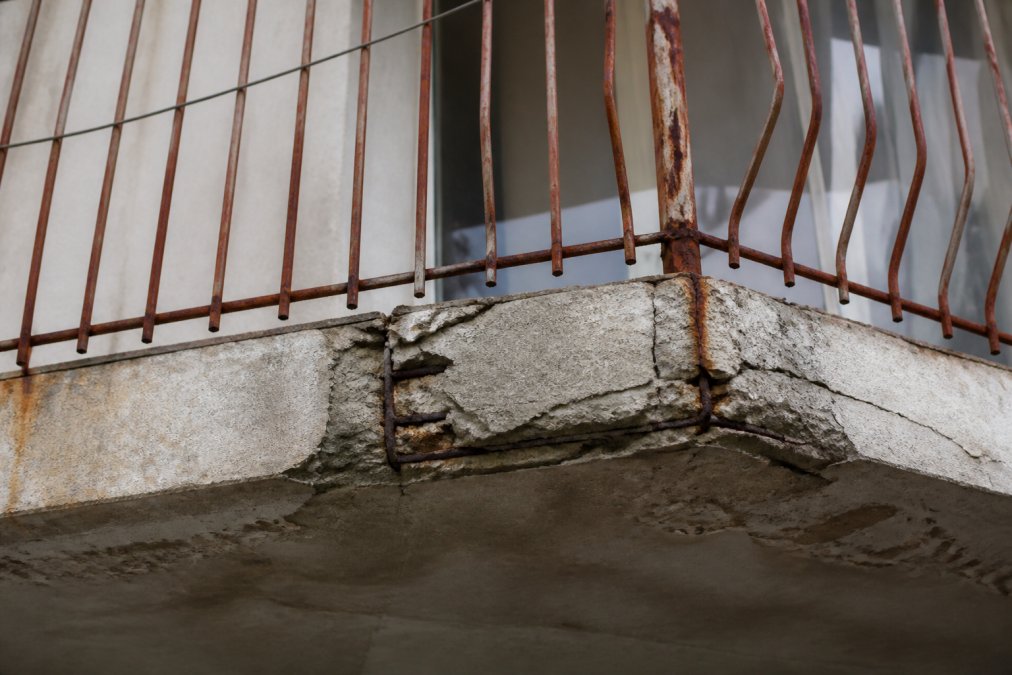
Avoid inspectors who cannot produce current professional licenses, refuse to provide insurance documentation, or claim they don't need liability coverage. Red flags include offering quotes that seem unusually low, pressure to hire their repair company, inability to explain SB 326 or SB 721 requirements, lack of references from recent inspections, or unwillingness to conduct invasive testing when structural concerns exist. Unqualified inspectors may minimize visible damage, avoid detailed documentation, or provide vague reports lacking specific repair recommendations. Trust your instinct if an inspector cannot clearly explain their qualifications or inspection process.