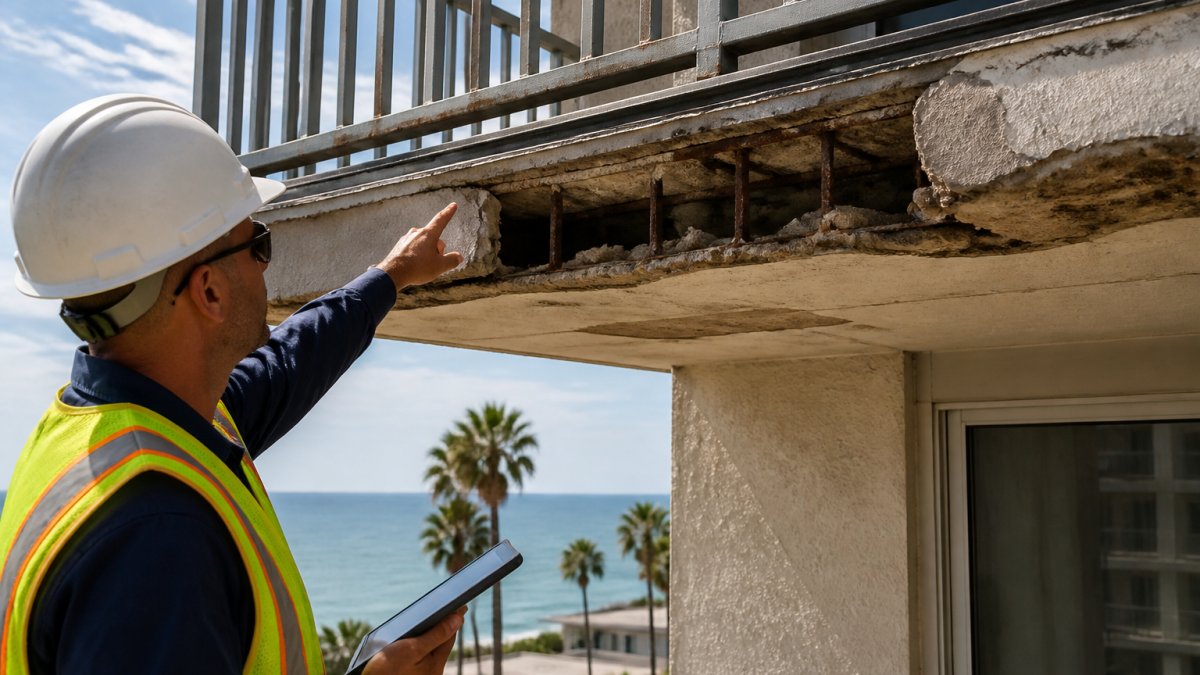
What to Do If Your HOA Board Ignores Balcony Safety
HOA ignores balcony safety: Your HOA board won’t address balcony safety warnings? Learn the legal steps, escalation process, and how to protect residents.
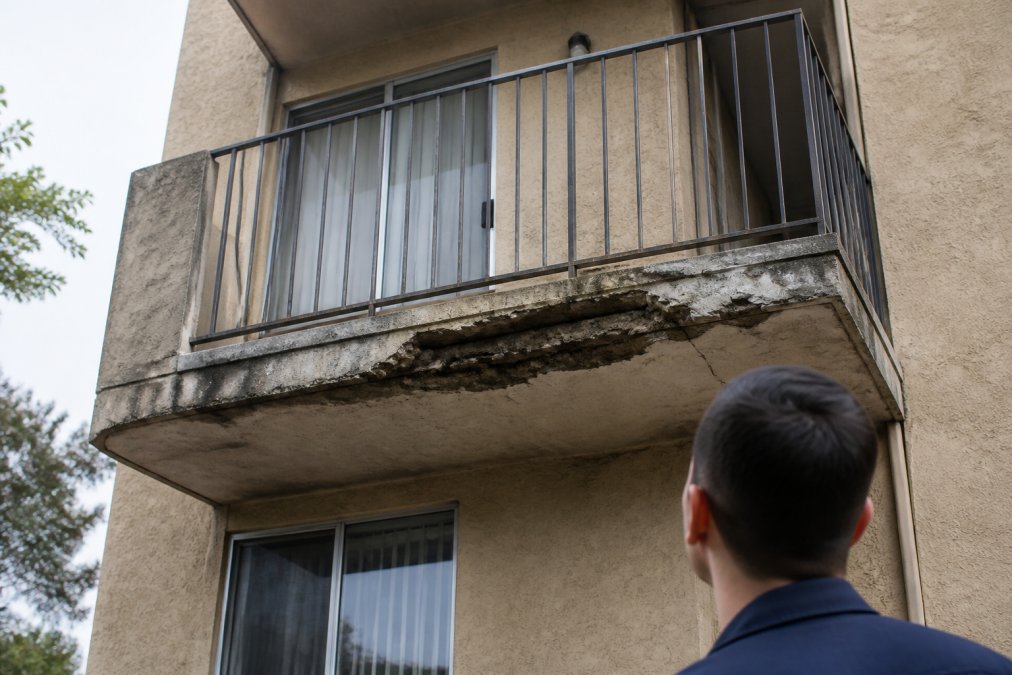
Table of Contents
- Understanding HOA vs. Homeowner Responsibility for Balcony Safety
- SB 326 Balcony Inspection Requirements and Your Board’s Legal Obligations
- Documenting Safety Hazards and Maintenance Requests in Writing
- Drafting a Sample Letter to HOA Board Regarding Safety Hazards
- Steps to Take When the Board Continues to Ignore Safety Concerns
- Legal Recourse: When to Consult an Attorney
- Organizing a Homeowner Coalition for Collective Action
- Frequently Asked Questions
Last Updated: September 17, 2026
Understanding HOA vs. Homeowner Responsibility for Balcony Safety
Your HOA board has clear legal duties when it comes to balcony safety. Understanding where those obligations end and your rights begin is the first step toward getting action when the HOA ignores balcony safety warnings.
Most homeowners assume the board will handle everything. That’s partly true, but only for common areas. A balcony attached to your unit often falls into a gray zone. Some buildings treat balconies as common elements. Others classify them as part of your individual unit. The answer depends on your CC&Rs (Covenants, Conditions, and Restrictions) and state law.
Here’s what matters: even if your balcony is technically your responsibility, the board still has a fiduciary duty to maintain structural integrity across the entire building. Water intrusion, rot, and decay don’t stay in one unit. They spread. A failing balcony on the third floor can damage units below it. That makes balcony safety a shared concern.
The board’s legal obligation is to enforce the bylaws, maintain common areas, and protect residents from life-safety hazards. If the board knows about a structural problem and does nothing, they’re exposing the building to liability. And they’re exposing themselves personally.
SB 326 Balcony Inspection Requirements and Your Board’s Legal Obligations
California law doesn’t leave this to chance. Two statutes govern balcony safety: SB 326 and SB 721. Both create mandatory inspection timelines and reporting requirements. Both shift liability if the board ignores them.
What SB 326 Requires
SB 326 applies to residential buildings with three or more units. It requires the board to conduct visual inspections of all elevated exterior elements, balconies, decks, stairs, and railings, every nine years.
The inspection must be performed by a licensed structural engineer or architect. Not an in-house maintenance person. Not a contractor who’s “done this before.” A licensed professional.
Once the inspection is complete, the board must provide a written report to all residents. The report must detail findings, recommended repairs, and timelines. The board cannot hide problems or minimize them in the report.
If the inspection finds structural issues, the board must take action. They can’t ignore recommendations. They can’t delay repairs indefinitely. State law requires remediation within a specific timeframe based on the severity of the hazard.
What SB 721 Requires
SB 721 is stricter. It applies to any residential building with three or more units and requires inspections of exterior elevated elements every six years, not nine (Bill Text).
SB 721 also requires the board to maintain a reserve fund specifically for balcony repairs and maintenance. This isn’t optional. It’s a legal requirement. The board must set aside money to pay for the repairs the inspection identifies.
If the board hasn’t done a recent inspection under either law, that’s a violation.
This is where your use begins.
Documenting Safety Hazards and Maintenance Requests in Writing
The board ignores verbal complaints. They file them away mentally and move on. Written documentation is different. It creates a paper trail.
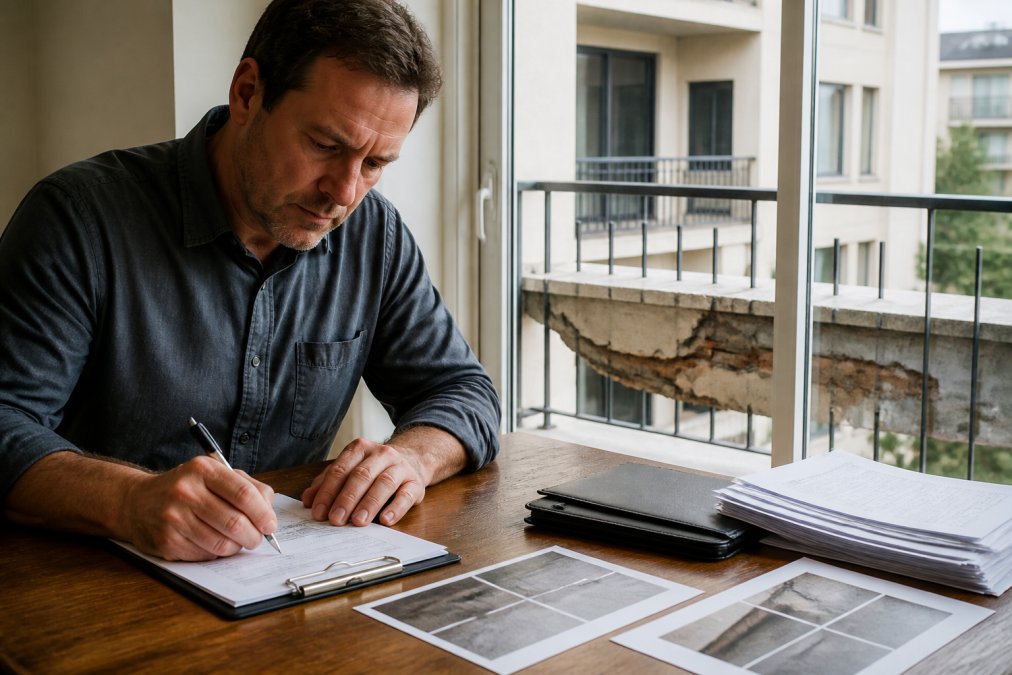
- The exact location of the hazard
- What you observed and when
- Photos or video attached
- A request for inspection and repair
- A deadline for response (typically 30 days)
Drafting a Sample Letter to HOA Board Regarding Safety Hazards
A formal letter carries weight. It signals you’re serious. It also creates a legal record the board can’t ignore.
Key Elements Your Letter Must Include
Your letter needs specific components to be effective:
- Date and recipient details, Address it to the board president and the community manager
- Clear description of the hazard, Be specific. “Balcony railing is corroded” is better than “the balcony looks bad”
- Location, Unit number, which balcony, which section
- Your observations, What you saw, when you saw it, how long it’s been there
- Reference to CC&Rs or bylaws, Show the board you know their obligations
- Request for action, Inspection, repair estimate, timeline
- Deadline, Give them 30 days to respond
- Your contact information, Make it easy for them to reach you
Template Framework
Here’s a framework you can adapt:
[Your Name]
[Your Address and Unit Number]
[Date]
[Board President Name]
[Community Manager Name]
[HOA Address]
Dear [Board President/Community Manager]:
I am writing to formally notify you of a structural safety concern affecting my balcony at [specific address and unit number]. On [date], I observed [specific hazard: rot, cracks, rust, water damage, etc.] on the [describe location: railing, deck surface, support beam, etc.].
I request that the board:
- Schedule a professional structural inspection within 30 days
- Provide a written inspection report to all affected residents
- Develop a remediation plan with a specific timeline
- Communicate the plan to residents
Sincerely,
[Your Signature]
[Your Printed Name]
Steps to Take When the Board Continues to Ignore Safety Concerns
When the HOA ignores balcony safety and doesn’t respond to your letter, or responds but takes no action, you have options. Each step escalates the pressure.
Step 1: Send a Written Demand Letter
This is different from your initial request. A demand letter is more formal and often comes from an attorney or legal service. It states the board is in violation of state law and gives them a final deadline to act.
A demand letter typically:
- Cites the specific statute (SB 326 or SB 721)
- Lists the board’s obligations
- States the board is in breach of fiduciary duty
- Demands action by a specific date (often 15 days)
- Warns of legal consequences if they don’t comply
Step 2: Request the CC&Rs and Bylaws
If you haven’t already, request a copy of your building’s CC&Rs and bylaws. The board must provide these. They contain the board’s specific obligations regarding maintenance and common areas.
Review them carefully. Look for:
- Definitions of common areas vs. individual unit responsibility
- Board maintenance obligations
- Reserve fund requirements
- Timeline for responding to maintenance requests
- Procedures for escalating complaints
Step 3: Hire a Private Balcony Inspector
Don’t wait for the board to hire an inspector. Hire one yourself. A licensed structural engineer can document the hazard independently.
Step 4: File a Complaint with the Building Department
Most jurisdictions have a building department that enforces building codes. If your building violates code, and a failing balcony almost certainly does, the building department can force compliance.
File a complaint with specifics:
- Building address
- Description of the hazard
- When you first reported it to the board
- Evidence the board hasn’t acted (your letters, emails, etc.)
- Request for code enforcement inspection
Step 5: Escalate to Code Enforcement or Local Authorities
If the building department doesn’t act quickly enough, escalate further. Contact your city council member or county supervisor. They can pressure the building department to prioritize your complaint.
You can also file complaints with:
- Your state attorney general’s office (for consumer protection violations)
- Your state’s real estate commissioner (if the building is managed by a professional management company)
- Local news outlets (public pressure works)
Legal Recourse: When to Consult an Attorney
At some point, you may need a lawyer. Here’s when:
- The board has ignored multiple written requests
- The board has acknowledged the hazard but refuses to act
- You’ve filed complaints with the building department and nothing has happened
- You want to force the board to take action through the courts
An attorney can:
- Send a formal demand letter (more weight than one you write)
- File a lawsuit against the board for breach of fiduciary duty
- Seek damages for diminished property value
- Force the board to conduct inspections and make repairs
- In some cases, recover your legal fees from the board
Organizing a Homeowner Coalition for Collective Action
If multiple units are affected, organize other homeowners. A coalition is more powerful than a single complaint.
Start by:
- Identifying other residents with the same concern
- Sharing documentation (photos, inspection reports, letters)
- Organizing a meeting to discuss the issue
- Drafting a collective letter to the board signed by multiple residents
- Coordinating to file complaints simultaneously with the building department
Frequently Asked Questions
What should I do if my HOA board ignores a balcony safety warning from an inspector?
Document the warning in writing immediately, then send a formal demand letter to the board citing the specific safety hazards and relevant building code violations. If the board does not respond within 30 days, file a complaint with your local building department or code enforcement office. You may also hire a private structural engineer to verify the hazard and strengthen your case. If the board continues to ignore the issue, consult an attorney about your legal options, which may include filing a lawsuit for breach of fiduciary duty.
What are SB 326 balcony inspection requirements for California HOAs?
SB 326 requires HOAs managing common area balconies to conduct structural inspections every nine years and document the findings in a written report. The inspection must identify signs of structural failure, water intrusion, rot, decay, and other life-safety hazards. The board must provide copies of the inspection report to homeowners and maintain records of any remedial actions taken. Failure to comply with SB 326 can result in liability for injuries or property damage caused by deferred maintenance.
How do I know if I need to hire a private balcony inspector?
Hire a private balcony inspector if your HOA’s official inspection report is incomplete, if the board refuses to share findings with residents, or if you suspect structural damage that the board’s inspector missed. A licensed structural engineer can provide an independent assessment that holds up in legal proceedings and gives you leverage when demanding repairs. Private inspectors are especially valuable if you are considering legal action or escalating complaints to building authorities.
Can I be held liable if someone is injured on a balcony that the HOA board ignored?
HOA boards have a fiduciary duty to maintain common areas in safe condition. If a board ignores a documented safety hazard and someone is injured, the board and potentially individual board members may face liability. As a homeowner, you are generally not personally liable for board negligence, but you may have grounds to sue the board for breach of duty. Documenting all safety concerns in writing protects you by creating a clear record of the board’s awareness and inaction.