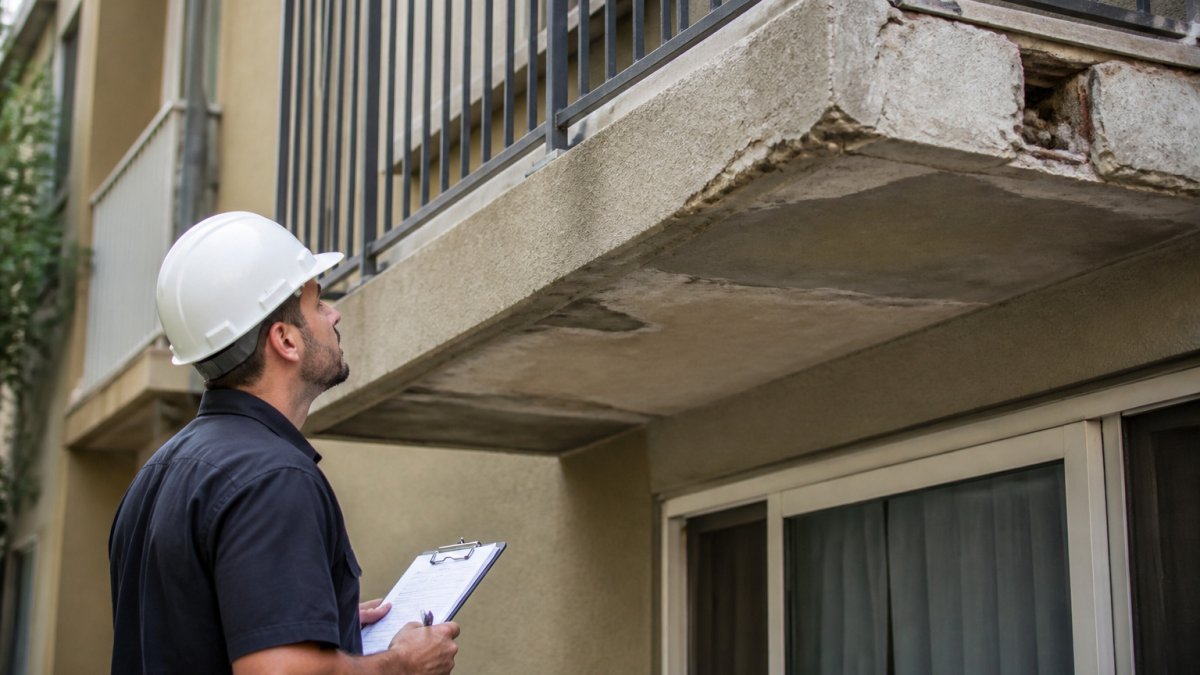
7 Steps to Document Balcony Inspections for SB 326 Compliance
Document balcony inspections SB 326 with our 7-step process. Organize photos, reports, and records to ensure compliance and protect your property.
Last Updated: October 26, 2026
Quick Summary
Document balcony inspections SB 326 by creating inspection reports that record the inspection date, findings, and recommendations, organizing photos with location and date labels, and maintaining clear records of deficiencies and repairs for compliance and future reference.
- SB 326 applies to rental properties and multi-unit buildings, while SB 721 applies to condominiums.
- Inspection reports should include inspection date, findings, recommendations, location-ID scheme, and photo-labeling convention.
- Photos should be labeled with location and inspection date to improve traceability and organization.
- Owners may retain inspection reports, photographs, and repair records for future access and board transitions.
- Specify report structure and photo-labeling conventions in the inspector agreement scope of work.
Table of Contents
- Why Proper Documentation of Balcony Inspections Matters for SB 326
- Understanding SB 326 and SB 721 Inspection Requirements
- SB 326 Balcony Inspection Checklist: What to Document During Your Inspection
- Creating Complete SB 326 Inspection Report Requirements
- Photo and Evidence Standards for SB 326 Compliance Documentation
- SB 326 Inspection Repair Documentation: Tracking Deficiencies to Resolution
- SB 326 Inspection Records Retention and Access Procedures
- Scheduling Your First Compliant Inspection
- Frequently Asked Questions
Why Proper Documentation of Balcony Inspections Matters for SB 326
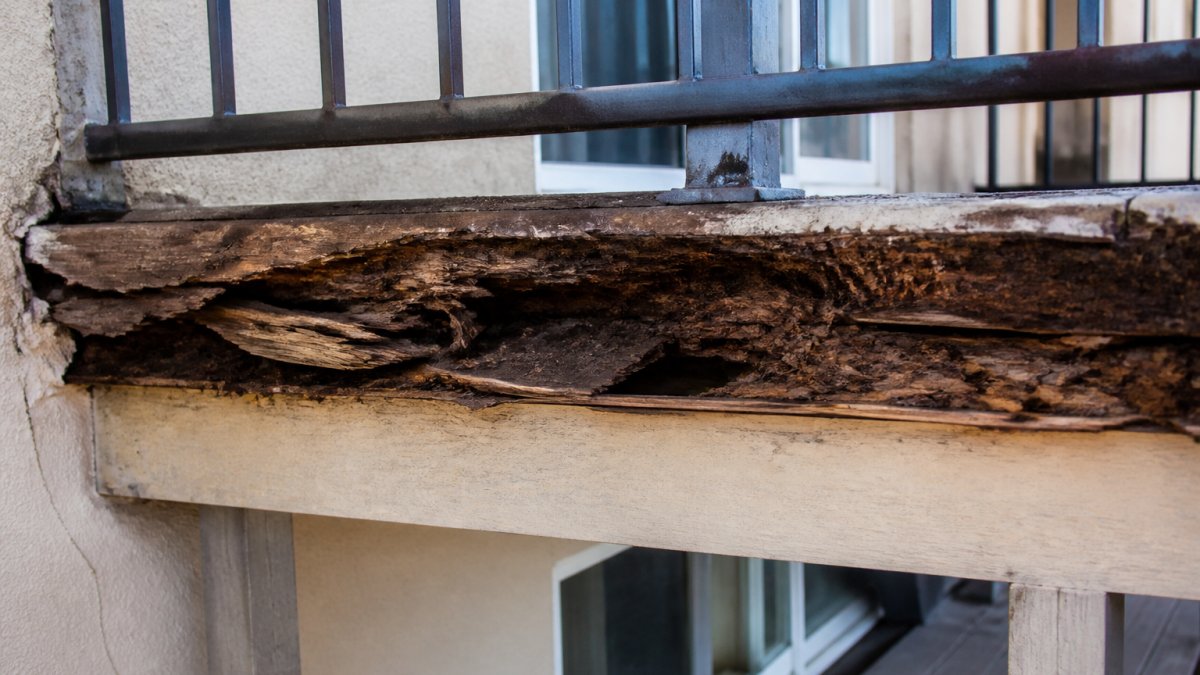
Properly documenting balcony inspections for SB 326 is more than paperwork. The 2015 Berkeley balcony collapse that killed six people and the 2021 Malibu incident underscore the importance of balcony safety.
At Apex Balcony, we’ve worked with hundreds of building owners. Documentation can help organize findings and repairs.
This guide covers documentation for balcony inspections related to SB 326.
Understanding SB 326 and SB 721 Inspection Requirements
The key difference: SB 721 applies to condominiums, while SB 326 applies to rental properties and other multi-unit buildings. Both require periodic inspections and both demand detailed documentation. If you’re unsure which applies to your building, California Building Code Balcony Standards guidance clarifies the distinction and helps you confirm your building’s classification.
Check the current requirements and deadlines that apply to your building with an official California source.
The inspection process includes documenting findings in a report.
SB 326 Balcony Inspection Checklist: What to Document During Your Inspection
Document balcony inspections systematically. A checklist can help organize observations about exterior elevated elements.
Clear, specific descriptions can make inspection findings easier to understand.
A checklist can help organize inspection records.
Creating Complete SB 326 Inspection Report Requirements
An inspection report can be part of your documentation and may be useful when planning repairs.
Minimum contents of a compliant report
An inspection report can record the inspection date, findings, and recommendations.
Traceability can help connect written descriptions, photos, and repair records.
A reusable report template structure
Ask your inspector how the report will present its findings and recommendations.
A clear report structure can help readers follow findings and recommendations.
Acceptance criteria before you accept the report
Review the report to understand its findings and recommendations before relying on it for compliance purposes.
Clear, specific findings can help readers understand the reported condition.
Build the template into your inspector agreement. Specify the report structure, the location-ID scheme, and the photo-labeling convention in the scope of work so the first draft arrives in usable form rather than requiring a rewrite.
SB 326 Inspection Report Best Practices provides state guidance on what complete documentation looks like. Work with your inspector to ensure the report meets that standard before you accept it.
A report can help organize findings for repair planning.
An inspection report should record key information about the inspection and its findings.
| Report Element | Purpose | Note |
|---|---|---|
| Inspection date | Track when inspection occurred | Part of minimum contents |
| Findings | Document observed conditions | Should be clear and specific |
| Recommendations | Guide repair planning | Helps readers understand next steps |
| Location-ID scheme | Organize multiple elements | Specified in scope of work |
| Photo-labeling convention | Connect images to findings | Improves traceability |
Photo and Evidence Standards for SB 326 Compliance Documentation
Photos can help document observed conditions. Consider labeling them with the location and inspection date.
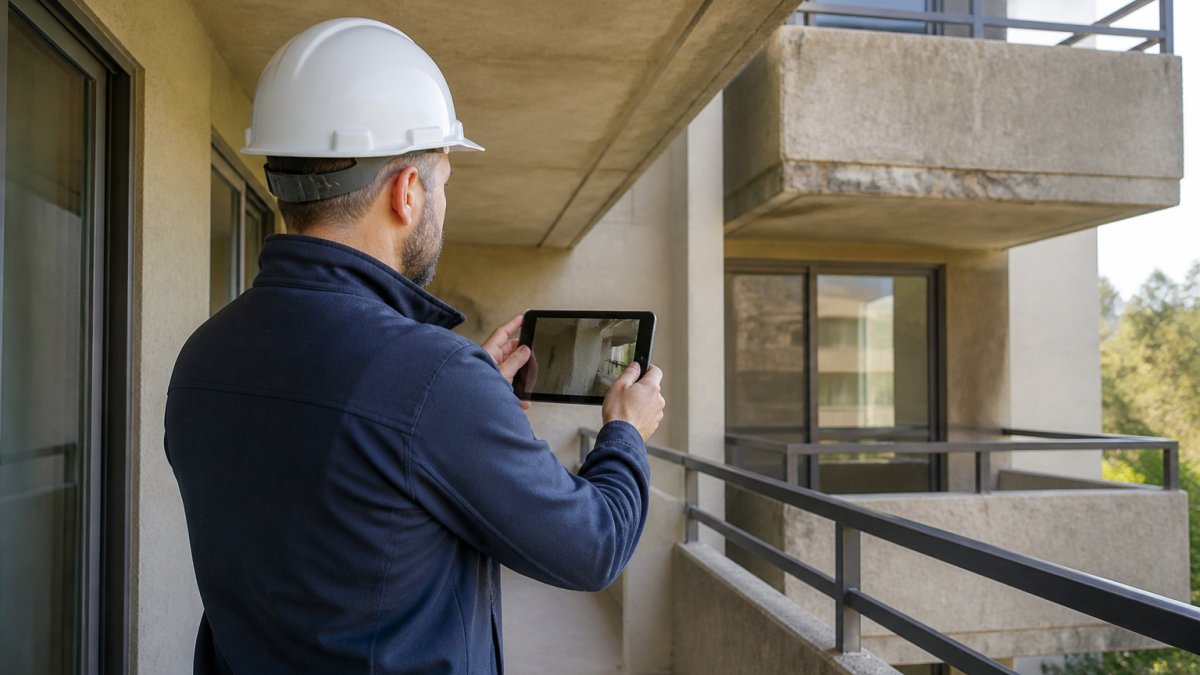
High-quality visual evidence serves as the foundation for audit readiness documentation, ensuring that every structural assessment remains defensible during a formal review.
Photos can show both the condition and its location.
Organizing photos by property and inspection date can make them easier to retrieve.
SB 326 Inspection Repair Documentation: Tracking Deficiencies to Resolution
Owners may choose to keep a record of deficiencies and any related repair activity. Learn how to document balcony repairs for legal compliance so your records withstand scrutiny.
A log can help track repair follow-up.
Repair records can include photos of the work.
For repair documentation, owners can consult qualified professionals about appropriate verification.
How to Document Balcony Repairs for Legal Compliance provides detailed guidance on structuring your repair documentation so it withstands scrutiny.
SB 326 Inspection Records Retention and Access Procedures
Inspection and repair records may be useful when a board turns over or a file is requested. Consider how to retain and organize them.
What to retain
Records owners may choose to retain include inspection reports, photographs, and related repair records.
Retention periods and the distinction between required and recommended
For current record-retention requirements, consult official California sources and association counsel.
A written retention policy can describe how records are handled.
Storage, version control, and security
Owners may establish procedures for storing, organizing, and controlling access to inspection records.
Access log and request procedure
Owners may establish a procedure for handling requests to access records.
Handoff across boards and managers
A handoff packet can help organize inspection records when boards or managers change.
HOAs can establish policies for retaining and accessing inspection records.
Scheduling Your First Compliant Inspection
Check current inspection requirements and deadlines with an official California source.
Apex Balcony’s licensed inspectors provide inspection services for California balcony laws.
When you contact potential inspectors, explain your building’s size, age, and the number of exterior elevated elements that need inspection. Learn how to communicate safety inspection schedules to tenants before scheduling your first inspection. Get a clear proposal that includes the inspection scope, timeline, and what documentation you’ll receive. Discuss photo standards and report format upfront. How to Communicate Safety Inspection Schedules to Tenants walks you through notifying residents about the upcoming inspection and managing access.
Coordinate with residents and property staff about access for the inspection.
Before the inspection, you can note any concerns or areas that may be difficult to access.
After the inspection, review the report and ask for clarification if you have questions about its findings.
Documenting balcony inspections for SB 326 compliance can help organize inspection findings. Apex Balcony has worked with hundreds of building owners. Our licensed inspectors provide inspection services for California balcony laws. Book inspection to discuss your inspection needs.
Frequently Asked Questions
What documents should an HOA keep for an SB 326 balcony inspection?
HOAs may choose to retain inspection reports, photographs, and related repair records. For current retention requirements and access rules, consult official California sources and association counsel.
How often are balcony inspections required under SB 326?
Inspection deadlines and intervals depend on the applicable requirements. Check current California requirements with an official source, and confirm the schedule for your building.
What should an HOA document if an inspection finds a safety issue?
A record of a safety issue can include its location, description, photographs, and any repair recommendations. Consult official California sources or qualified professionals about applicable documentation requirements.
How should photos and repair records be organized for SB 326 compliance?
Organizing photos and repair records by location and inspection date can help keep them accessible. Consult official California sources for current compliance requirements.