Alternatives to Traditional Balcony Wood Sealing
Explore modern alternatives to traditional balcony wood sealing. Compare coatings, membranes, and composite solutions for durability and compliance.
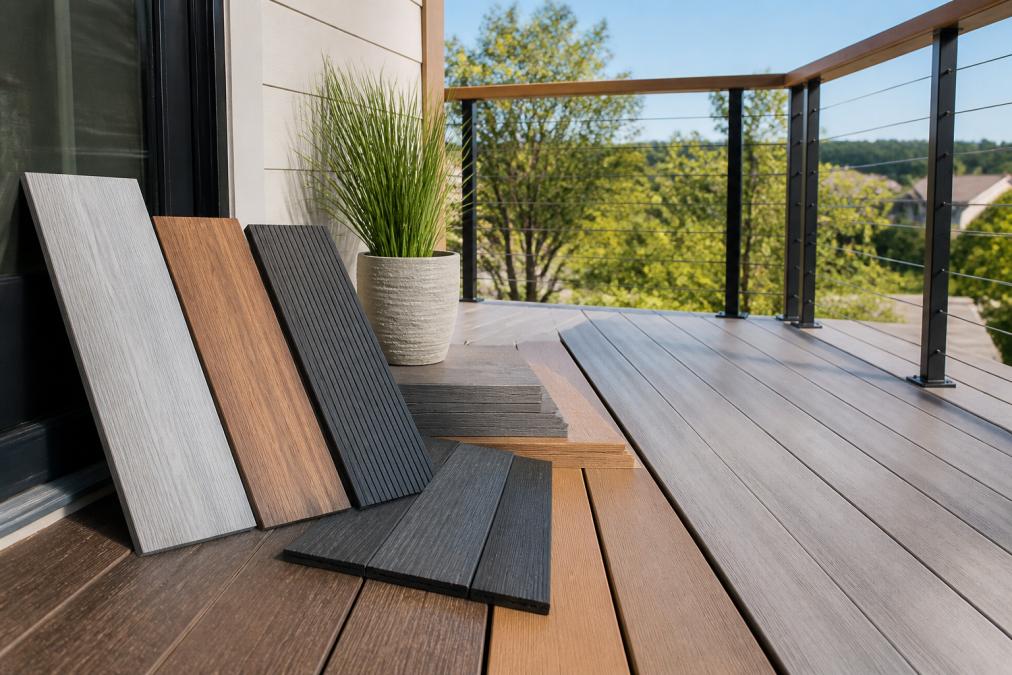
Table of Contents
- Why Property Owners Are Moving Beyond Traditional Wood Sealers
- Liquid Polyurethane Coatings: Film-Forming Protection
- Fiberglass-Reinforced Membrane Systems for Long-Term Durability
- SB 326 Balcony Inspection Requirements and Sealing Standards
- Composite Decking: Eliminating Sealing Altogether
- Maintenance Schedule for Elevated Wood Decks and Alternative Coatings
- Professional Balcony Inspection Services and Material Selection
- Cost-Benefit Analysis: 10-Year Performance and Total Ownership
- Frequently Asked Questions
Last Updated: September 2, 2026
Why Property Owners Are Moving Beyond Traditional Wood Sealers
Traditional wood sealers have dominated balcony maintenance for decades, but property owners increasingly recognize their limitations. Constant reapplication cycles, moisture infiltration failures, and ongoing maintenance costs are pushing building managers toward alternatives to traditional balcony wood sealing that offer superior durability and lower lifetime expenses.
Structural failures linked to inadequate wood protection have made compliance with California’s SB 326 and SB 721 balcony safety mandates non-negotiable. When inspectors identify failing sealers during mandatory inspections, property owners face a choice: retreat with the same approach or invest in solutions designed to prevent the problem entirely.
At Apex Balcony, we’ve worked with hundreds of building owners navigating this decision. Most discover that newer sealing technologies and alternative materials eliminate the annual maintenance treadmill while providing the structural protection California law requires. This guide breaks down the most viable alternatives to traditional balcony wood sealing, comparing their performance, costs, and suitability for different property types.
The real cost of traditional wood sealers isn’t the upfront price, it’s the cumulative expense of repeated applications, failed inspections, and eventual structural repairs. Modern alternatives shift that equation dramatically.
Liquid Polyurethane Coatings: Film-Forming Protection
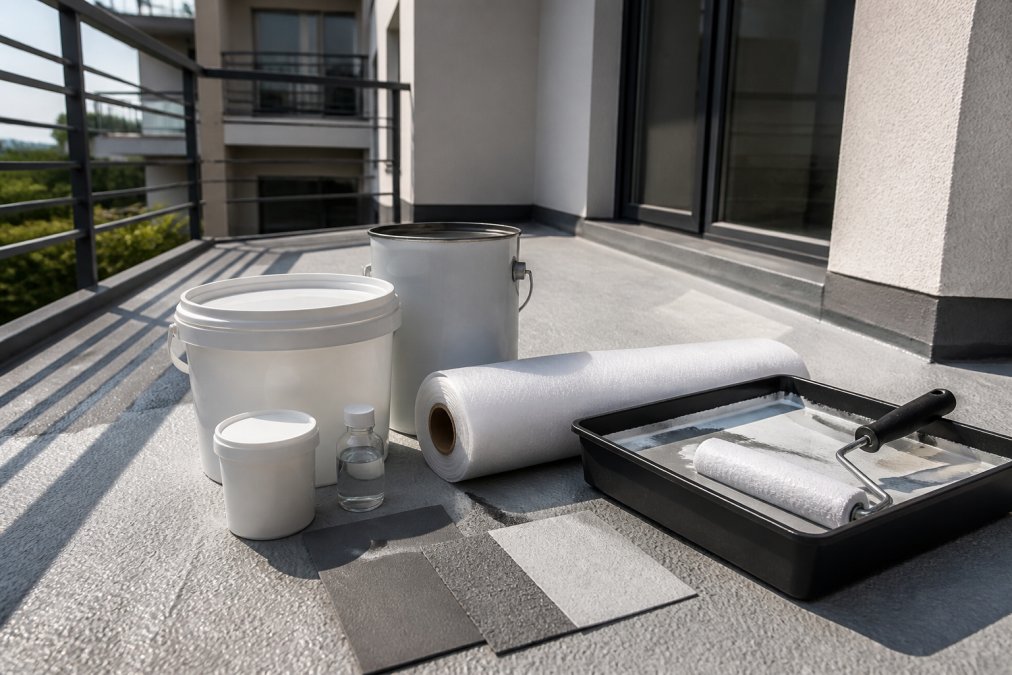
Liquid polyurethane represents the most accessible upgrade from traditional sealers. These film-forming coatings create a continuous waterproof membrane across the deck surface, unlike penetrating sealers that absorb into the wood grain.
Polyurethane bonds to wood, concrete, fiberglass, and vinyl surfaces, forming a flexible protective layer that resists peeling and cracking as the substrate expands and contracts with temperature changes. This flexibility is critical on elevated decks where seasonal movement is constant.
Liquid Rubber Polyurethane Deck Coating exemplifies this category. The product resists UV degradation, and carries low-VOC formulations (the EPA). Coverage typically ranges from 200 to 400 square feet per gallon depending on surface texture.
A typical residential balcony can be coated in a single day with minimal disruption. Unlike fiberglass systems that require professional installation, polyurethane coatings accommodate both DIY and professional application, making it viable for small buildings where hiring contractors for every unit becomes prohibitively expensive.
Surface preparation determines success. Existing sealers must be stripped, wood sanded to bare substrate, and any rot addressed before application. Most failures occur because property managers apply new coating over degraded old sealers rather than properly preparing the surface.
Applying polyurethane over existing failed sealers is the most common mistake. The new coating will fail within 2-3 years. Proper surface stripping is non-negotiable for longevity.
Curing time typically spans 7 to 14 days before the deck is fully usable. Plan application during dry weather windows in spring or fall for optimal results.
Fiberglass-Reinforced Membrane Systems for Long-Term Durability
Fiberglass-reinforced membranes represent a significant step up in durability and structural protection. Systems like Life Deck FM combine fiberglass matting embedded in acrylic coatings to create a reinforced waterproofing layer that prevents water from penetrating small cracks and gaps.
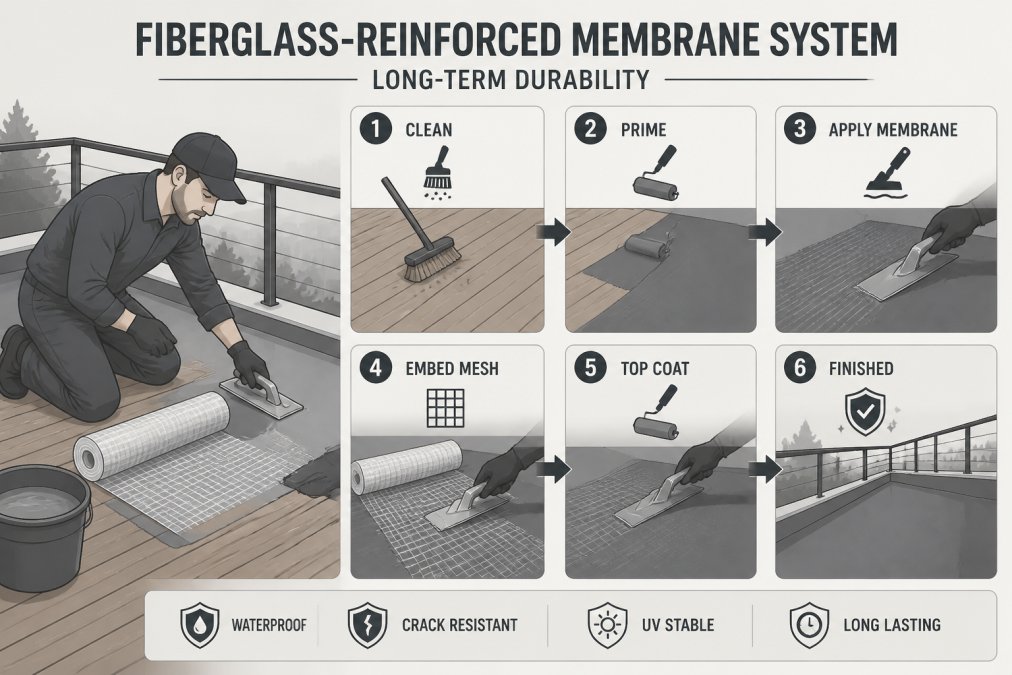
The fiberglass reinforcement adds structural integrity, preventing the membrane from tearing when underlying wood shifts. This is especially valuable in coastal properties where salt spray accelerates wood degradation and temperature swings are extreme.
Lifespan for fiberglass systems extends to 20 years or more, compared to 3-5 years for traditional sealers (astm.org). This longevity shifts the cost calculus dramatically when managing a 50-unit complex. Fewer applications mean less labor, less tenant disruption, and more predictable maintenance budgets.
Installation requires professional expertise. The surface must be properly prepared, the membrane applied in controlled conditions, and curing monitored to ensure adhesion. Contractors typically charge on a per-square-foot basis, with pricing varying by region, surface complexity, and existing damage.
Fiberglass membranes also work well under lightweight concrete overlays, making them compatible with properties planning to add a finished topping layer.
SB 326 Balcony Inspection Requirements and Sealing Standards
California’s SB 326 mandates that residential buildings with three or more units conduct structural inspections of balconies, decks, and exterior stairs every six years. The law emerged from high-profile balcony collapses, including the 2015 Berkeley incident that killed six residents, traced to water damage and wood rot that traditional sealers failed to prevent.
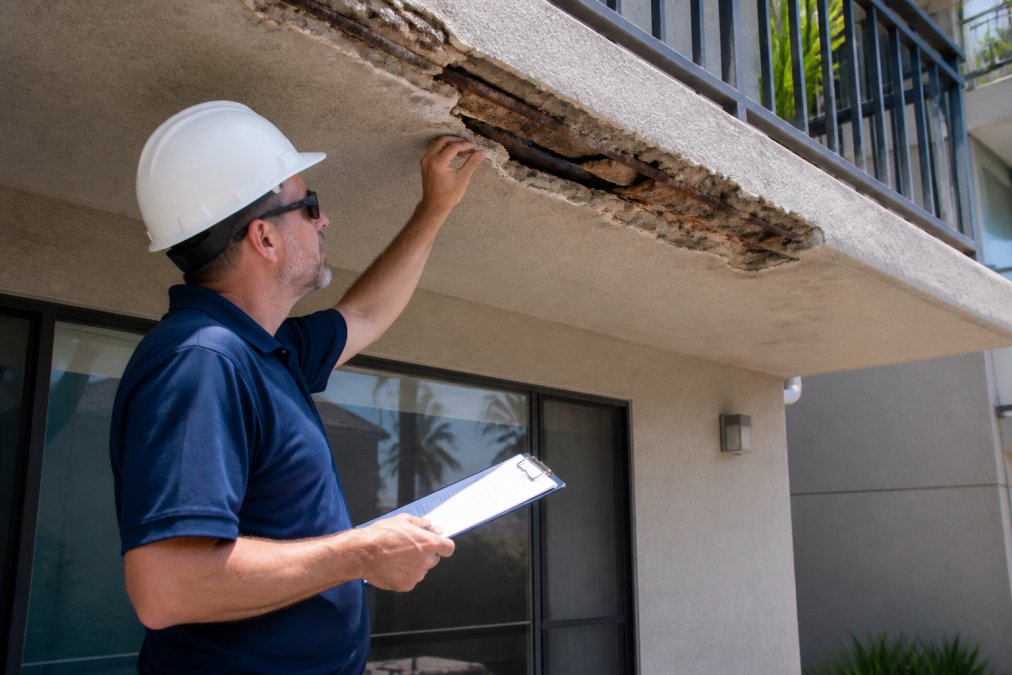
Inspectors evaluate the integrity of structural members, fasteners, connections, and waterproofing systems. A failed sealer is often the first indication of deeper structural problems. When an inspector identifies water penetration, wood rot, or fastener corrosion, the property owner must remediate the issue and submit a follow-up inspection report.
This regulatory framework fundamentally changes the economics of sealing choices. A traditional sealer that fails inspection creates a compliance violation and forces emergency repairs. Modern alternatives to traditional balcony wood sealing that pass inspection the first time avoid these cascade costs.
SB 326 inspections reveal problems that traditional sealers masked. Use the inspection findings to guide your sealing choice, don’t just retreat with the same approach that failed.
SB 721, which applies to multifamily properties, carries similar requirements with slightly different timelines. Both laws treat waterproofing as a structural safety issue, not cosmetic maintenance.
Composite Decking: Eliminating Sealing Altogether
Composite decking offers a fundamentally different approach: eliminate the need for sealing by replacing wood with engineered material. Trex and similar manufacturers produce boards from recycled plastics and wood fibers, creating a product that resists rot, insects, mold, and UV degradation without any protective coating.
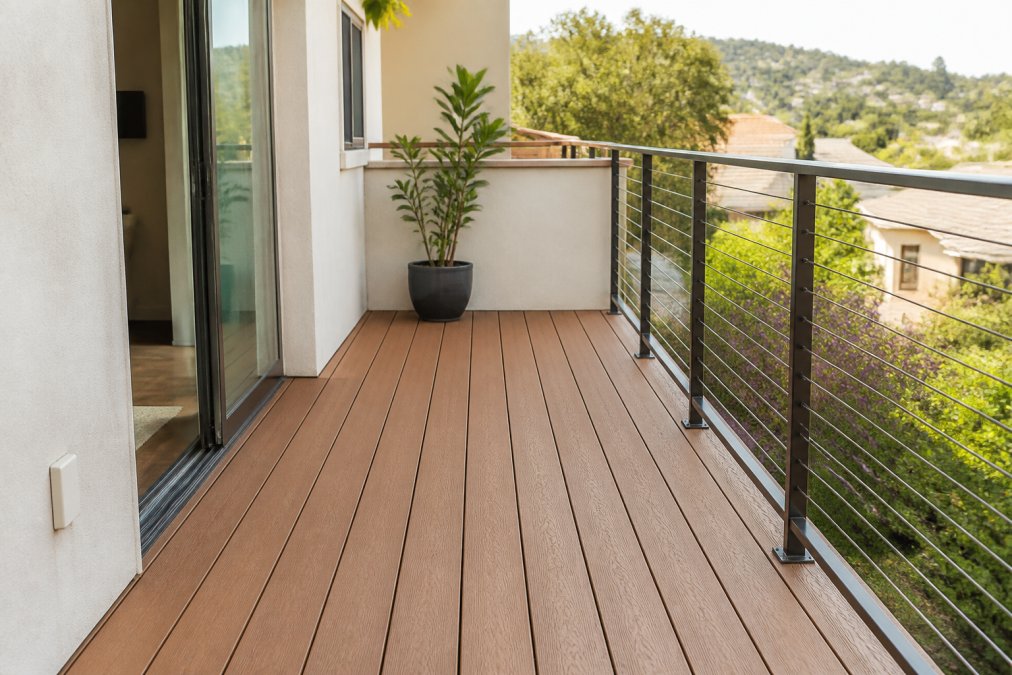
Composite decking requires no annual sealing, no stripping, no reapplication cycles. A simple rinse with a hose removes surface dirt. The material is splinter-free, resistant to staining, and available in multiple colors and finishes that mimic natural wood grain.
For new construction or major renovation projects, composite decking eliminates the sealing problem entirely. The upfront material cost is higher than treated lumber, but the total cost of ownership over 20 years often favors composite because you remove the ongoing maintenance burden and inspection failure risk.
Composite can become hot in direct sunlight and is heavier than wood, which can affect structural load calculations for some balcony designs. Deep scratches and gouges are permanent. For existing wood balconies, replacing the entire deck structure with composite is expensive and disruptive.
However, composite works well for new railings, stairs, and other elevated elements where replacement is already planned. Mixing composite elements with sealed wood creates a hybrid approach that reduces the total area requiring ongoing sealer maintenance.
Maintenance Schedule for Elevated Wood Decks and Alternative Coatings
Understanding maintenance cycles is essential when comparing sealing alternatives. Different systems require different frequencies and effort levels.
Traditional penetrating sealers need reapplication every 2-3 years. For a 50-unit building, this translates to significant labor and coordination costs.
Liquid polyurethane coatings extend the cycle to 5-7 years, reducing reapplication frequency but still requiring periodic maintenance. The coating can be spot-repaired if small areas fail, but large sections typically need complete recoating.
Fiberglass-reinforced membranes shift the paradigm to 15-20 years between major applications. Maintenance becomes inspecting the membrane for damage, addressing any cracks promptly, and cleaning debris. This dramatically reduces the maintenance burden and makes budgeting more predictable.
| Sealing System | Reapplication Frequency | Annual Labor Cost | 10-Year Total Cost | Inspection Risk |
|---|---|---|---|---|
| Traditional Sealer | Every 2-3 years | Moderate | High | High |
| Liquid Polyurethane | Every 5-7 years | Low | Moderate | Moderate |
| Fiberglass Membrane | Every 15-20 years | Low | Low | Low |
| Composite Decking | Never | Minimal | Lowest | Lowest |
Composite decking requires minimal maintenance: annual cleaning and occasional inspection for damage. No sealing, no stripping, no reapplication cycles.
Create a maintenance calendar tied to your sealing system choice. Document every application, inspection, and repair. This record protects you during [SB 326](/balcony-inspections-sb-721-sb-326-guide/) compliance reviews.
Professional Balcony Inspection Services and Material Selection
Selecting the right sealing alternative requires understanding your property’s specific conditions. Climate, exposure, building age, existing damage, and budget constraints all influence the decision.
Professional inspectors evaluate these factors systematically. They identify areas of existing water damage, assess the condition of fasteners and connections, and recommend sealing systems matched to your property’s risk profile.
Apex Balcony’s inspection process begins with a comprehensive structural evaluation. We identify water penetration patterns, wood rot, fastener corrosion, and membrane failures. From this baseline, we recommend sealing alternatives that address the specific vulnerabilities identified in your property.
For coastal properties with salt spray exposure, fiberglass membranes or liquid polyurethane offer better protection than traditional sealers. For inland properties with moderate exposure, liquid polyurethane may be sufficient. For properties planning major renovations, composite decking becomes economically viable.
Professional inspectors also understand regional climate performance data. A system that works well in temperate climates may fail in areas with extreme freeze-thaw cycles or intense UV exposure.
Cost-Benefit Analysis: 10-Year Performance and Total Ownership
The true cost of sealing alternatives emerges over a decade, not in the initial application. Traditional sealers appear cheap upfront but accumulate labor and material costs through repeated applications.
Consider a 50-unit apartment building with 2,000 square feet of balcony surface per unit. Traditional sealer applied every 2.5 years costs roughly $5-8 per square foot per application. Over 10 years, that’s 4 applications at $500,000-$800,000 in material and labor costs.
Liquid polyurethane costs more per application, roughly $12-15 per square foot, but extends the cycle to 6 years. Two applications over 10 years total $200,000-$300,000, plus reduced labor disruption and lower inspection failure risk.
Fiberglass membranes cost $20-30 per square foot installed but require only one application over 10 years. Total cost is $400,000-$600,000, but with minimal maintenance and very low inspection failure risk.
Composite decking costs $40-60 per square foot installed but eliminates sealing entirely. For a major renovation project, this becomes the most economical long-term choice despite high upfront cost.
These calculations assume no inspection failures or emergency repairs. When traditional sealers fail inspection, the cost spike becomes dramatic. Emergency stripping and expedited application can double or triple the per-unit cost.
Building owners managing tight reserve funds often default to traditional sealers because of lower upfront cost. But this choice frequently leads to inspection failures, emergency repairs, and ultimately higher total cost. Evaluating alternatives on a 10-year basis reveals that mid-range options like liquid polyurethane or fiberglass membranes often provide better value.
Choosing the right alternatives to traditional balcony wood sealing requires balancing upfront cost, maintenance burden, compliance risk, and long-term durability. Traditional sealers offer the lowest entry point but create ongoing maintenance obligations and inspection vulnerability. Liquid polyurethane coatings provide a practical middle ground with extended reapplication cycles. Fiberglass membranes deliver superior long-term protection for properties willing to invest upfront. Composite decking eliminates sealing entirely but suits only renovation or new construction scenarios.
Apex Balcony’s inspection process identifies which alternative matches your property’s specific conditions and budget constraints. Our licensed inspectors understand California’s SB 326 and SB 721 requirements and recommend sealing systems that satisfy regulatory compliance while minimizing lifetime ownership costs. Book an inspection to assess your property’s current condition and receive a tailored recommendation for the sealing alternative that protects your residents and your reserve fund.
Frequently Asked Questions
Q: What is the difference between penetrating oils and film-forming sealers for balconies?
A: Penetrating sealers absorb into the wood grain, allowing it to breathe while providing moisture resistance; they require frequent reapplication. Film-forming sealers create a protective surface layer that lasts longer but can trap moisture if improperly applied. For elevated balconies subject to moisture exposure, film-forming coatings and membrane systems offer superior protection against water damage and wood rot.
Q: Are there eco-friendly alternatives to standard balcony wood sealants?
A: Yes. Low-VOC liquid polyurethane coatings and water-based formulas reduce environmental impact compared to oil-based sealers. Composite decking made from recycled plastics and wood fiber eliminates sealing entirely. Fiberglass-reinforced membrane systems also provide sustainable protection. These alternatives align with modern building standards while minimizing harmful chemical exposure and reducing maintenance waste over the product’s lifespan.
Q: How do I know which sealing alternative meets SB 326 balcony inspection requirements?
A: SB 326 requires that balconies prevent water intrusion and structural failure. Licensed inspectors evaluate whether your chosen alternative, whether liquid coating, membrane, or composite material, adequately protects against moisture penetration and wood deterioration. Professional balcony inspection services verify that your selected solution meets compliance standards and provides the durability required for elevated exterior elements. Consult with an inspector before committing to a specific product.
Q: What maintenance schedule should I follow for elevated wood decks with alternative coatings?
A: Liquid polyurethane coatings typically need reapplication depending on climate and foot traffic. Fiberglass-reinforced membranes can last 20+ years with minimal maintenance, primarily visual inspection for damage. Composite decking requires only periodic cleaning and no resealing. Regular inspections identify early signs of wear, peeling, or water infiltration, helping you address issues before they compromise structural integrity or violate SB 326 requirements.