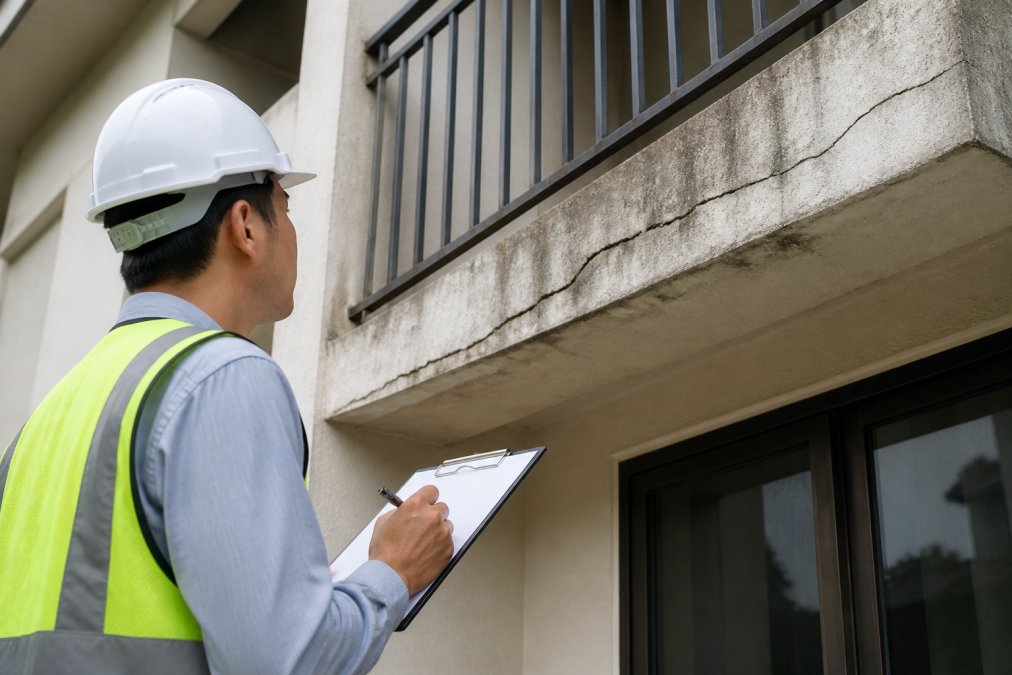
How to Streamline Maintenance Scheduling for Apartments
Learn how to streamline maintenance scheduling for apartments with proven workflows, templates, and software tips. Reduce emergency repairs and keep.
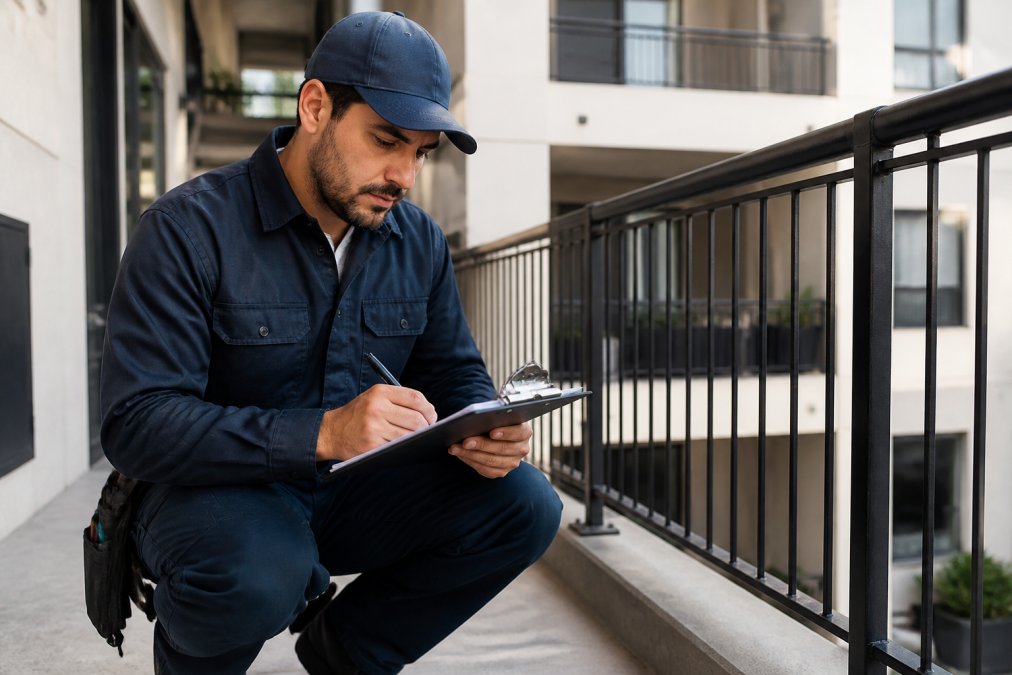
Table of Contents
- Why Apartment Maintenance Scheduling Breaks Down (and What It Costs You)
- Step 1: Build a Preventative Maintenance Checklist for Apartments
- Step 2: Standardize Maintenance Work Order Templates
- Step 3: Choose Apartment Maintenance Software Features That Actually Help
- Step 4: Automate Work Orders and Dispatch to Cut Response Times
- Step 5: Coordinate Unit Turnover Scheduling Without Bottlenecks
- Step 6: Track Maintenance KPIs and Prevent Technician Burnout
- Budgeting for Preventative Maintenance and Legal Liability Considerations
- Frequently Asked Questions
Last Updated: September 16, 2026
Why Apartment Maintenance Scheduling Breaks Down (and What It Costs You)
Learning how to streamline maintenance scheduling for apartments starts with admitting that most failures are organizational, not technical. Work orders get lost in text threads, routine inspections get postponed until they become emergency repairs, and nobody can say which unit was last serviced or when. The result is a maintenance backlog that grows quietly until a single failure forces an expensive, unplanned fix.
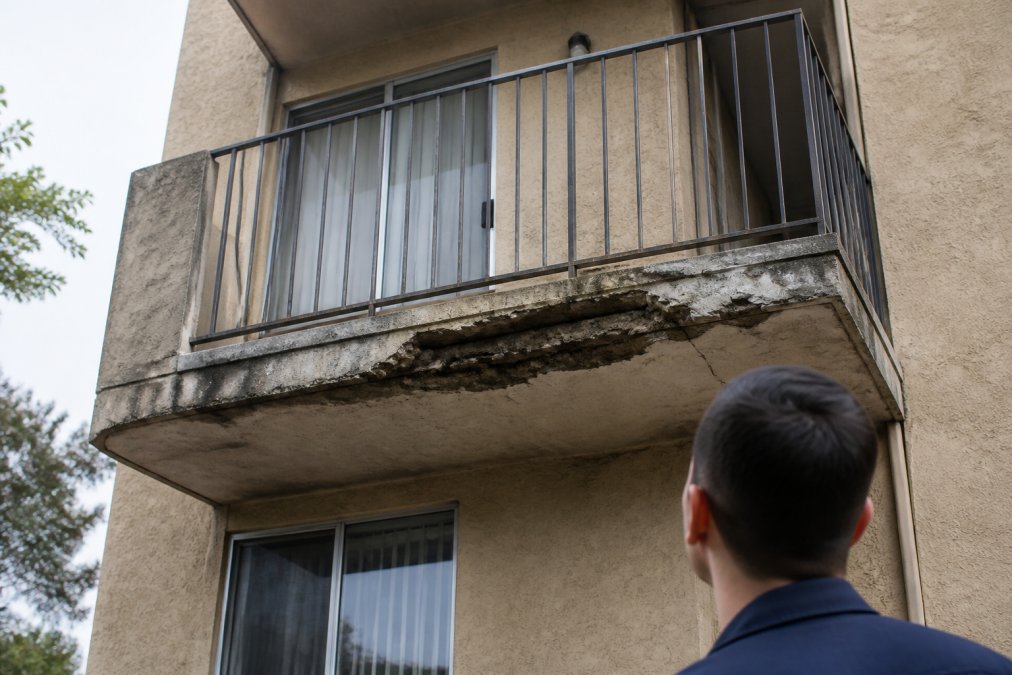
In many buildings, elevated exterior elements go uninspected for years. The fix is a system: a preventative maintenance plan, standardized work orders, and software that automates dispatching so nothing depends on memory. Below, we walk through six steps that property teams use to cut response times and control costs.
Step 1: Build a Preventative Maintenance Checklist for Apartments
A preventative maintenance checklist for apartments is a recurring list of inspections and repairs scheduled before equipment or structures fail, grouped by daily, quarterly, and annual frequency. It replaces reactive maintenance with planned work.
Start with what breaks most often: HVAC filters, plumbing fixtures, smoke detectors, and common-area lighting. Then layer in structural items that carry legal weight, such as balconies, decks, and stairways.
What Belongs on a Quarterly and Annual Checklist
Quarterly items cover wear-prone systems. Annual items cover structural and safety-critical elements, including a professional inspection of elevated exterior elements where required by state law. The California Department of Consumer Affairs balcony inspection guidance outlines what those inspections must cover for affected buildings. A preventative maintenance plan built this way keeps small repairs from becoming capital expenditure surprises.
Skipping structural items on your checklist is the most expensive shortcut in apartment maintenance. Deferred balcony and stairway inspections can turn a minor repair into a full replacement, and in some cases into a safety incident.
Step 2: Standardize Maintenance Work Order Templates
Maintenance work order templates are pre-built forms that capture the same fields every time: unit number, issue category, priority, assigned technician, parts needed, and completion notes. Standard templates eliminate the vague requests that stall dispatching.
A common mistake is letting requests arrive in whatever format the tenant prefers. A photo and a sentence in a group chat tells your technician almost nothing. A template forces the details you need to schedule the job correctly the first time.
| Work Order Field | Why It Matters | Example Entry |
|---|---|---|
| Unit and location | Routes the right technician | Unit 204, rear balcony |
| Issue category | Sets priority and skill match | Structural, water intrusion |
| Priority level | Drives scheduling order | Urgent, 24-hour response |
| Access notes | Prevents wasted trips | Tenant home after 5 PM |
| Repair history link | Shows repeat failures | Third leak this year |
Step 3: Choose Apartment Maintenance Software Features That Actually Help
Apartment maintenance software features fall into two groups: must-haves that run daily operations and nice-to-haves that add polish later. Buy for the first group and you avoid paying for tools your team never opens.
Must-Have vs. Nice-to-Have Features
Must-haves include a maintenance request portal for tenants, work order management, automated notifications, and repair history tied to each unit. These four cover the core maintenance workflow from request to close-out.
Nice-to-haves include predictive maintenance scoring, IoT sensor integration for smart home devices, and vendor performance dashboards. They add value once your basics are consistent. A computerized maintenance management system with a clean mobile interface beats a feature-heavy platform your technicians find confusing.
A Vendor-Neutral Evaluation Framework
Most software comparisons stop at a feature checklist. That checklist tells you what a platform can do, not whether your team will use it. Score each candidate against the workflow you actually run, not the workflow the sales demo shows.
| Evaluation Criterion | What to Test | Red Flag |
|---|---|---|
| Tenant request intake | Submit a test request as a resident on mobile | Portal requires app download or login to report a leak |
| Technician mobile flow | Close a work order on a phone in under 60 seconds | More than five taps to log parts and notes |
| Dispatch rule flexibility | Build a skill + location + priority rule | Rules limited to one variable per queue |
| Reporting export | Pull a backlog and first-visit-fix report to CSV | Reports locked behind an add-on tier |
| Data portability | Export full work order history on demand | Vendor owns your repair history |
| Integration surface | Confirm API or webhook access for accounting and access control | No documented API |
Pricing Models and What Drives Cost
Per-unit-per-month subscription pricing is the dominant model for apartment portfolios, with tiers usually gated by unit count, number of admin seats, and whether tenant-facing features are included. Implementation, data migration, and training are frequently billed separately from the subscription. Before you sign, ask three questions in writing: what happens to the per-unit rate at renewal, what the offboarding data-export process looks like, and whether after-hours support is included or metered.
What to Weigh Before You Buy
- Portfolio size. Small portfolios often get more value from a lightweight work order tool plus a shared calendar than from a full CMMS with modules they will never configure.
- In-house vs. outsourced techs. If most work goes to vendors, prioritize vendor scheduling and invoice matching over technician routing.
- Existing stack. A platform that does not talk to your accounting or access-control system creates a second place to update the same data.
- Migration cost. Moving years of paper and spreadsheet history is the hidden line item. Budget staff hours for it, not just the vendor fee.
Run a 30-day pilot with one property and two technicians before committing the portfolio. The features that matter in a demo rarely match the features your team touches on a Tuesday afternoon.
Step 4: Automate Work Orders and Dispatch to Cut Response Times
Automation routes each incoming request to the right technician based on skill, location, and current workload, then sends the tenant an automated notification with an arrival window. Manual dispatching cannot match that speed at scale.
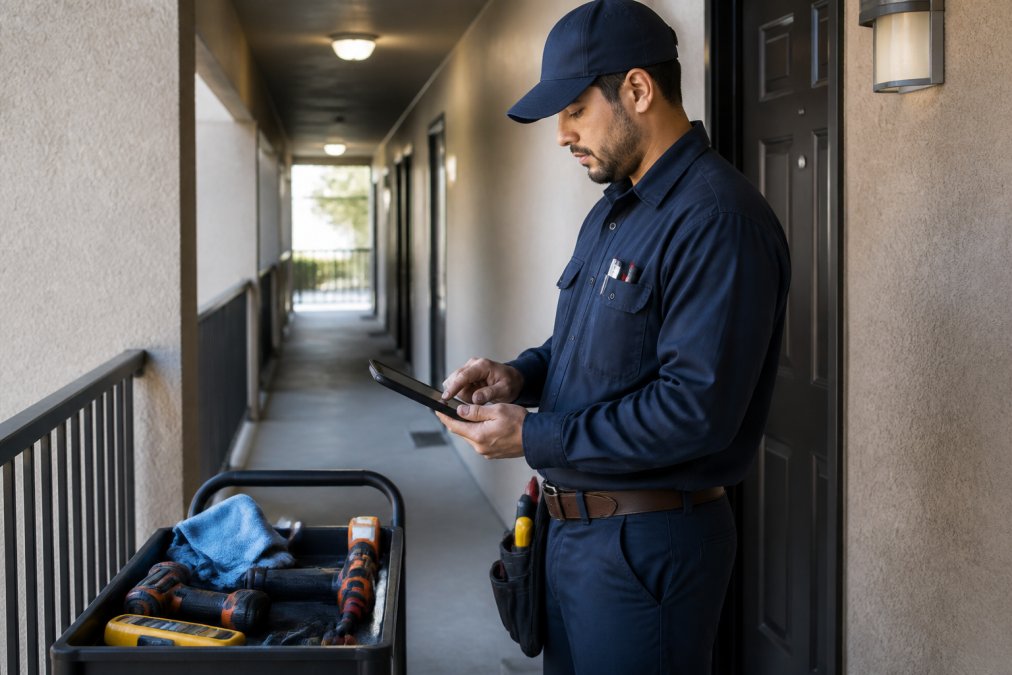
Set rules once and the system handles the routine: urgent plumbing goes to the on-call technician, routine turnover work queues for the next business day, and every status change triggers a tenant update. This is where maintenance automation removes the phone calls that eat a property manager’s morning.
Build a dispatch rule for after-hours emergencies only. If everything is urgent, nothing is, and your on-call technician burns out within a season.
Step 5: Coordinate Unit Turnover Scheduling Without Bottlenecks
Knowing how to streamline maintenance scheduling for apartments pays off in turnover, where every task runs best on a shared timeline rather than a chain of phone calls.
Step 6: Track Maintenance KPIs and Prevent Technician Burnout
Maintenance KPIs tell you whether the system works, and the most useful ones are simple: average response time, first-visit fix rate, backlog size, and preventative-versus-reactive work ratio.
Budgeting for Preventative Maintenance and Legal Liability Considerations
Budgeting for preventative maintenance means reserving a fixed share of operating funds for scheduled inspections and repairs each year, rather than absorbing unpredictable emergency costs.
A Simple Cost-Benefit Framework
- Current reactive spend. Total emergency repair invoices over the last 12 months, including after-hours premiums and overtime.
- Deferred work backlog. The dollar value of known repairs you have postponed. This is a liability, not a savings.
- Turnover cost per unit. Cleaning, paint, make-ready labor, and vacancy days between tenants.
- Administrative hours. Time property staff spend dispatching, chasing vendors, and reconciling invoices.
Documentation as Your Legal Defense
- Date of inspection and name of the inspector or firm
- Scope of what was inspected and the method used
- Findings, with photos or measurements where relevant
- Recommended repairs and the date they were scheduled
- Completion date and who signed off
A verbal inspection that was never written down is nearly impossible to defend. If your records live in a text thread or a technician’s memory, treat that as an open liability, not a filing gap.
A maintenance workflow that documents inspections, schedules preventative work, and tracks repairs protects residents, budgets, and the owner’s legal position at the same time.
Frequently Asked Questions
What are 5 items that regularly scheduled apartment maintenance will check?
A solid preventative maintenance checklist for apartments covers these five areas: HVAC filters and coils, plumbing fixtures and shutoff valves, electrical panels and outlets, exterior elements like balconies and stairways, and smoke and carbon monoxide detectors. Checking these on a quarterly or annual rotation catches small issues before they become emergency repairs. For buildings with elevated exterior elements, balcony and stairway inspections should follow the schedule set by your state or local requirements.
How do you prioritize apartment maintenance requests when everything feels urgent?
Use a three-tier system: emergency (no heat, flooding, gas smell, structural concerns), urgent (broken appliance, slow drain, non-working outlet), and routine (cosmetic repairs, minor leaks). Route emergencies to on-call technicians immediately, schedule urgent items within 24 to 48 hours, and batch routine work into weekly routes. Documenting priority levels in your maintenance work order templates keeps everyone aligned and prevents the loudest tenant from jumping the queue.
What apartment maintenance software features matter most for scheduling?
Prioritize automated work order creation, calendar-based scheduling with technician availability, mobile access for techs in the field, and automated notifications to tenants. Asset tracking and repair history features help you spot recurring problems before they escalate. Reporting dashboards that show maintenance KPIs like average response time and backlog size let you adjust staffing and budgets with real data instead of guesswork.
Can streamlining maintenance scheduling help reduce emergency repair costs?
Yes. When preventative maintenance runs on a fixed schedule, smaller problems get caught during routine visits rather than after hours. That means fewer weekend call-outs, less overtime, and fewer emergency vendor invoices. A documented preventative maintenance plan also extends the life of major systems like HVAC and plumbing, which pushes back capital expenditure on replacements. The savings compound over time, especially across a portfolio of buildings.